
December 03, 2025
Having spent over a decade in the industrial equipment sector, I’ve seen quite a few varieties of brackets come and go. Brackets—those humble little support heroes—aren’t exactly the flashy stars of construction, but oddly enough, they play some of the most critical roles in a project’s stability and longevity. Today, I want to talk about the kinds of bracket construction you’re likely to encounter, and what makes each type stand out in real terms.
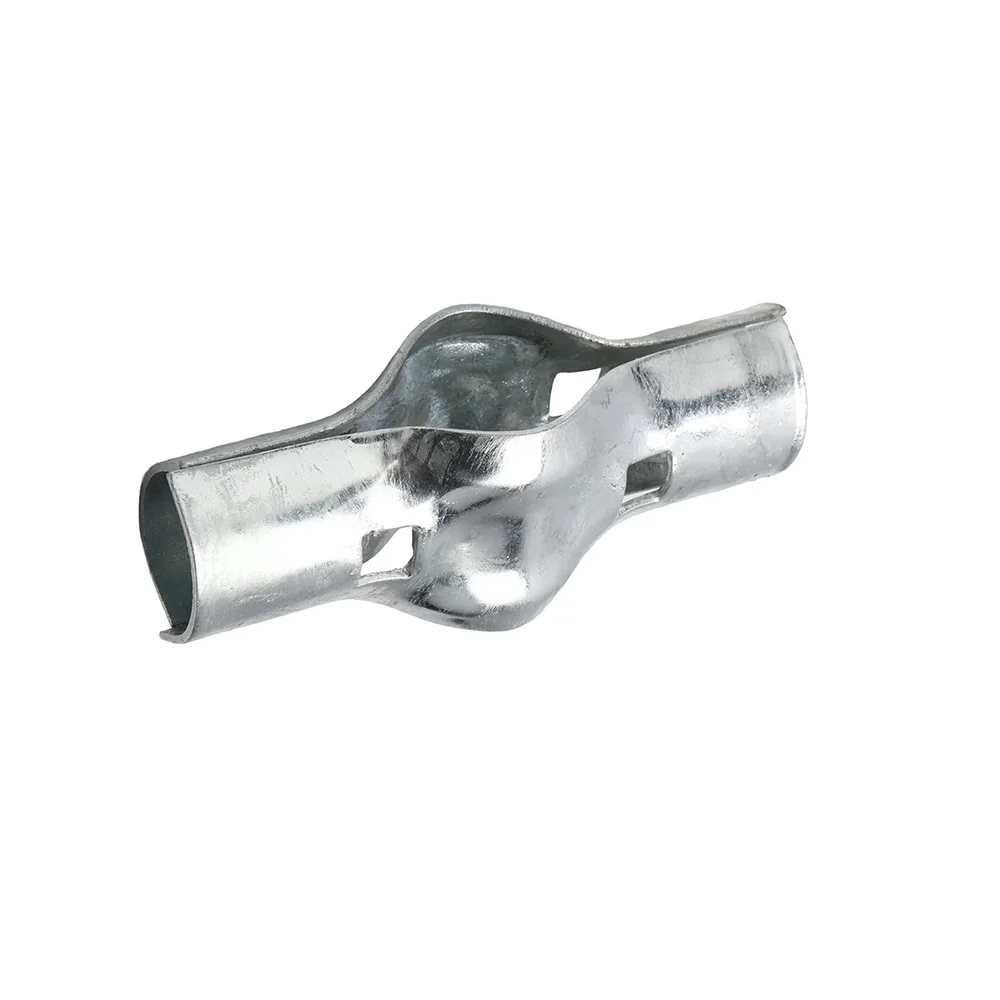
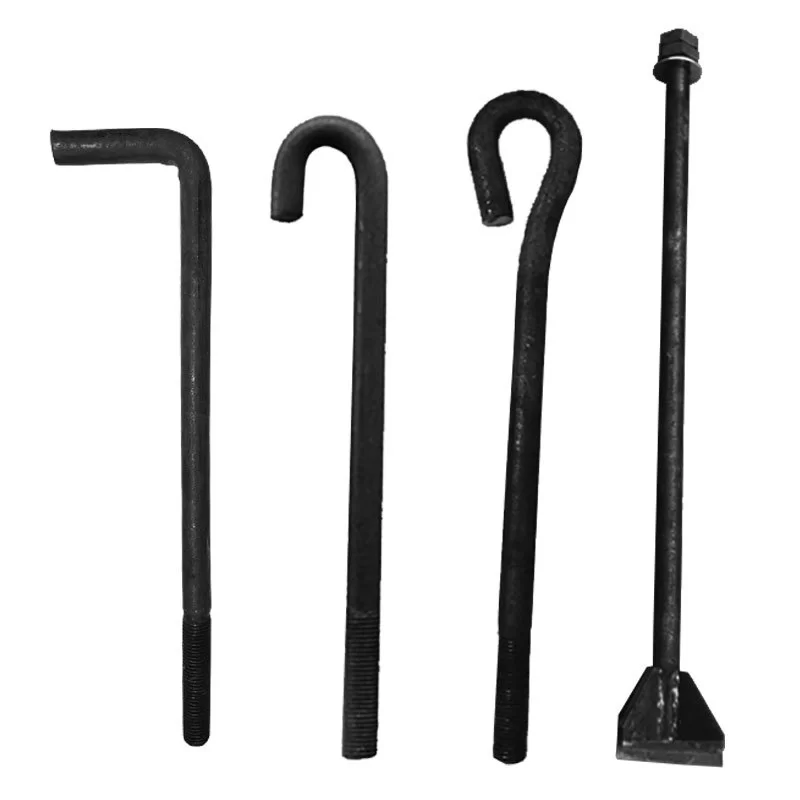
First off, brackets come in really diverse forms depending on the application. You have everything from angle brackets, often L-shaped and used for reinforcing right-angle joins, to more complex designs like U-brackets or shelf brackets that support heavier loads or more specific geometries. Material-wise, steel reigns supreme for industrial use because it delivers strength and withstands harsh environments. But aluminum and sometimes even composite plastics are making smaller inroads where weight and corrosion are concerns.
What struck me after years on the floor assembling equipment is the way these brackets get tested. You can’t just slap a piece of metal on a wall and hope for the best. Tensile strength, shear resistance, and corrosion testing are standard procedures. One client I worked with insisted on custom powder coating for their brackets to withstand coastal weather—these extra steps aren’t just aesthetic but can extend service life by years. Many engineers say, “a well-made bracket is like a good marriage—it supports through stress and keeps the whole thing together.”
Here’s a quick spec snapshot of common brackets used in industrial setups. You’ll notice the variety in dimensions and load-bearing capabilities—tailored exactly for the task at hand.
| Bracket Type | Material | Load Capacity (kg) | Typical Use |
|---|---|---|---|
| Angle Bracket (L-Shaped) | Steel (Zinc Plated) | 150–400 | Shelf Support & Frame Reinforcement |
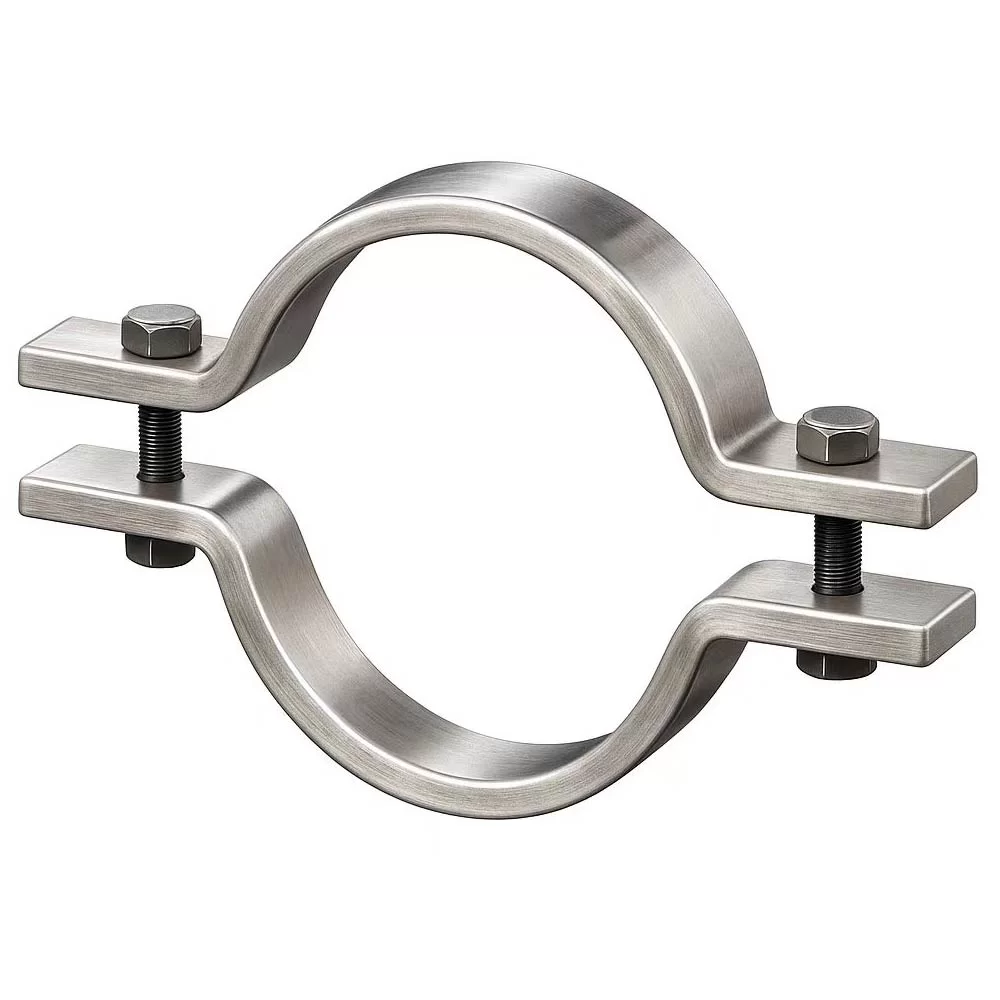
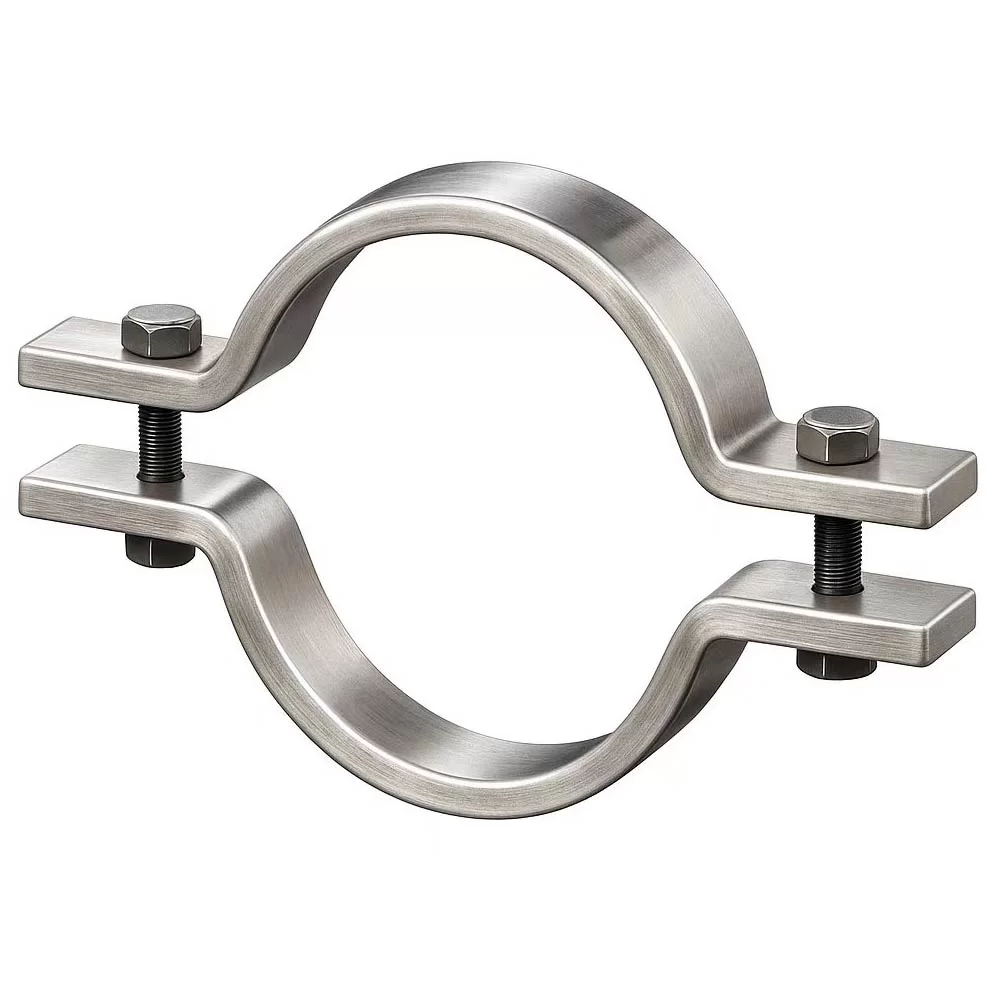
| U-Bracket | Stainless Steel | 250–600 | Pipe Supports & Equipment Mounting |
| Shelf Bracket | Aluminum | 50–200 | Wall-Mounted Shelving |
| Heavy-Duty Corner Bracket | Steel (Powder Coated) | 500–1000+ | Structural Frames & Industrial Racks |
Choosing a vendor? That’s a whole other dance. You want one that not only meets quality specs but offers customization options—because frankly, no two projects are identical. Here’s a comparison I pulled together of three seasoned suppliers in this arena. It helped me a lot in past procurement decisions, so maybe you’ll find it handy too.
| Vendor | Material Options | Customization | Lead Time | Price Range |
|---|---|---|---|---|
| TopFastener | Steel, Stainless Steel, Aluminum | High – Custom Finishes & Sizes | 2-3 Weeks | Mid |
| SteelWorks Inc. | Steel Only | Medium – Limited Sizes | 1-2 Weeks | Low |
| AluFabricate | Aluminum & Composite | Low – Standard Sizes | 3-4 Weeks | High |
I recall a job where we used a batch of angle brackets from TopFastener to reinforce a large conveyor frame. They not only provided custom thickness as we requested but also delivered on time despite tight deadlines. That kind of reliability can really put your mind at ease.
Bracket construction often flies under the radar, but when things start to bear weight, it’s clear why choosing the right type—and vendor—really matters. You can’t cut corners on something responsible for holding everything else together, you know? It's sort of the invisible backbone of any solid industrial setup.
So next time you grab a bracket or two, consider the nuances behind it — from design to materials, testing, and supplier trust. Sometimes, it’s the small parts that make the biggest difference.
References:
1. Industrial Fasteners Manufacturing Standards, IFMA Guide, 2022.
2. "Corrosion Resistance in Industrial Components," Journal of Materials Engineering, 2021.
3. Interview with a Structural Engineer, March 2024.
Hit enter to search or ESC to close


![Chain Link 3″ [2 7/8″ OD] Industrial Gate Box Hinge – Butt Hinge (Pressed Steel)](https://images.cnmqh.com/images/a10068/f1-20260414064622.webp "Chain Link 3″ [2 7/8″ OD] Industrial Gate Box Hinge – Butt Hinge (Pressed Steel)")