In the complex landscape of modern construction and industrial piping, the pipe joist hanger serves as a critical structural element that ensures the stability and safety of overhead utility systems. These specialized fasteners are designed to secure piping and conduits to joists or beams, preventing sagging and mitigating the risks associated with vibration or structural shifts in commercial and residential buildings.
Understanding the technical nuances of the pipe joist hanger is essential for engineers and contractors who aim to meet stringent building codes and safety standards. By optimizing the load distribution across the ceiling structure, these hangers not only protect the integrity of the pipes but also safeguard the architectural framework of the facility, making them indispensable in high-density urban developments.
Globally, the demand for high-performance fastening solutions has grown alongside the rise of sustainable infrastructure. Utilizing a precision-engineered pipe joist hanger allows for faster installation times and reduced material waste, aligning with the industry's shift toward lean construction and long-term durability in harsh environmental conditions.
Global Relevance of Pipe Joist Hanger Systems
The global infrastructure market is witnessing an unprecedented surge in complex MEP (Mechanical, Electrical, and Plumbing) installations. In this context, the pipe joist hanger has become a focal point for ensuring safety in skyscrapers and industrial plants. Following ISO standards for structural fasteners, these components must withstand varying thermal expansions and seismic loads, which is why standardized manufacturing has become a global priority.
Current industry data suggests that failure in secondary support systems often leads to significant downtime in manufacturing plants. By implementing high-grade pipe joist hanger solutions, companies can reduce maintenance costs by up to 20% over a ten-year cycle. The challenge remains in balancing the weight-bearing capacity with the ease of installation in tight ceiling voids.
Defining the Technical Scope of Pipe Joist Hangers
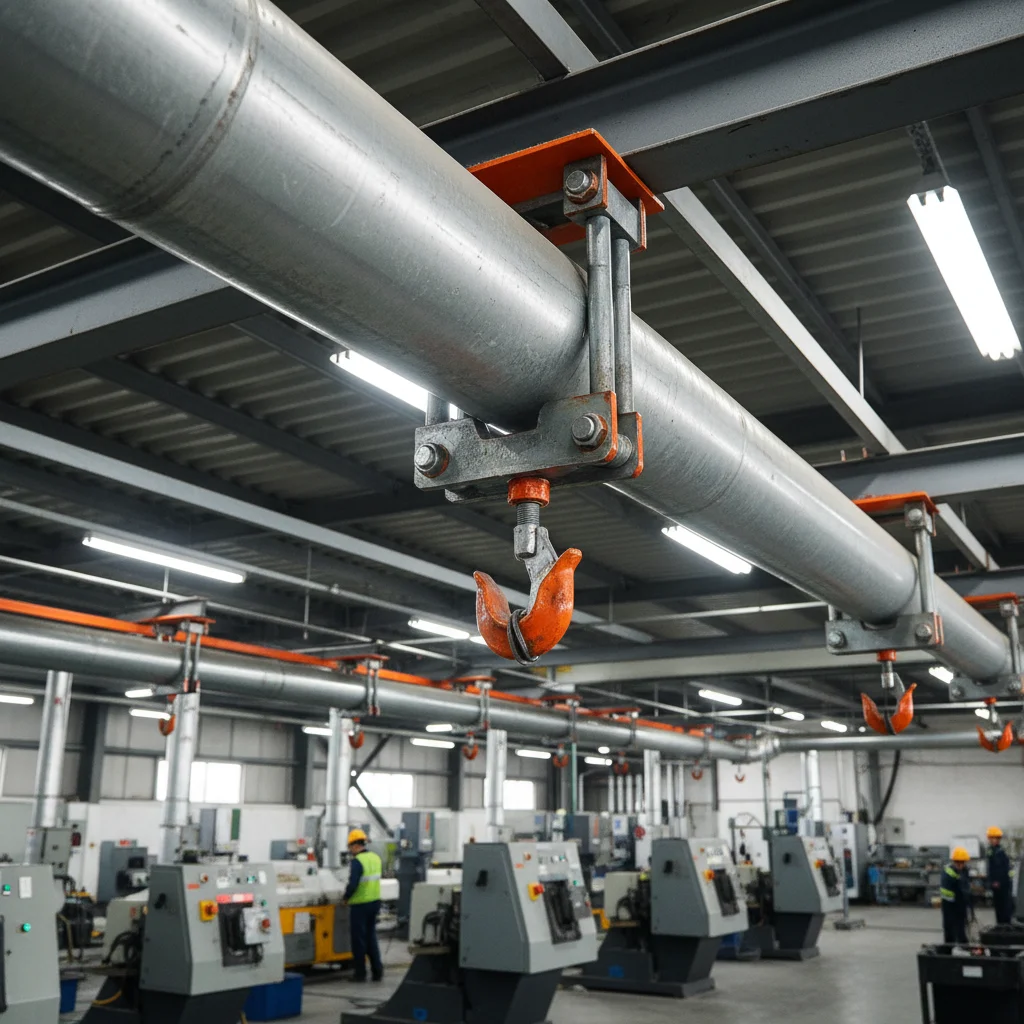
At its core, a pipe joist hanger is a specialized bracket designed to cradle a pipe and secure it firmly to a structural joist. Unlike generic clamps, these hangers are engineered to distribute the vertical load of the piping system evenly across the supporting beam, preventing localized stress points that could lead to structural fatigue or pipe deformation over time.
Beyond simple support, these fasteners play a vital role in modern humanitarian and urban needs, particularly in the rapid deployment of sanitation and water systems in developing regions. The ability to quickly and securely mount piping to existing wooden or steel joists allows for the efficient scaling of infrastructure in areas where traditional foundation-based piping is not feasible.
From a materials science perspective, the pipe joist hanger is typically crafted from galvanized steel, stainless steel, or reinforced polymers. This choice of material is critical to ensure that the hanger can resist corrosion in humid environments, such as basements or industrial kitchens, thereby maintaining the longevity of the entire installation.
Core Components for Structural Integrity
Durability is the foremost requirement for any pipe joist hanger. The use of hot-dip galvanization ensures that the fastener can withstand oxidative stress, which is particularly important in coastal regions where salt-laden air can accelerate the degradation of metal components. This ensures that the support system remains rigid for decades.
Load-bearing scalability is another critical factor. A professional pipe joist hanger must be rated for specific weight capacities, allowing engineers to select the appropriate gauge of steel based on the fluid density and the total length of the pipe run. This precision prevents catastrophic failures in high-pressure industrial environments.
Finally, cost efficiency is achieved through the synergy of design and installation speed. By utilizing standardized dimensions, the pipe joist hanger reduces the need for custom on-site fabrication, allowing labor crews to install hundreds of supports per day without compromising the safety or the alignment of the plumbing network.
Comparative Performance and Efficiency Metrics
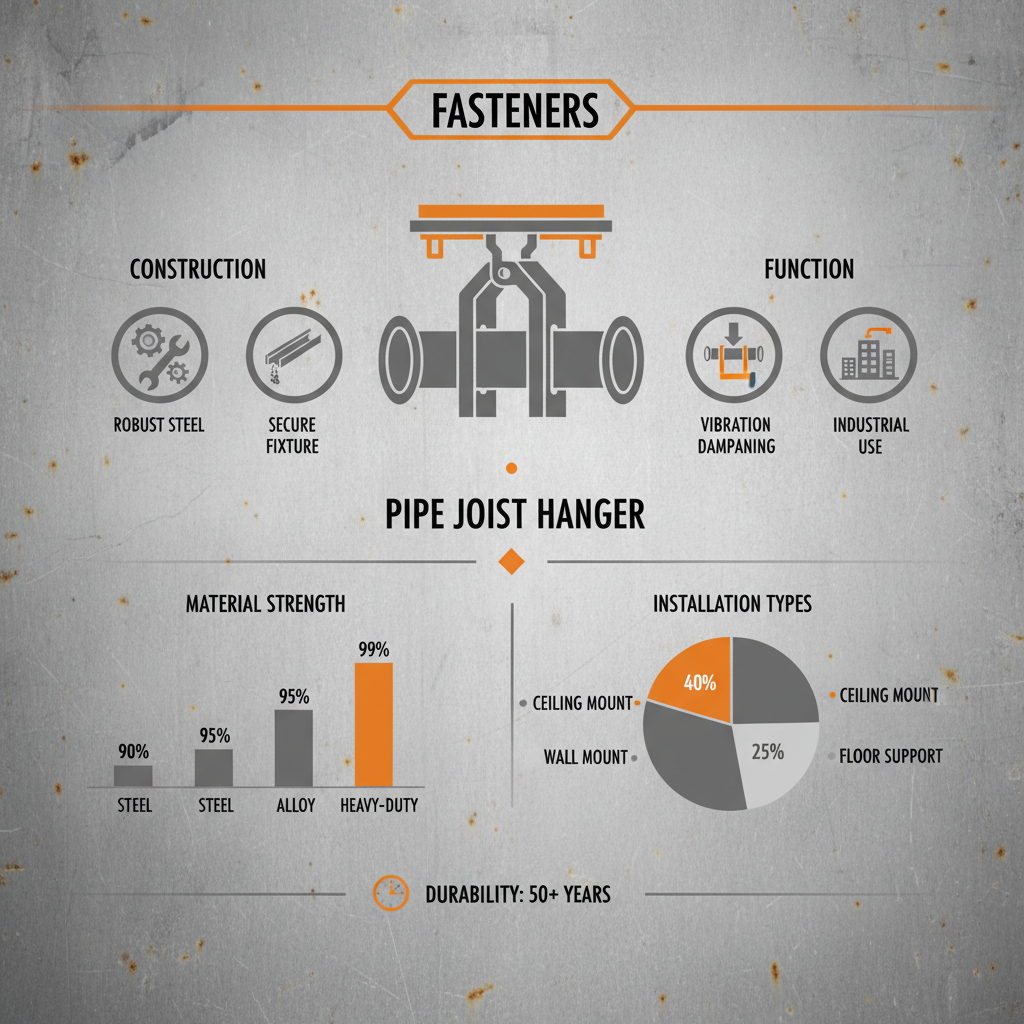
Evaluating the effectiveness of different support methods is essential for optimizing project budgets. When comparing various iterations of the pipe joist hanger, factors such as vibration dampening and installation torque play a significant role in the overall system rating.
The following data illustrates how different hanger configurations perform across key industrial metrics, highlighting the superiority of precision-engineered solutions over makeshift alternatives.
Performance Analysis of Pipe Joist Hanger Variants
Global Applications and Industry Use Cases
In large-scale industrial zones, the pipe joist hanger is widely deployed in chemical processing plants where pipes carry hazardous materials. In these environments, the hangers are often coated with acid-resistant materials to prevent corrosion, ensuring that the piping remains securely suspended even in the presence of corrosive vapors.
Furthermore, in post-disaster relief operations, modular housing often relies on the quick installation of temporary plumbing. The use of a lightweight yet sturdy pipe joist hanger allows NGOs and government agencies to establish clean water access rapidly by attaching lines to the existing modular frames of emergency shelters.
Long-Term Value and Sustainability Benefits
The long-term value of investing in a premium pipe joist hanger transcends simple cost-per-unit analysis. By reducing the frequency of replacement and minimizing the risk of pipe failure, these hangers contribute to the overall sustainability of the building. This reliability builds trust between the contractor and the property owner, ensuring a legacy of safety.
From an environmental perspective, the shift toward recyclable steel in the production of pipe joist hanger components helps reduce the carbon footprint of construction projects. When a building is decommissioned, these metal components can be recovered and melted down, supporting a circular economy within the metals industry.
Ultimately, the logical choice of high-grade support systems leads to an emotional sense of security. Knowing that the overhead utilities are held by a certified pipe joist hanger eliminates the anxiety of potential leaks or structural collapses, which is paramount in high-occupancy residential complexes.
Future Innovations in Fastening Technology
The future of the pipe joist hanger is being shaped by the integration of smart materials. We are seeing the emergence of "intelligent hangers" equipped with strain sensors that can alert facility managers via IoT networks when a pipe is under excessive stress or when a hanger begins to fatigue, allowing for predictive maintenance.
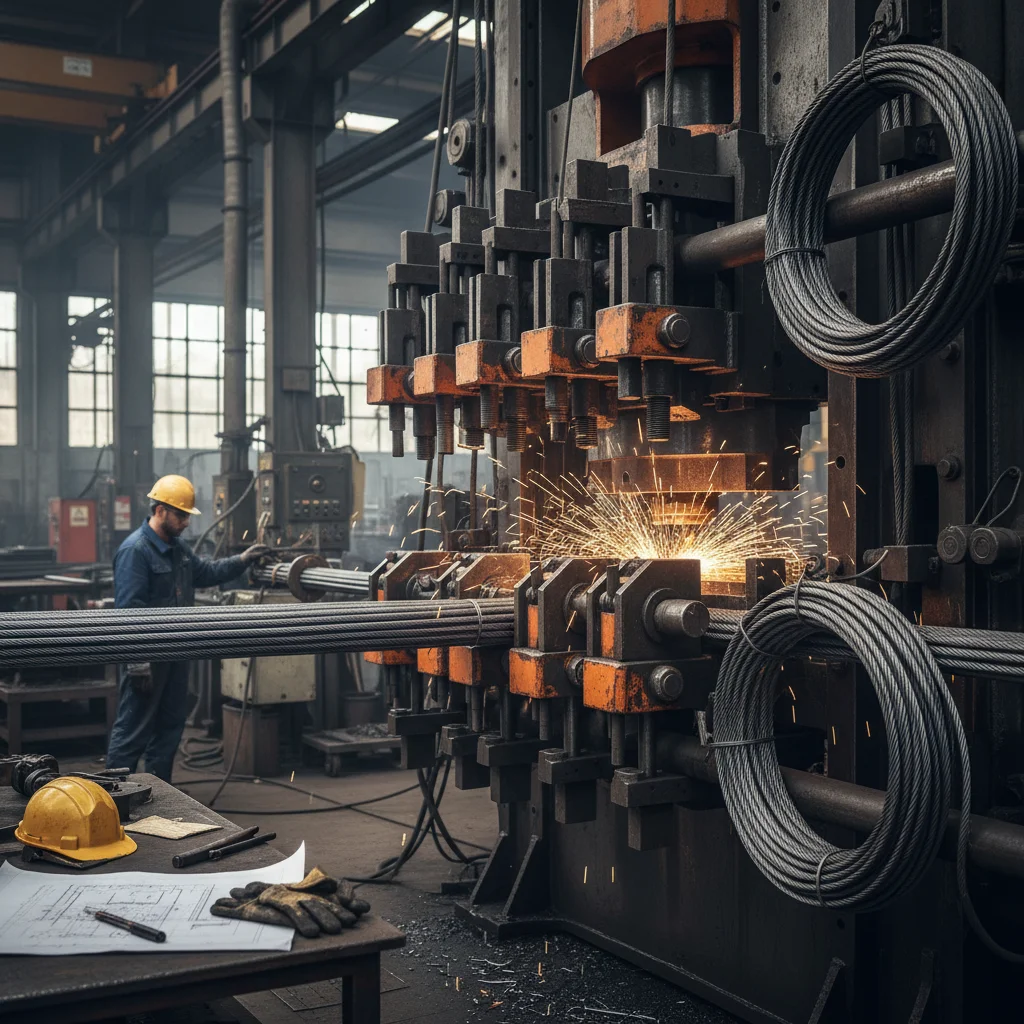
Automation is also transforming the manufacturing process. 3D printing of high-strength alloys allows for the creation of custom-shaped pipe joist hanger components that fit perfectly into non-standard architectural voids, eliminating the need for manual bending and welding on site.
As green energy becomes the standard, the demand for hangers that can support heavier, insulated piping for geothermal and solar thermal systems is increasing. The next generation of pipe joist hanger designs will focus on extreme thermal insulation and high-load capacities to support these eco-friendly technologies.
Comparative Analysis of Pipe Joist Hanger Materials and Performance
| Material Type |
Corrosion Resistance |
Load Capacity |
Installation Speed |
| Galvanized Steel |
Moderate (High) |
High |
Fast |
| Stainless Steel 304 |
Excellent |
Very High |
Moderate |
| Powder Coated Steel |
Good |
Moderate |
Fast |
| Reinforced Polymer |
Superior |
Low to Moderate |
Very Fast |
| Cast Iron |
Low |
Extreme |
Slow |
| Aluminum Alloy |
High |
Moderate |
Fast |
FAQS
A pipe joist hanger is specifically engineered to attach a pipe to a structural beam or joist, distributing the weight across the support member. A standard clamp is typically used to secure a pipe to another pipe or a flat wall surface. The joist hanger offers superior load distribution for overhead installations, making it the safer choice for ceiling-mounted plumbing.
Selection depends on the outer diameter of the pipe and the width of the joist. You must also calculate the total weight of the pipe including the fluid it carries. We recommend checking the load rating charts provided by the manufacturer to ensure the hanger can support the static and dynamic loads of your specific system.
Yes, provided you select the correct material. For high-humidity areas or outdoor use, we recommend stainless steel or hot-dip galvanized hangers. These materials provide a protective barrier against moisture and oxygen, preventing rust and ensuring the structural integrity of the support system over many years.
Most pipe joist hangers are designed for versatility. Depending on the fastening hardware used (such as wood screws for timber or self-tapping bolts for steel), the same hanger can often be used across different structural materials. Always verify the fastening method to ensure a secure grip on the joist.
In residential settings, an inspection every 5-10 years is usually sufficient. However, in industrial environments with high vibration or corrosive chemicals, quarterly or bi-annual inspections are recommended. Look for signs of oxidation, bending, or loosening of the fasteners to prevent potential failure.
Standard metal hangers provide stability, but for noise reduction, we recommend using hangers with integrated rubber inserts or polymer coatings. These materials act as dampers, absorbing the vibrations from fluid movement (water hammer) and preventing the sound from transferring into the building's structure.
Conclusion
The pipe joist hanger is far more than a simple piece of hardware; it is a fundamental component of structural safety and engineering efficiency. From its ability to distribute heavy loads across building frames to its role in enabling rapid infrastructure deployment globally, the precision and material quality of these hangers directly impact the longevity and reliability of MEP systems.
As the industry moves toward smarter, more sustainable construction, the evolution of the pipe joist hanger will continue to incorporate advanced materials and IoT capabilities. We encourage engineers and contractors to prioritize certified, high-performance fastening solutions to ensure the utmost safety and efficiency in their projects. Visit our website for professional solutions: www.topfastener.com