
March 26, 2026
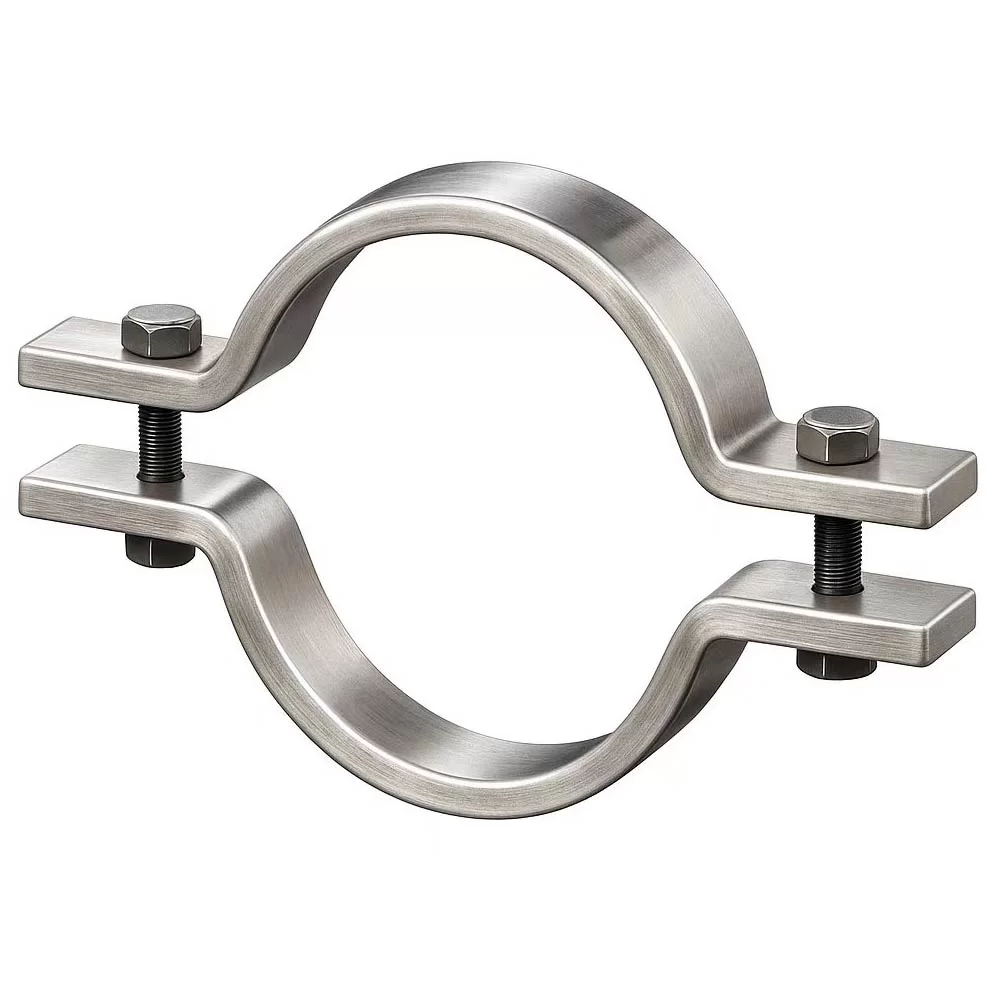
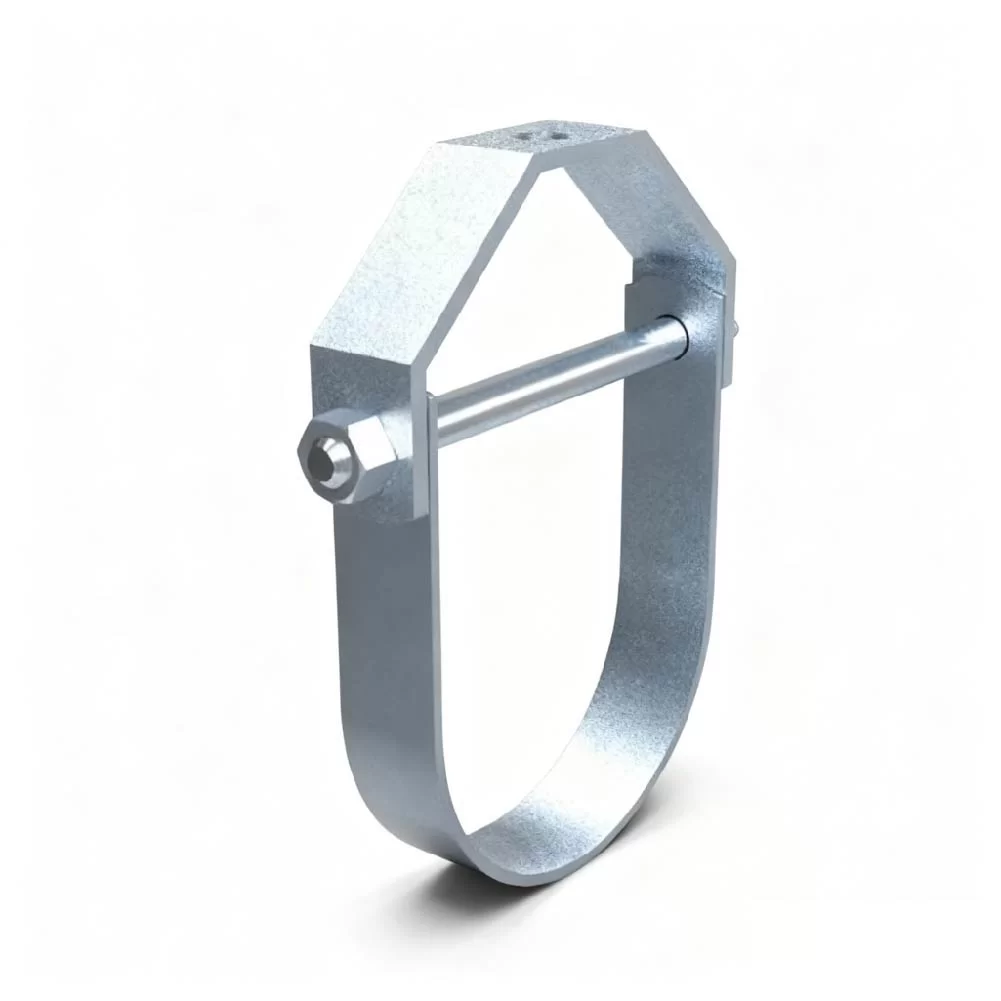
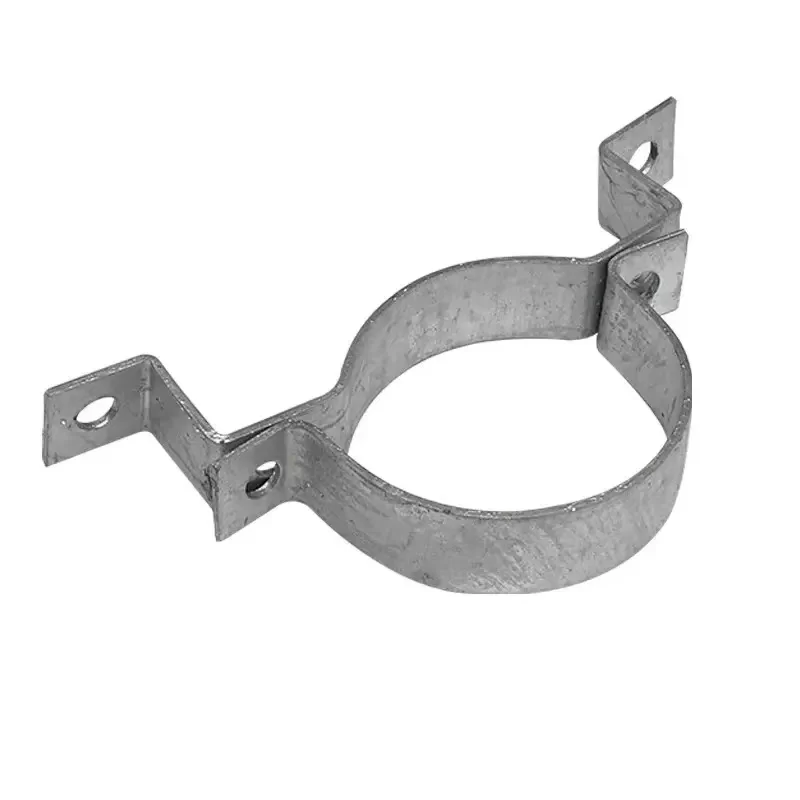
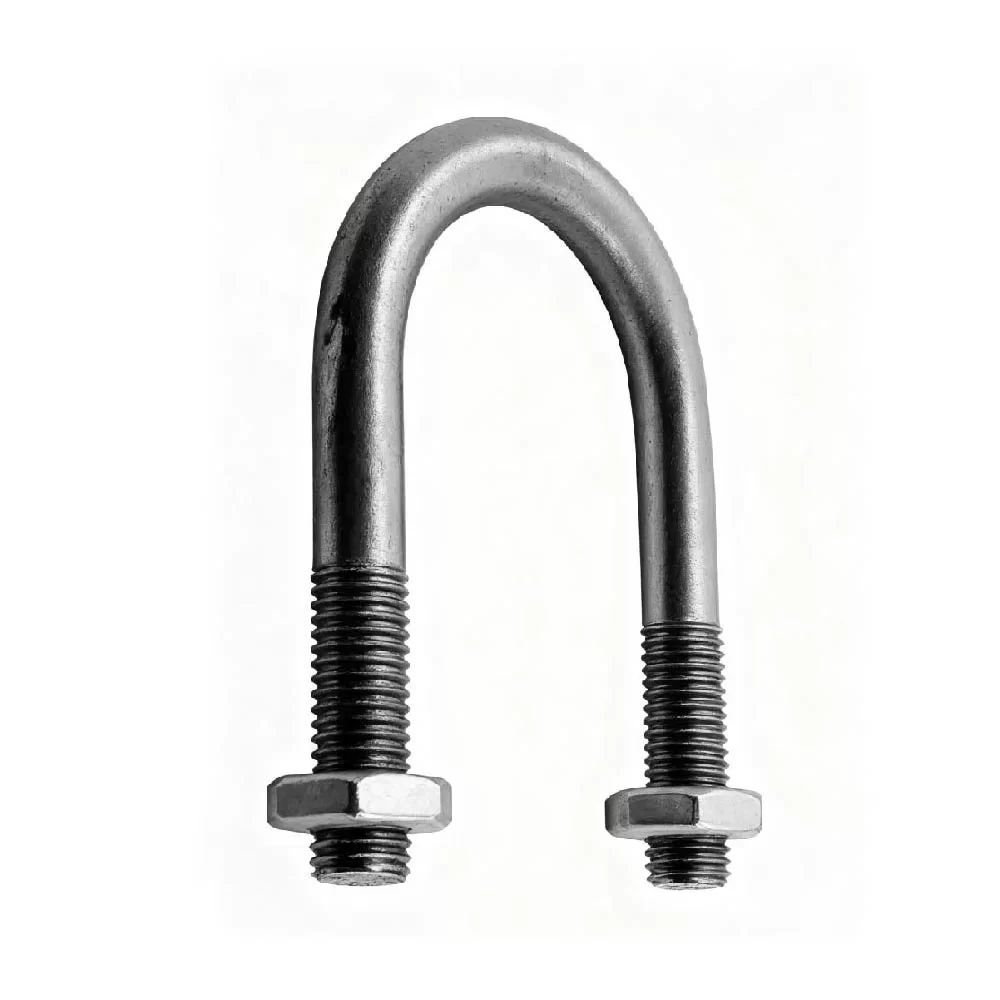
When designing and installing plumbing systems, the proper selection of cast iron pipe hangers and their corresponding rod size is crucial for long-term reliability and safety. Incorrect sizing can lead to insufficient support, excessive stress on the piping, and potential system failures. This article provides a comprehensive guide to understanding cast iron pipe hanger rod sizes, considering factors like pipe diameter, weight, and spacing. Choosing the correct rod size and hanger system is a fundamental aspect of ensuring a secure and durable plumbing installation.
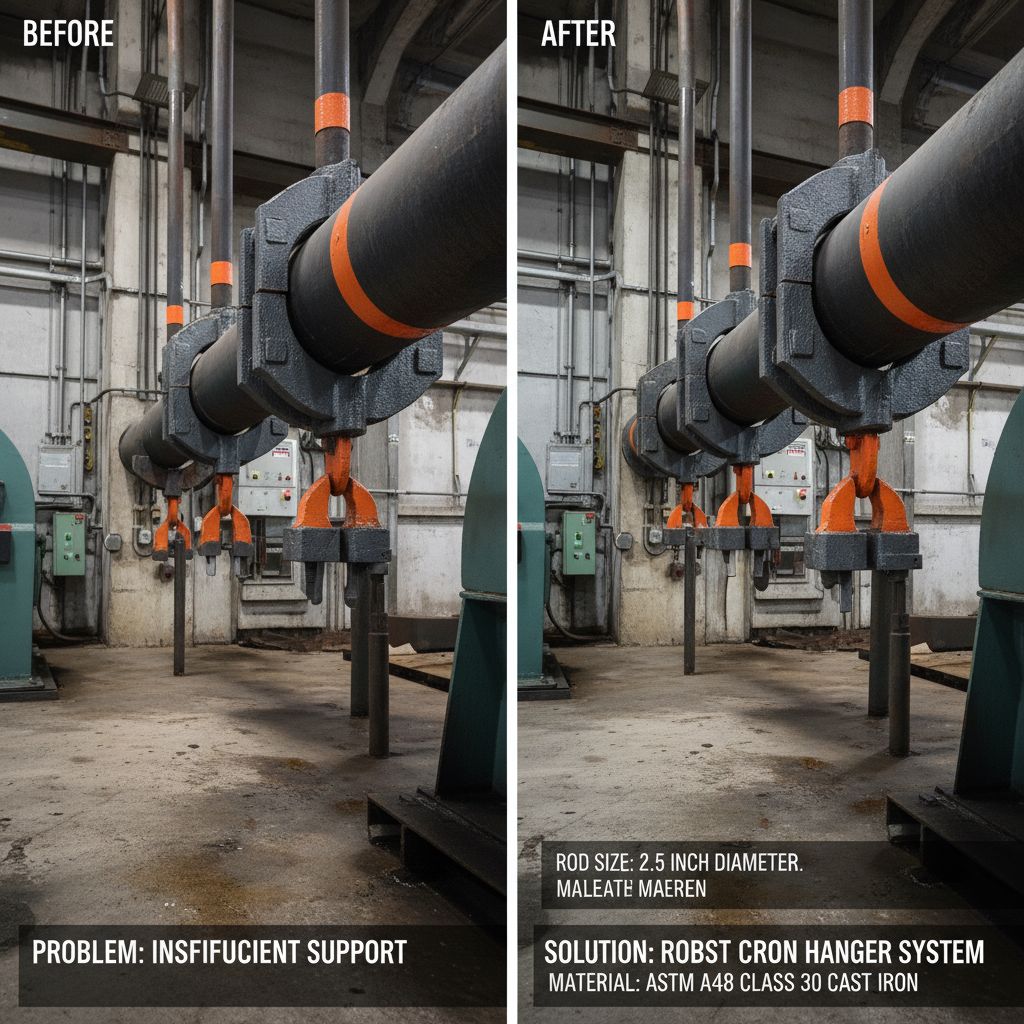
Several key factors determine the appropriate rod size for cast iron pipe hangers. These include the pipe's diameter and weight, the type of cast iron (weight per foot), the pipe’s content and the spacing between hangers. Larger diameter pipes and heavier cast iron materials naturally require more robust support. The spacing between hangers is also critical; closer spacing reduces the load on each hanger but increases the overall number required. Furthermore, consider the environment: systems exposed to vibrations or seismic activity require more conservative hanger design and stronger rod sizes. Properly accounting for these factors ensures a safe and reliable plumbing system. Top Fastener provides a wide range of hanger and rod solutions for various applications.
Key Considerations: Pipe diameter, pipe weight, hanger spacing, environmental factors (vibration, seismic activity), and the type of cast iron used.
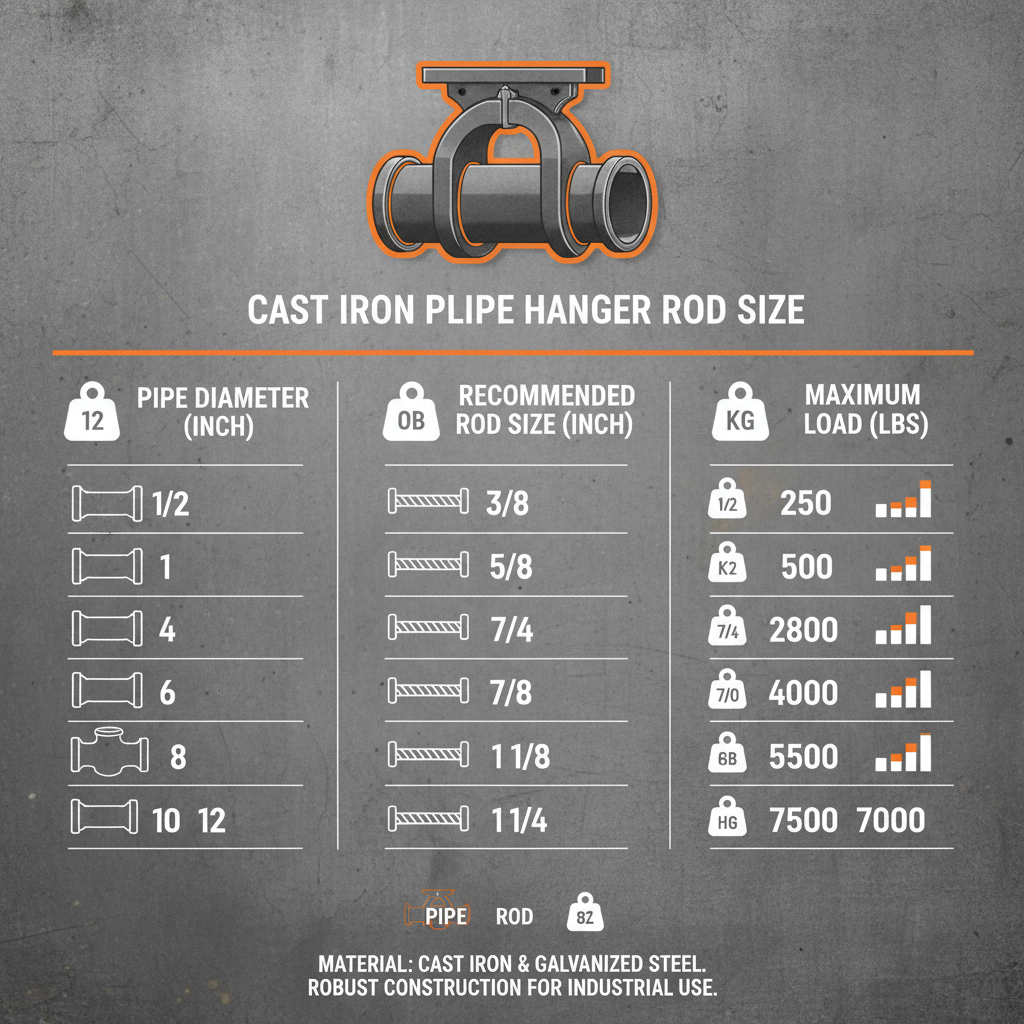
Common rod sizes used with cast iron pipe hangers range from 1/2" to 1" in diameter. The specific size depends on the factors discussed earlier. For smaller diameter pipes (2" - 4") with relatively close hanger spacing, a 1/2" diameter rod may suffice. However, larger diameter pipes (6" and above) or systems with wider hanger spacing will typically require a 3/4" or 1" diameter rod to provide adequate support. Always consult engineering specifications and local building codes for precise requirements.
Rod Size Guide:
• 1/2" Rod: Typically for 2" - 4" pipes, close hanger spacing.
• 3/4" Rod: Commonly used for 4" - 6" pipes, moderate hanger spacing.
• 1" Rod: Required for 6" and larger pipes, or wider hanger spacing.
The material of the hanger rod is also critical. Typically, rods are made of carbon steel, and it's important to verify the tensile strength of the chosen rod. Higher tensile strength rods can support greater loads. Galvanized steel rods are commonly used for corrosion resistance. It’s important to ensure the rod material is compatible with the surrounding environment to prevent corrosion or degradation. Top Fastener provides a variety of materials and coatings to match your project requirements.
Accurate calculation of hanger spacing is vital. A general rule of thumb is to space hangers no more than 10 pipe diameters apart. However, this should be adjusted based on the pipe's weight and the anticipated loads. Engineering calculations are recommended for complex systems or situations with high seismic risk. Software tools and online calculators can assist in these calculations, or you can consult with a qualified plumbing engineer. Ensuring correct spacing and rod size minimizes stress on the piping and prevents sagging or failure.
Selecting the correct cast iron pipe hanger rod size is essential for the long-term integrity and safety of any plumbing system. By carefully considering pipe diameter, weight, hanger spacing, and environmental factors, you can ensure adequate support and prevent costly failures. Top Fastener offers a comprehensive selection of high-quality hangers and rods to meet your specific needs. Don’t compromise on safety—choose the right support for your pipes.
Generally, the maximum hanger spacing for cast iron pipes should not exceed 10 pipe diameters. However, this is a guideline. Heavier pipes, pipes carrying fluid at higher temperatures, or systems subject to vibration require closer spacing. Consult local plumbing codes and engineering specifications for precise requirements. Proper hanger spacing is crucial to prevent sagging and stress on the piping system. Factors like the type of joint used and the overall system design can also influence optimal spacing.
Yes, you can use different rod sizes within the same system, but it must be based on a careful engineering assessment. Sections of the pipe system that experience higher loads, larger pipe diameters, or wider hanger spacing will require larger diameter rods. It’s crucial to ensure that all components of the hanger system are compatible and can handle the anticipated loads. A consistent approach based on thorough calculations is essential.
When inspecting cast iron pipe hangers, look for signs of corrosion, damage to the rod or hanger body, loose connections, and excessive pipe sag. Check if the hangers are properly anchored to the building structure. Ensure that the hangers are adequately supporting the pipe and there is no excessive strain on the rods. Regular inspections are crucial for identifying potential issues before they lead to system failures.
Consult with a qualified plumbing engineer, review local plumbing codes and regulations, and refer to industry standards such as those published by the American Society of Plumbing Engineers (ASPE). Top Fastener’s website provides detailed product information, technical specifications, and support resources to help you select the right hanger system for your application.
Hit enter to search or ESC to close