
December 08, 2025
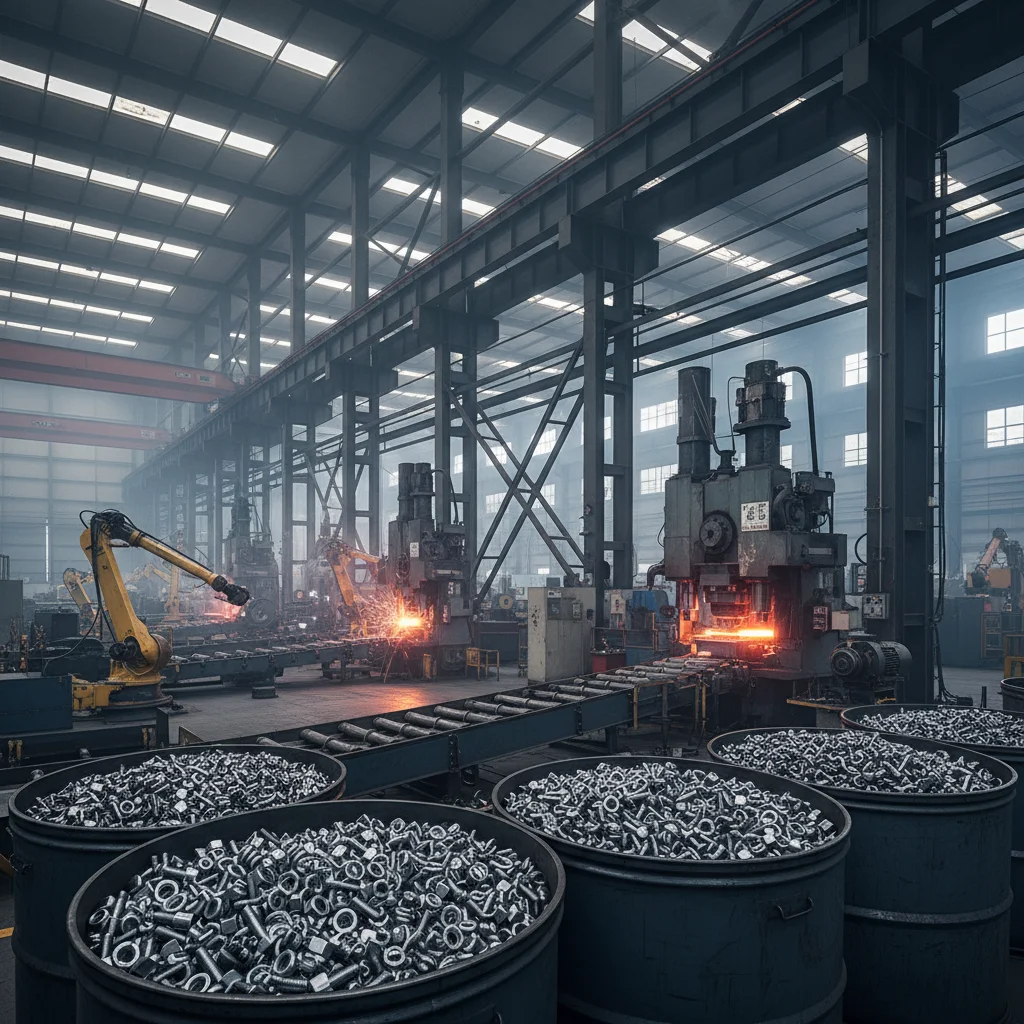
Fastener design might sound niche, but honestly, it’s one of those unseen heroes of global industry and infrastructure. From the tiny screws holding together your smartphone to massive bolts securing wind turbines, effective fastener design ensures safety, efficiency, and innovation. Around the world, industries rely on the right combination of strength, durability, and adaptability in these components — making mastery of fastener design critical for progress.
Nearly 80% of all manufactured products, according to ISO reports, include some form of fastener — a testament to their ubiquitous role. The World Bank estimates that improving infrastructure reliability by 20% could boost economic growth substantially, and often, that comes down to details like fasteners. Yet, challenges remain. Rapid urbanization, climate change, and manufacturing shifts pressure engineers to innovate faster and greener fastener solutions.
Frankly, it’s a field where incremental improvements ripple across industries and borders — from automotive factories in Germany to construction sites in Southeast Asia.
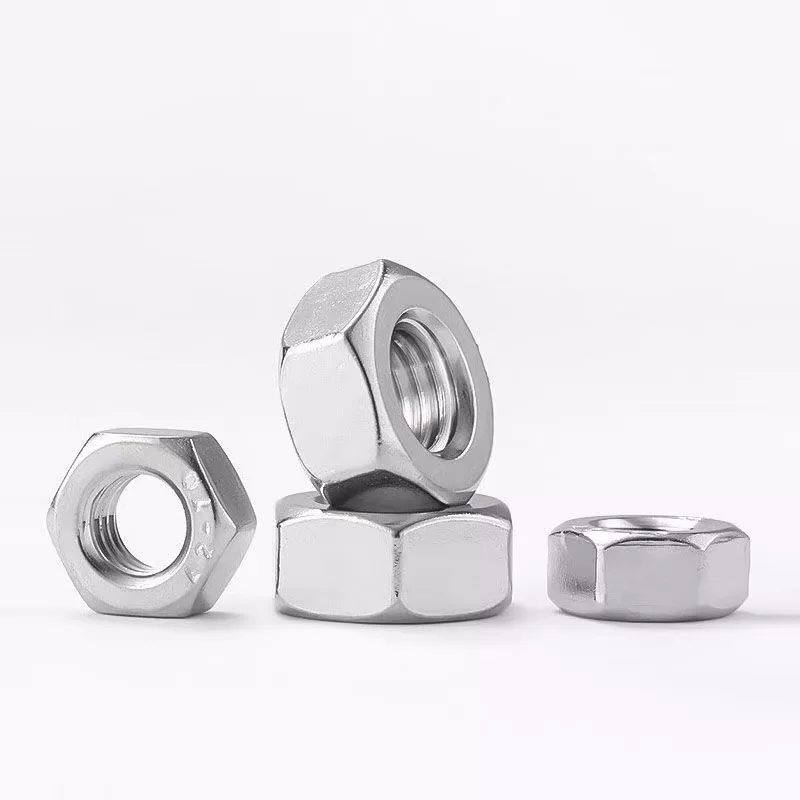
Simply put, fastener design is the art and science of creating components (think screws, bolts, rivets, and clips) to join parts securely. But it’s far from trivial. Good design balances mechanical strength, corrosion resistance, ease of installation, and cost. More broadly, it’s a vital enabler in sectors as diverse as aerospace, automotive, energy, and even humanitarian aid — securing temporary shelters or medical equipment swiftly with reliable joins.
Perhaps the first thing you think about with a fastener — it has to last. Fasteners face wear, corrosion, extreme temperatures, and stresses. Materials like stainless steel, titanium, or high-grade alloys are chosen carefully. For example, marine construction might require zinc-coated or specially alloyed fasteners to survive salt spray without rust.
How easily can design be adapted? This matters hugely for industries moving from prototype to mass production. Modular fastener designs favor scalability, allowing manufacturers to tweak sizes and types without starting over. Oddly enough, scalability also ties into maintenance since universal fasteners simplify repairs in remote locations.
Balancing budget and performance is the eternal design puzzle. High-tech materials mean higher upfront prices but often reduce lifecycle costs through longer service and less downtime. It’s why some sectors, like aerospace, invest heavily in advanced fastener designs, while others opt for economical solutions.
Fastener design isn't just about strength or cost; it’s also about usability. Quick assembly saves labor hours, cuts errors, and improves safety. Some modern designs feature self-locking mechanisms or require fewer tools, vital for fast-paced production lines or field deployments.
Green manufacturing pushes fastener design into new territory, emphasizing recyclability and reduced environmental impact. Biodegradable coatings or development of fasteners from recycled metals are gaining traction, aligning with global sustainability targets (ISO 14001).
| Specification | Metric | Imperial |
|---|---|---|
| Material | Grade A4 Stainless Steel | 304 Stainless Steel Equivalent |
| Thread Size | M8 | 5/16"-18 |
| Tensile Strength | 800 MPa | 116,000 PSI |
| Coating | None (Corrosion-resistant alloy) | N/A |
| Recommended Torque | 25 Nm | 18 ft-lbs |
Fastener design matters everywhere — but a few examples bring it home. In post-disaster relief efforts, NGOs rely on specially designed fasteners for rapid-assembly shelters that must be both secure and reusable. Across Europe, the automotive industry demands fasteners that withstand vibration and temperature without loosening, affecting safety and emission controls. Renewable energy sectors in the U.S. and China increasingly deploy fasteners designed for corrosion resistance against harsh outdoor conditions on solar panels and wind turbines.
Oddly enough, even remote industrial zones like mining operations in Australia need fasteners designed to endure dust, shocks, and quick replacements amidst harsh conditions. You can see how tailored fastener design influences a variety of fields.
| Vendor | Material Range | Custom Design Support | Sustainability Certifications | Global Shipping |
|---|---|---|---|---|
| FastenPro | Steel, Titanium, Alloys | Yes | ISO 14001 | Yes (80+ countries) |
| BoltWorks | Steel, Stainless Steel | Limited | None currently | North America & Europe |
| EcoFasteners | Recycled Metals, Biodegradable Coatings | Yes | ISO 14001, LEED | Worldwide |
Getting fastener design right translates to more than just mechanical stability; it’s about trust and safety. Well-designed fasteners reduce maintenance costs, prevent failures that could cause injuries or delays, and enable sustainable manufacturing practices. Emotionally, it builds confidence in products that people use every day, whether it’s their car, home, or medical devices. You could say it combines engineering precision with social responsibility.
Looking ahead, fastener design is embracing smart materials and digital tools. Imagine fasteners embedded with sensors that monitor stress or corrosion in real time, enhancing predictive maintenance. Additive manufacturing (3D printing) is enabling rapid prototyping of customized fasteners, optimizing strength and reducing waste. Environmentally, the shift toward bio-based materials and circular economy principles is accelerating. And automation in assembly lines increasingly demands fasteners that are compatible with robotic tools for flawless, fast deployment.
Despite advances, some issues persist. Corrosion remains a top enemy, especially in harsh environments. Designers must balance cost against performance — substituting cheaper metals usually sacrifices longevity. Standardization across regions can be patchy, complicating global projects. However, advances in coating techniques, material science, and predictive simulation software help address these gaps. Collaborations between vendors, engineers, and end-users foster solutions tailored for specific challenges.
Fastener design is a deceptively complex, yet vital discipline that underpins the reliability and safety of countless applications worldwide. Embracing smart design leads to stronger, more sustainable, and cost-effective solutions that serve both industry and humanity. If you’re eager to explore more or optimize your projects, visit our website at https://www.topfastener.com for expert insights and quality fastener solutions.
Mini takeaway: Behind every durable bridge, vehicle, or high-tech device lies thoughtful fastener design — a true unsung hero.
References:
1. ISO Standards on Fasteners – iso.org
2. World Bank Infrastructure Data – worldbank.org
3. Sustainable Manufacturing – unep.org
Hit enter to search or ESC to close


![Chain Link 3″ [2 7/8″ OD] Industrial Gate Box Hinge – Butt Hinge (Pressed Steel)](https://images.cnmqh.com/images/a10068/f1-20260414064622.webp "Chain Link 3″ [2 7/8″ OD] Industrial Gate Box Hinge – Butt Hinge (Pressed Steel)")