
February 03, 2026
Ensuring the integrity of your piping systems is crucial for safety and efficiency. A key component often overlooked is the pipe hanger. These supports bear the weight of pipes and fittings, absorb vibrations, and accommodate thermal expansion and contraction. Selecting the right type of pipe hanger is essential for a long-lasting and reliable system. This article will explore the various types of pipe hangers available, their applications, and key considerations for choosing the most appropriate solution for your needs. Proper support minimizes stress on the piping and connected equipment, preventing costly failures and downtime.
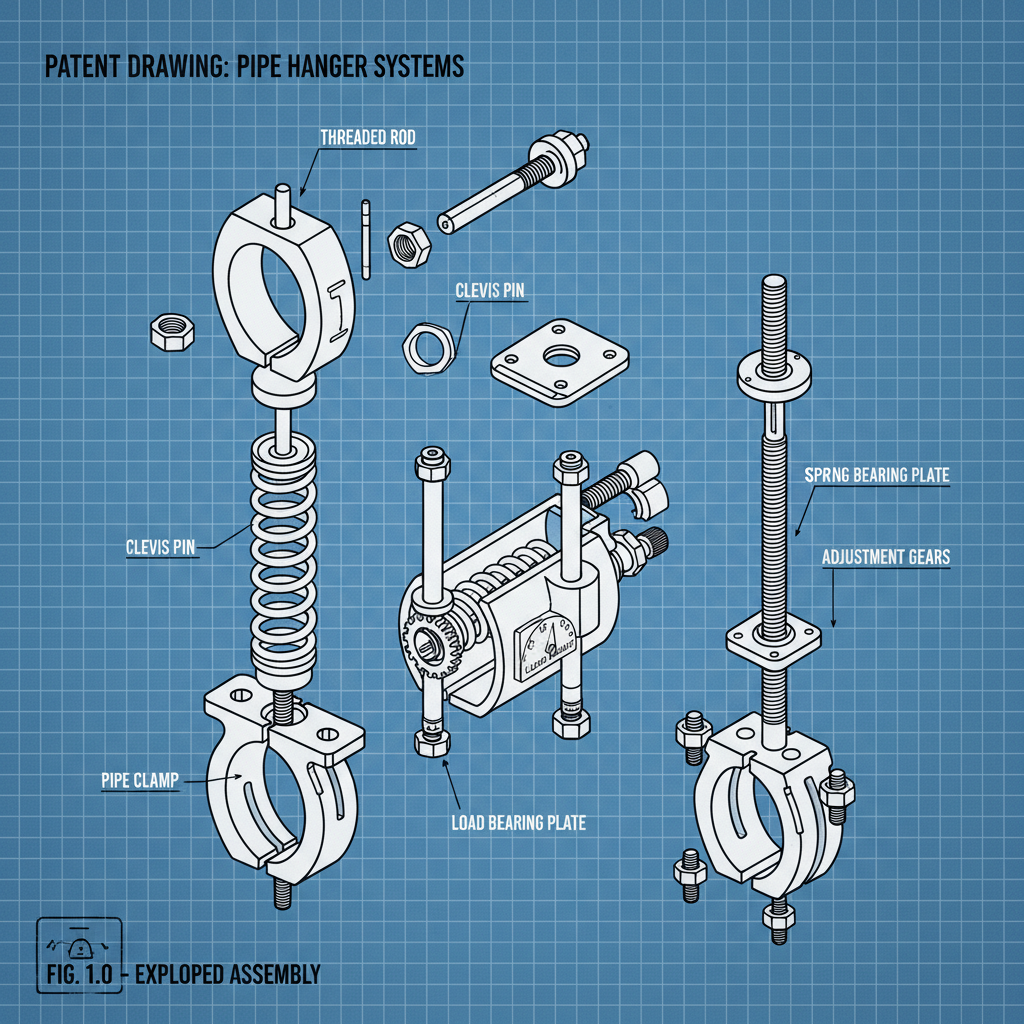
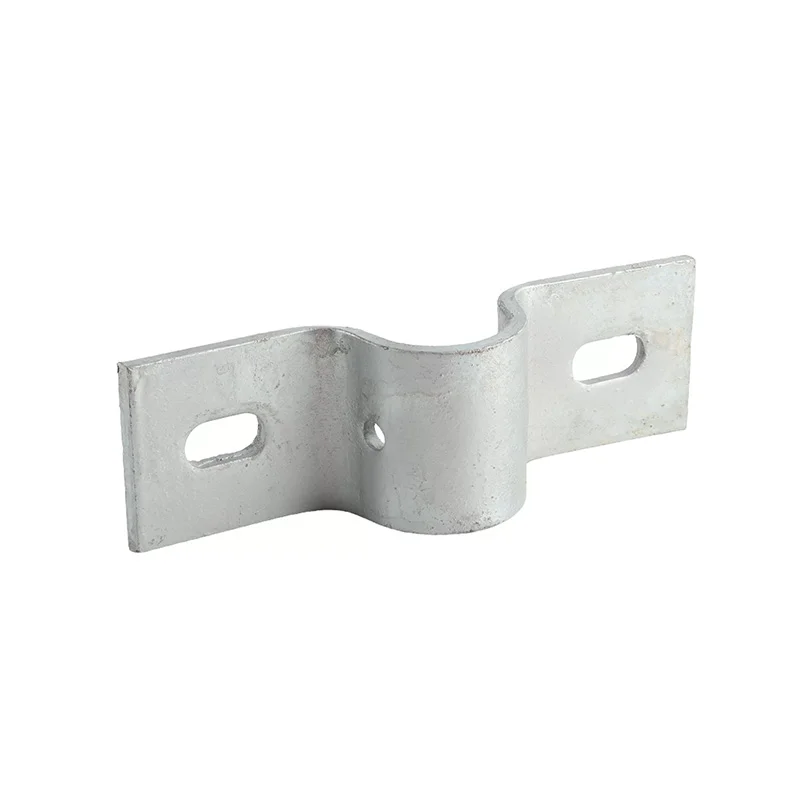
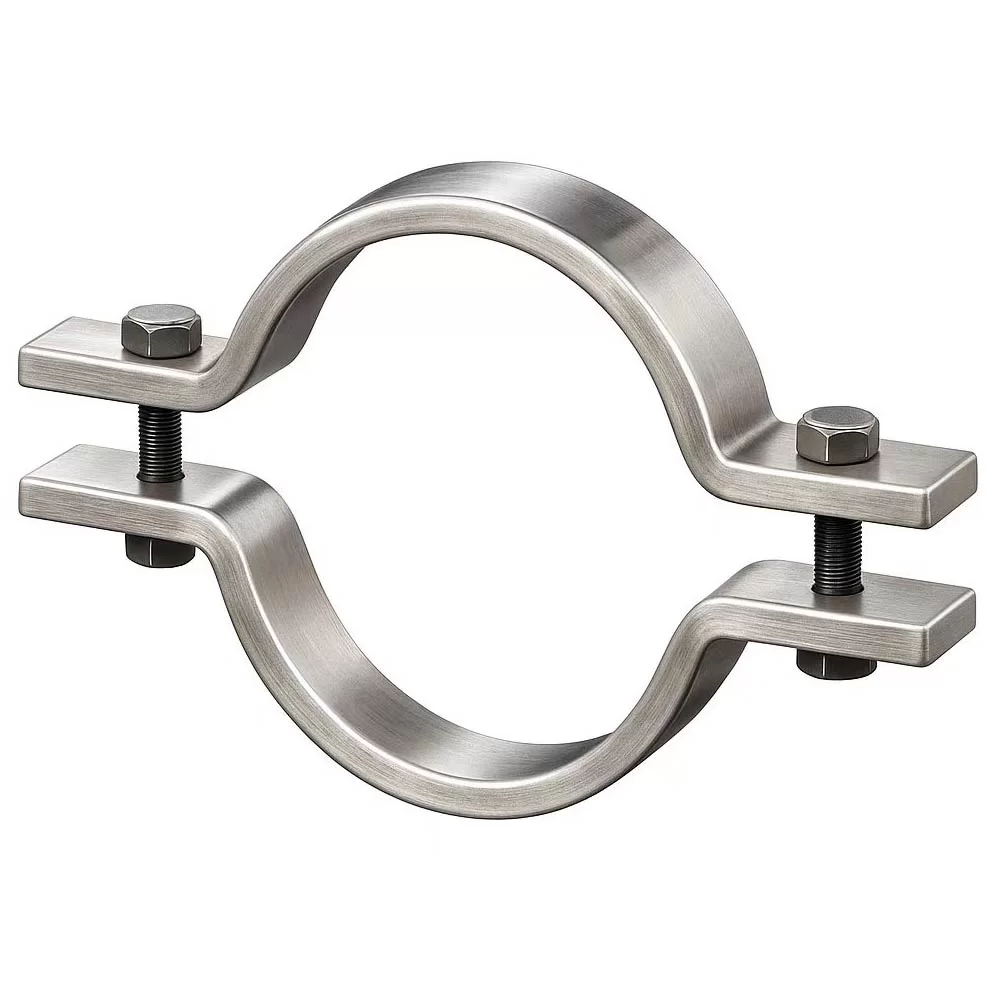
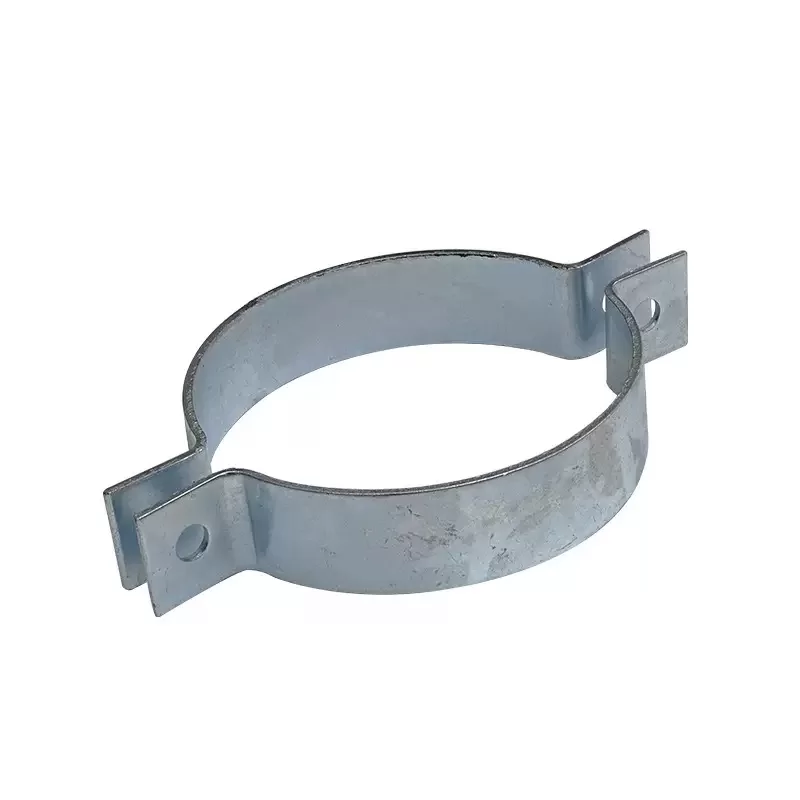
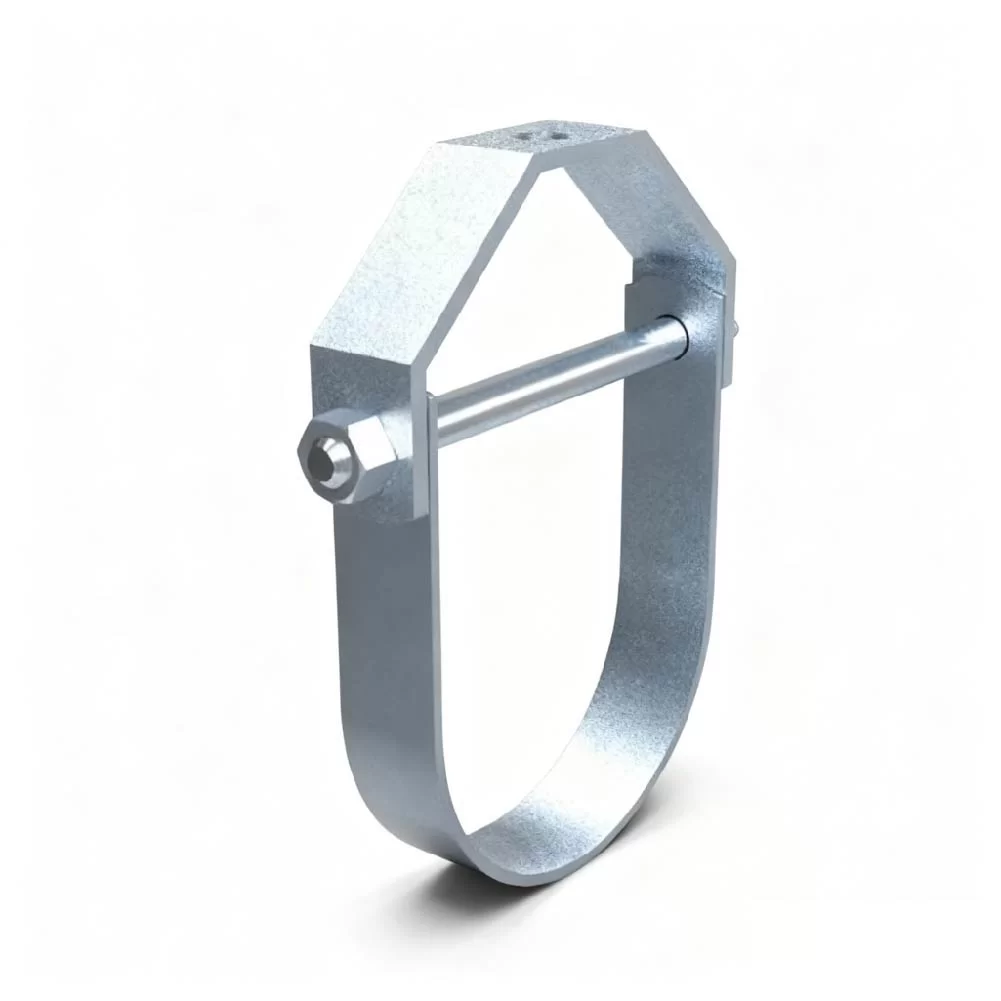
Rigid pipe hangers, as the name suggests, offer a fixed and unyielding support for piping systems. Commonly used for straight pipe runs with minimal movement, they are ideal for applications where vibration and thermal expansion are limited. These hangers typically consist of a clevis or bracket attached to the supporting structure, with a pipe clamp securing the pipe itself. They are often the most economical option for basic pipe support. Materials include steel, stainless steel, and even certain plastics depending on the environment.
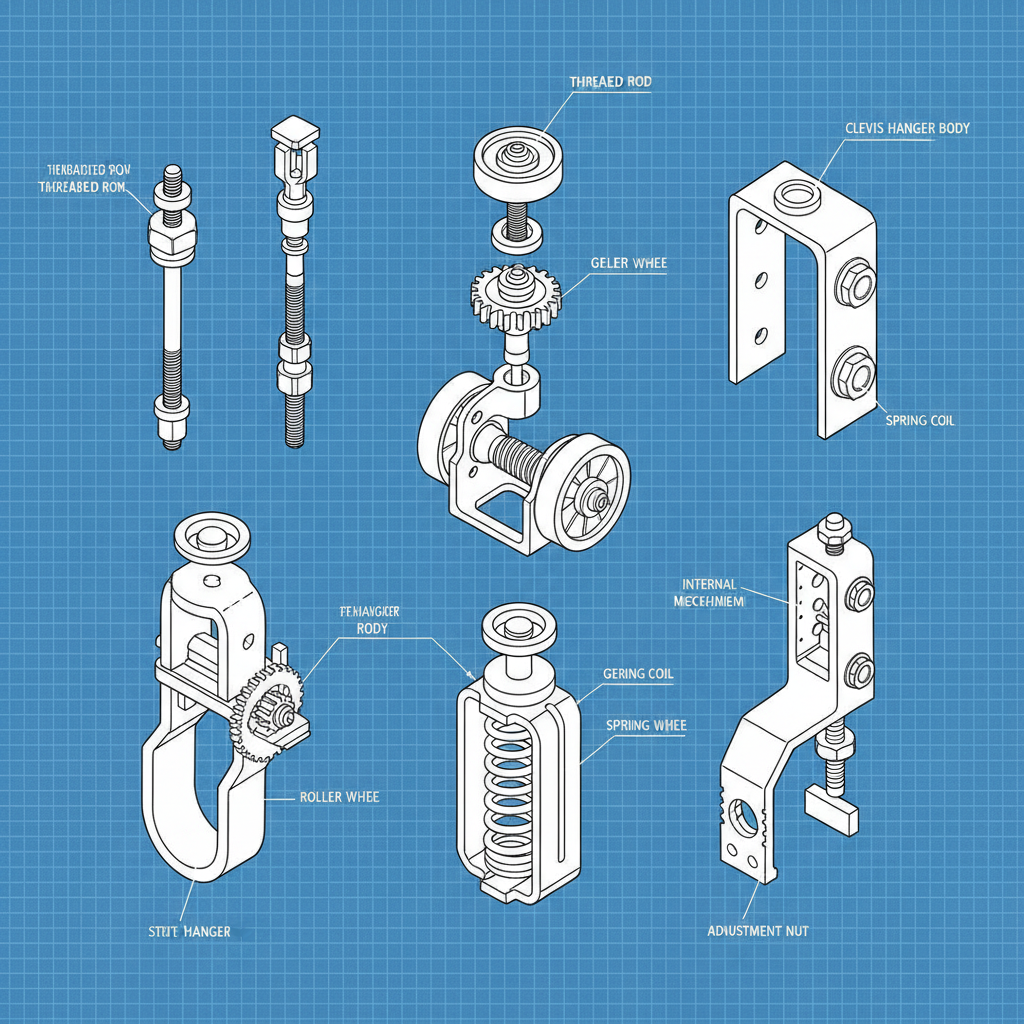
Spring hangers are designed to absorb vertical movement caused by thermal expansion and contraction. They utilize a spring mechanism to maintain a consistent upward force on the pipe, regardless of temperature fluctuations. This prevents stress on the pipe and supporting structure. Spring hangers are particularly crucial in systems with significant temperature variations, such as power plants and chemical processing facilities. Selecting the correct spring rate (load capacity) is essential to ensure adequate support and prevent overstressing the system. You can find a wide range of these at Top Fastener.
Key Benefit: Spring hangers effectively manage thermal movement, reducing stress on the piping system and preventing potential failures.
Rope hangers provide a flexible and adjustable support solution. They consist of a length of wire rope or synthetic fiber rope secured to the pipe and the supporting structure. Rope hangers allow for some degree of movement in all directions, making them suitable for dynamic systems and those requiring frequent adjustments during installation. They’re often used in seismic regions where some flexibility is beneficial. However, rope hangers require regular inspection for wear and corrosion to ensure continued performance.
Rope Hanger Advantages:
• Adjustable height and position
• Suitable for dynamic systems
• Relatively low cost
• Good for seismic applications
Choosing the correct pipe hanger involves considering the specific requirements of the piping system. Here's a comparison of the most common types:
Beyond the common types, several specialty hangers address specific challenges. These include hydraulic hangers, which offer precise control and adjustment, and seismic hangers, designed to withstand earthquake forces. The choice of specialty hangers depends heavily on the application and local building codes. Contacting a qualified engineer is often recommended for complex installations. For a diverse selection of all hanger types, visit Top Fastener’s online catalog.
Choosing the right type of pipe hanger is crucial for the longevity and safety of your piping system. By considering factors such as load, movement, environmental conditions, and local regulations, you can select the optimal solution for your specific needs. Don’t hesitate to consult with industry experts or engineers to ensure a successful installation and reliable performance. Prioritizing proper pipe support minimizes risk and maximizes efficiency.
Several key factors influence the selection process. These include the weight of the pipe and its contents, the expected thermal expansion and contraction, the potential for vibration, the environmental conditions (corrosion resistance), and any specific requirements dictated by local building codes. It’s also important to consider the accessibility for inspection and maintenance. A proper assessment of these factors will lead to a more informed and effective choice. For example, if you are working with high-temperature steam lines, spring hangers are essential to accommodate the expansion.
Regular inspections are crucial to ensure the continued integrity of the piping system. The frequency of inspections depends on the environment and the severity of the operating conditions. However, a general guideline is to inspect pipe hangers at least annually, or more frequently in corrosive or high-vibration environments. Look for signs of corrosion, wear, damage, or loose connections. Document all inspections and address any issues promptly.
No, pipe hangers should not be used to correct pre-existing piping misalignment. Misalignment can create undue stress on the hangers and the piping system, leading to premature failure. Any misalignment should be addressed during the initial installation process by adjusting the pipe supports and aligning the piping properly. Using hangers to compensate for misalignment is a temporary and potentially dangerous fix.
Top Fastener offers a comprehensive selection of pipe hangers, including rigid, spring, rope, and specialty hangers, manufactured to the highest quality standards. We also provide expert advice and support to help you choose the right hangers for your application.
Hit enter to search or ESC to close