
April 07, 2026
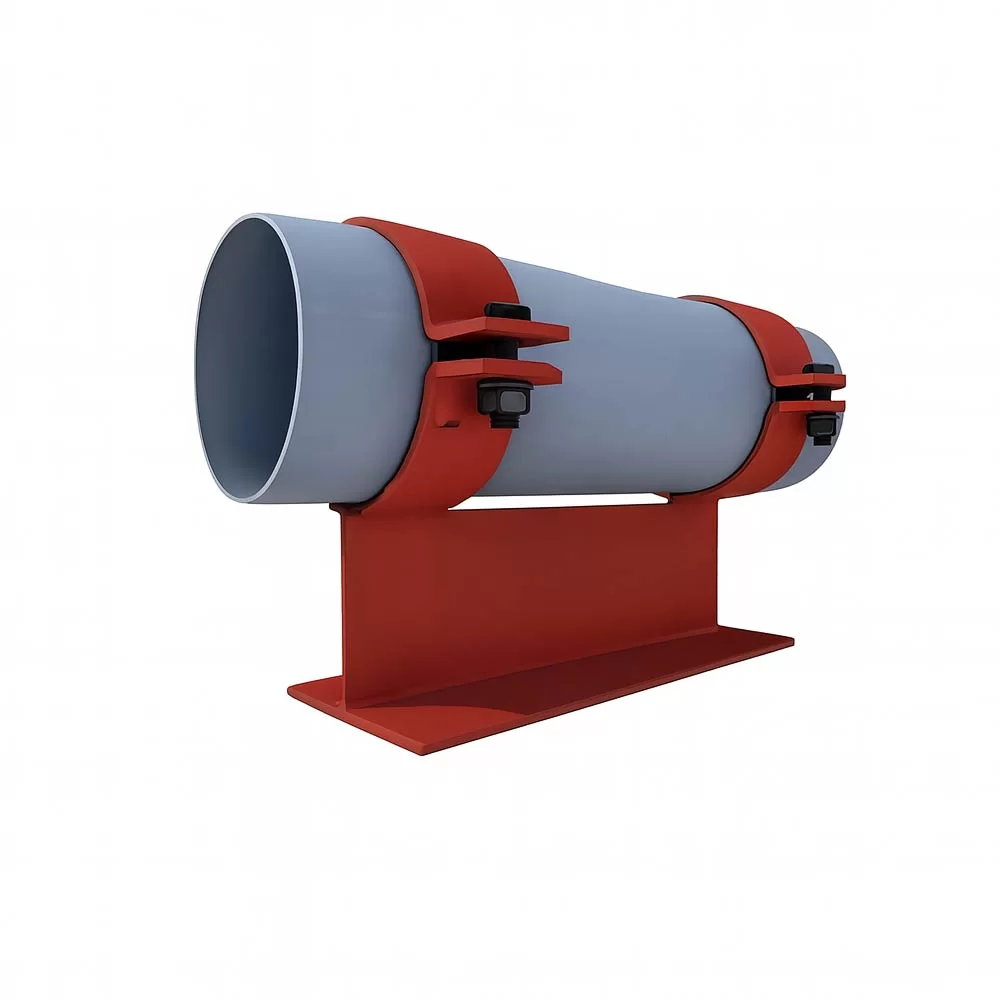
Pipe shoe supports are crucial components in piping systems, providing a stable and reliable foundation to prevent stress and potential damage. Selecting the right type of pipe shoe support is vital for ensuring the longevity and safe operation of your infrastructure. This article will explore the different pipe shoe support types available, their applications, and factors to consider when making your choice. Understanding these details helps minimize maintenance costs and maximize system efficiency.
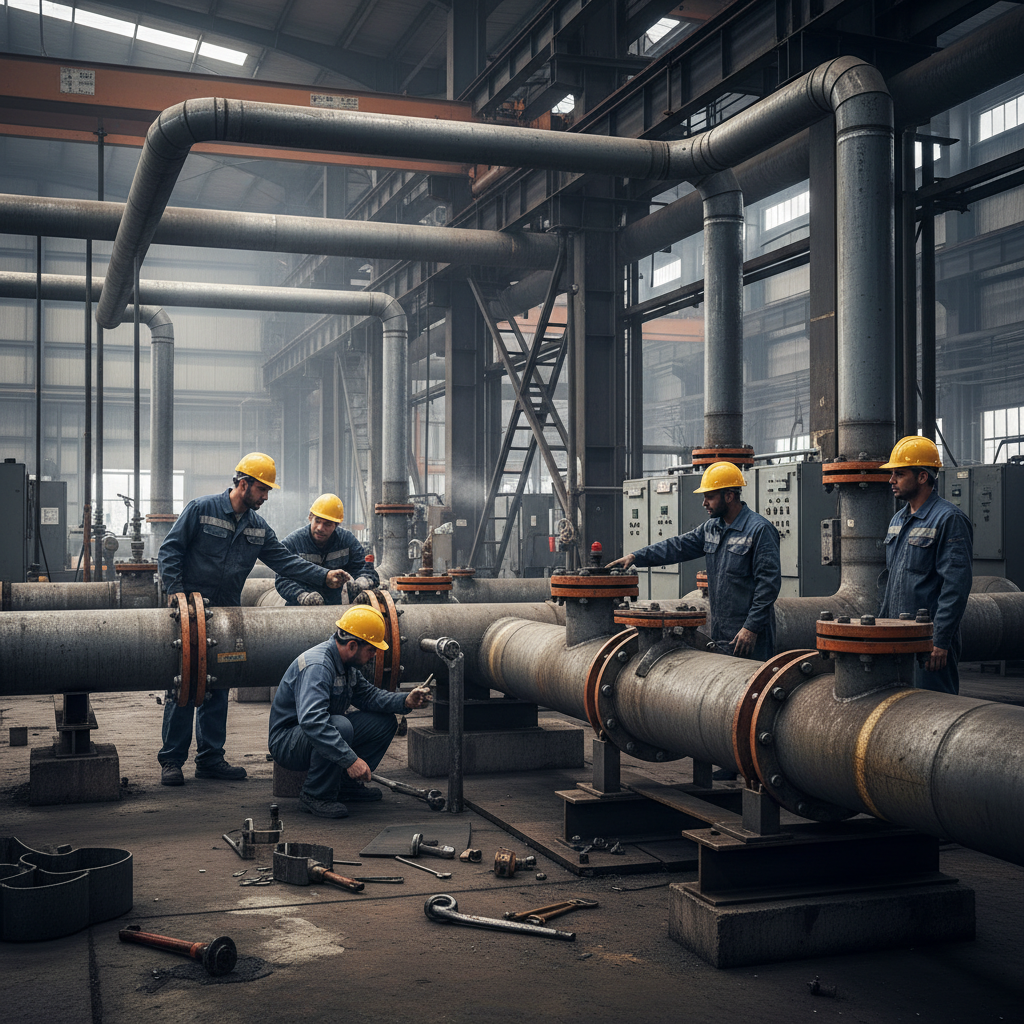
Pipe shoe supports serve several critical functions. They distribute the weight of the pipe and its contents, preventing excessive stress on the pipe itself and the supporting structure. This is especially important for heavy pipes carrying liquids or gases. They allow for thermal expansion and contraction of the pipe, preventing buckling or damage due to temperature fluctuations. They also dampen vibration and noise, contributing to a quieter and more stable operating environment. Choosing the right support type is directly linked to the overall integrity and safety of your piping system.
Key Benefits: Distribute weight, allow for thermal movement, dampen vibration, and ensure system stability.
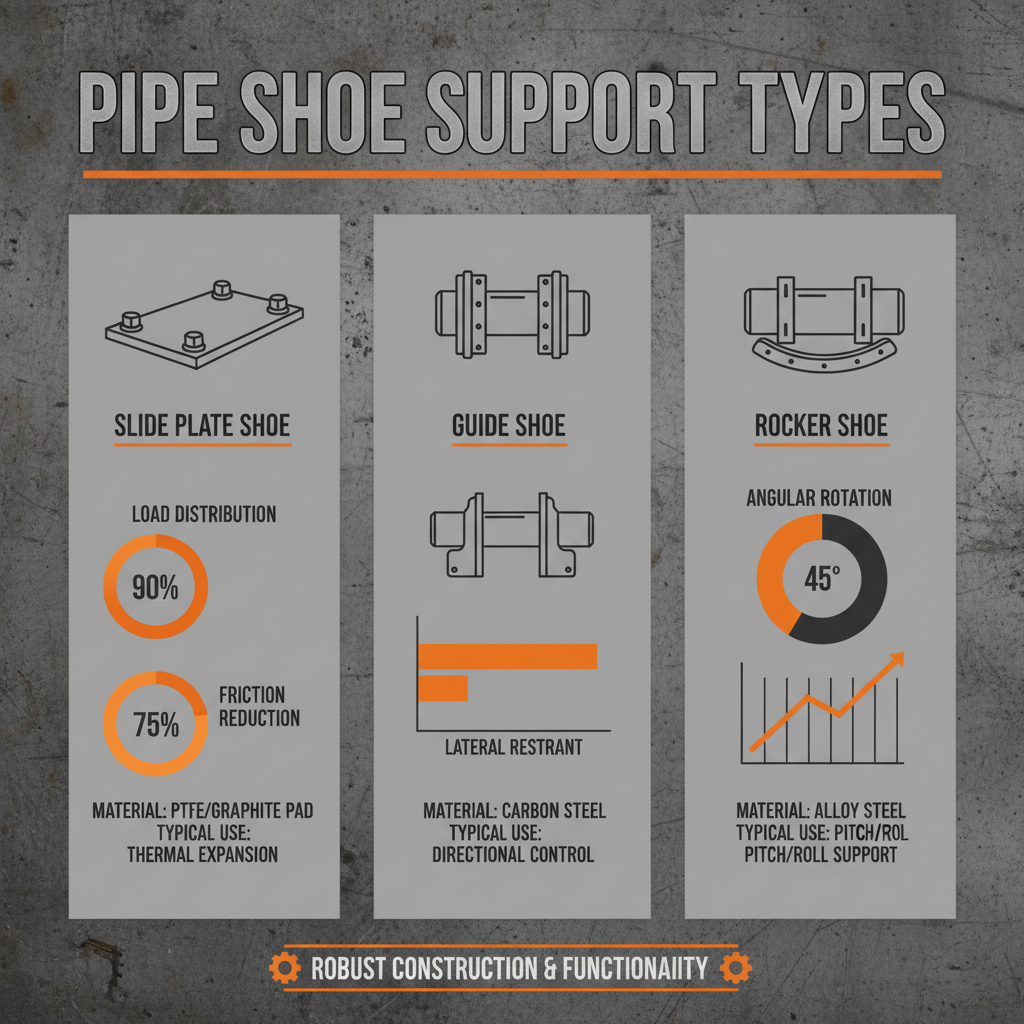
Several types of pipe shoe supports are designed for different applications and loading conditions. Some of the most common include:
Choosing between steel and UHMW pipe shoe supports depends on your specific needs. Steel offers superior strength for heavy loads, but UHMW provides reduced friction and wear, particularly important in applications with movement or vibration. Here's a comparison:
Several factors influence the optimal choice of pipe shoe support. These include:
At TopFastener, we offer a comprehensive range of pipe shoe supports designed to meet diverse industrial needs. Our experienced team can help you select the optimal solution for your application, ensuring reliable performance and long-term system integrity. Contact us today to discuss your project requirements.
Selecting the correct pipe shoe support is vital for ensuring the safety, reliability, and longevity of your piping systems. By carefully considering factors like load capacity, temperature, and chemical exposure, you can choose the optimal support that meets your specific needs. TopFastener provides a diverse range of high-quality solutions and expert guidance to help you make the right decision.
Regular inspection is key. Check for signs of wear, corrosion, or damage to the support material and attachment points. Lubricate sliding surfaces periodically to reduce friction. Ensure all bolts and fasteners are tightened to the specified torque. Depending on the operating environment, cleaning may also be necessary to remove debris or contaminants. Replacing worn or damaged supports promptly prevents potential system failures.
Support spacing is determined by several factors, including pipe weight, diameter, material, and allowable stress. Consult engineering standards and manufacturer's guidelines for specific recommendations. A general rule of thumb is to space supports close enough to prevent excessive sag or bending, but not so close that they restrict thermal expansion. A qualified engineer should perform a detailed analysis to ensure proper support spacing for your specific application.
RPTFE (Reinforced Polytetrafluoroethylene) pipe shoe supports are used in applications demanding higher load-bearing capacity than standard PTFE supports can provide. The reinforcement allows RPTFE supports to handle heavier pipes and more demanding operating conditions. They still offer the excellent chemical resistance and low coefficient of friction characteristic of PTFE, making them ideal for corrosive environments and applications where minimal friction is critical.
Welded pipe shoes provide a strong, permanent connection, but they are not suitable for all systems. They are best used in applications where the piping configuration is fixed and thermal expansion is minimal. Welding can induce stress in the pipe, so it's crucial to follow proper welding procedures and consult with a qualified welding engineer. They are also more difficult to remove or adjust compared to clamp-on supports.
Hit enter to search or ESC to close


![Chain Link 3″ [2 7/8″ OD] Industrial Gate Box Hinge – Butt Hinge (Pressed Steel)](https://images.cnmqh.com/images/a10068/f1-20260414064622.webp "Chain Link 3″ [2 7/8″ OD] Industrial Gate Box Hinge – Butt Hinge (Pressed Steel)")