
April 04, 2026
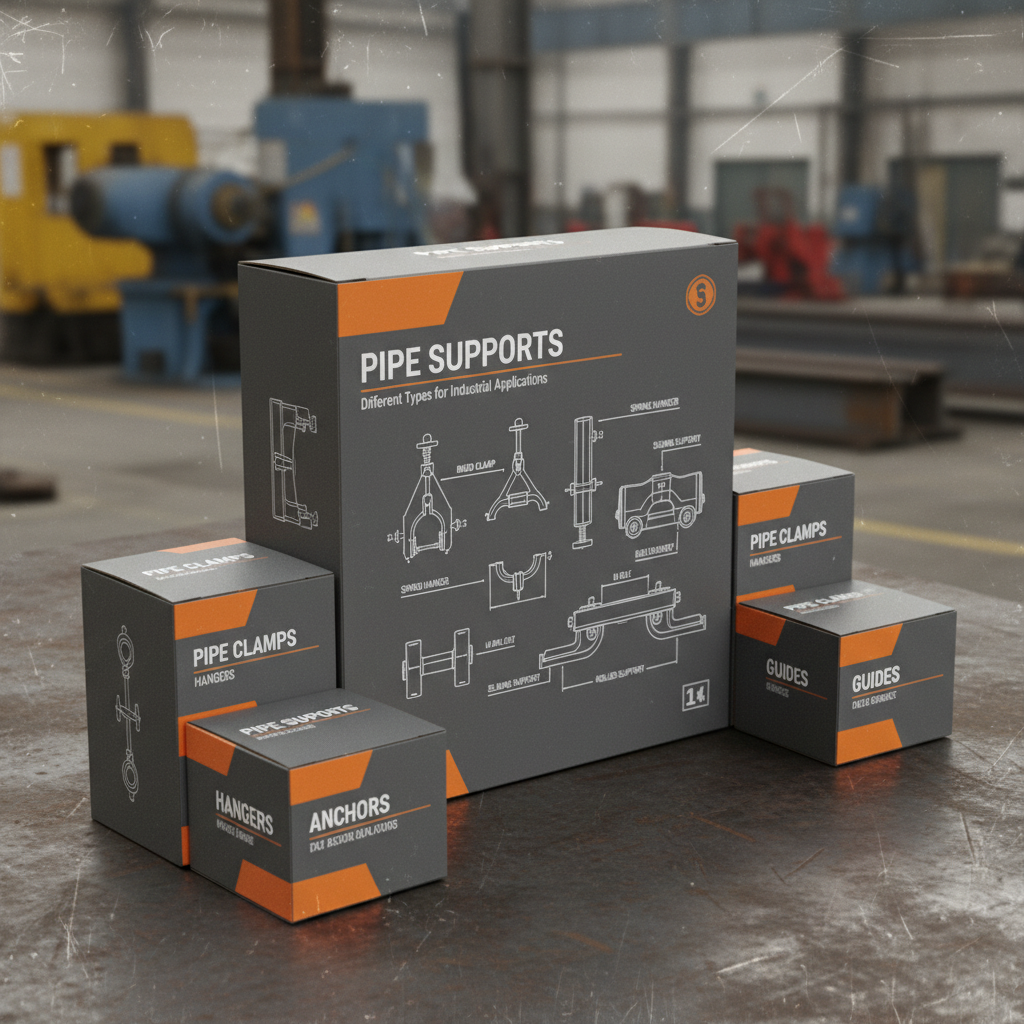
Pipe supports are crucial components in any piping system, ensuring stability, safety, and longevity. They manage the weight of the pipe, absorb stresses caused by thermal expansion and contraction, and protect against vibration. Selecting the right type of pipe support is vital for optimal system performance. This article will explore the various types of pipe supports available, their applications, and how to choose the best solution for your needs. Proper support prevents damage and ensures a cost-effective, reliable piping system.
Before diving into the types, it's important to understand the functions of pipe supports. Primarily, they bear the load of the pipe and its contents. This includes the weight of the pipe itself, the fluid flowing within it, and any insulation applied. Additionally, pipe supports accommodate movement caused by thermal changes – expansion when heated and contraction when cooled – preventing stress on the piping system and connected equipment. Supports also dampen vibrations, reducing noise and potential fatigue failures. The correct selection minimizes stress concentration and ensures long-term operational integrity.
Key Considerations: Load bearing, thermal expansion, vibration damping, material compatibility.
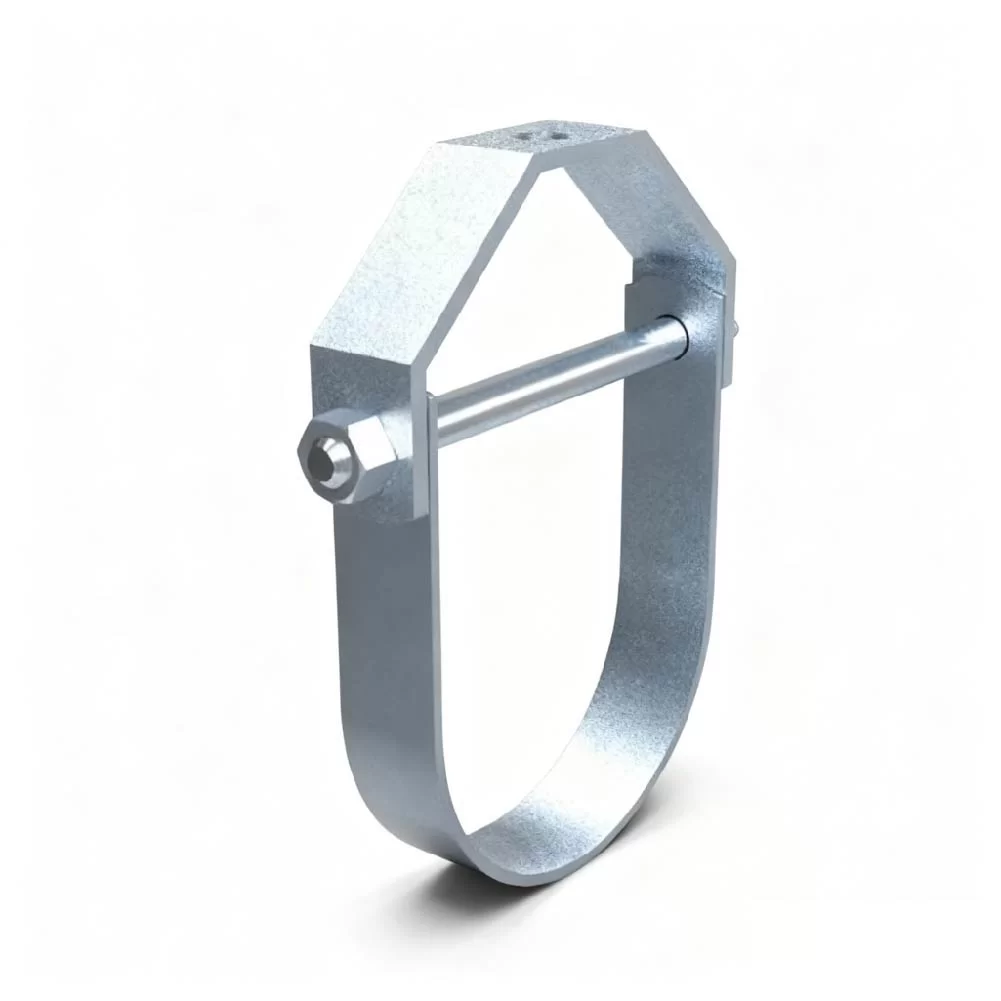
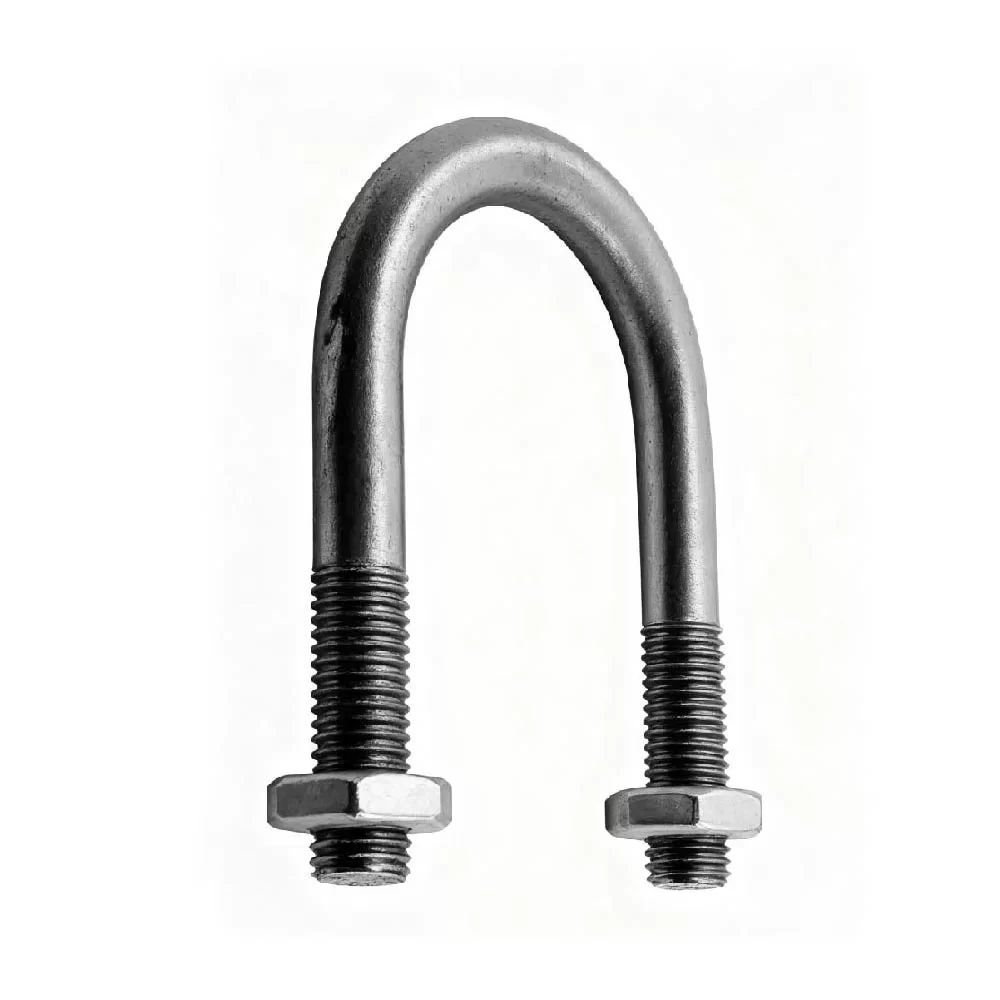
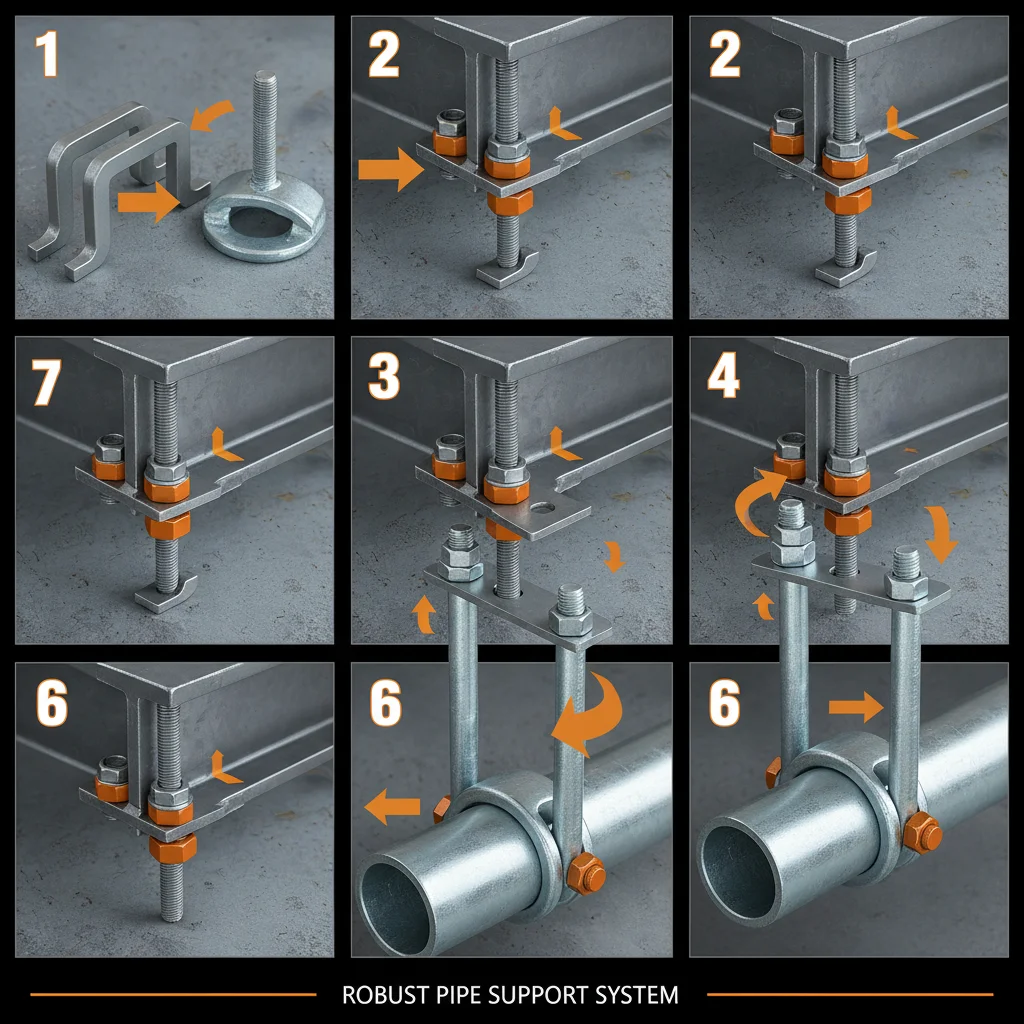
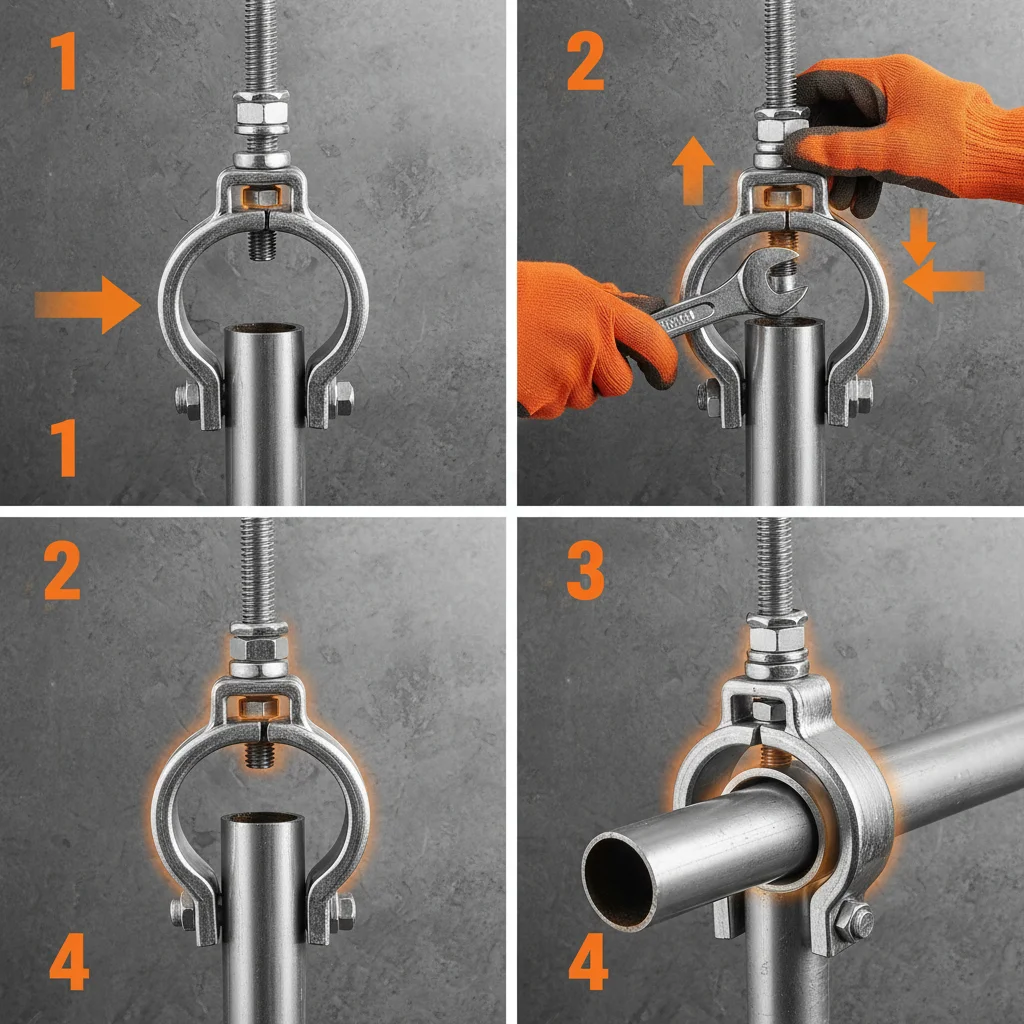
Rigid supports, as the name suggests, provide fixed points for the piping system. These are typically used for smaller diameter pipes or in areas where movement is minimal. Common types include clevis hangers, U-bolts, and shoe supports. Clevis hangers support pipes from above, while U-bolts wrap around the pipe and attach to structural steel. Shoe supports, often made of steel, rest the pipe on a flat surface. They are effective in controlling vertical deflection but do not accommodate axial movement.
Benefits of Rigid Supports:
• Simple and cost-effective
• Easy to install
• Provides strong, fixed support
Spring supports are designed to accommodate axial movement caused by thermal expansion and contraction. They use a spring mechanism to absorb the movement and prevent stress buildup in the piping system. Variable spring supports allow for adjustment to account for varying load and travel requirements. Constant spring supports maintain a consistent load, making them suitable for applications with predictable movement. These are commonly used in high-temperature piping systems where thermal expansion is significant.
Here's a table summarizing the key differences between common pipe support types:
Selecting the appropriate pipe support requires careful evaluation of several factors. These include the pipe material, diameter, weight, operating temperature, and the potential for movement. Consider the surrounding environment – is it subject to seismic activity or strong winds? A proper stress analysis is essential, particularly for complex piping systems. Don't hesitate to consult with experienced engineers to ensure the optimal selection and installation of pipe supports. Top Fastener provides a comprehensive range of high-quality pipe supports to meet diverse application requirements.
Proper pipe support is fundamental to the safe and reliable operation of any piping system. By understanding the different types of supports available and carefully considering the specific application requirements, you can minimize stress, prevent failures, and maximize the lifespan of your piping infrastructure. Investing in quality pipe supports is an investment in long-term operational efficiency and safety.
Regular inspection is crucial to ensure the continued effectiveness of pipe supports. Over time, supports can corrode, loosen, or become damaged. Ignoring these issues can lead to excessive stress on the piping system, potential failures, and safety hazards. Inspections should include checking for corrosion, cracks, loose bolts, and proper functionality of spring supports. Documenting inspection findings and addressing any issues promptly is essential for maintaining system integrity. It's recommended to establish a regular inspection schedule based on the operating environment and criticality of the piping system.
Determining the correct load capacity requires a thorough understanding of the pipe’s weight, the fluid it carries, insulation weight, and any external loads. You must calculate the maximum load the support will experience under all operating conditions. This often involves consulting piping stress analysis reports. Factors like thermal expansion, seismic activity, and wind loads also need to be considered. Always select a support with a load capacity that exceeds the calculated maximum load by a safety factor, typically 2:1 or higher, to account for uncertainties and potential overload situations.
Carbon steel is the most common material for pipe supports due to its strength and cost-effectiveness. Stainless steel is used in corrosive environments or where hygiene is critical. Aluminum is chosen for its lightweight properties, while cast iron is sometimes used for specialized applications. The material selection depends on the operating environment, temperature, pressure, and the fluid being conveyed. Always consider material compatibility to prevent corrosion or other forms of degradation.
Yes, pipe supports can be customized to meet specific application requirements. Manufacturers like Top Fastener offer custom fabrication services, allowing you to specify materials, dimensions, and load capacities. Customization is often necessary for complex piping systems, unusual geometries, or challenging environmental conditions. This ensures the support perfectly fits the application and provides optimal performance.
Hit enter to search or ESC to close


![Chain Link 3″ [2 7/8″ OD] Industrial Gate Box Hinge – Butt Hinge (Pressed Steel)](https://images.cnmqh.com/images/a10068/f1-20260414064622.webp "Chain Link 3″ [2 7/8″ OD] Industrial Gate Box Hinge – Butt Hinge (Pressed Steel)")