
March 06, 2026
Proper copper pipe support spacing is crucial for the longevity and safe operation of plumbing systems. Insufficient or excessive support can lead to stress, vibration, and ultimately, failures. This article will delve into the factors influencing optimal spacing, industry standards, and best practices, ensuring your copper piping systems are reliable and compliant. Understanding these guidelines will contribute to a robust and trouble-free plumbing infrastructure. Let's explore how to achieve the ideal support strategy for your projects.
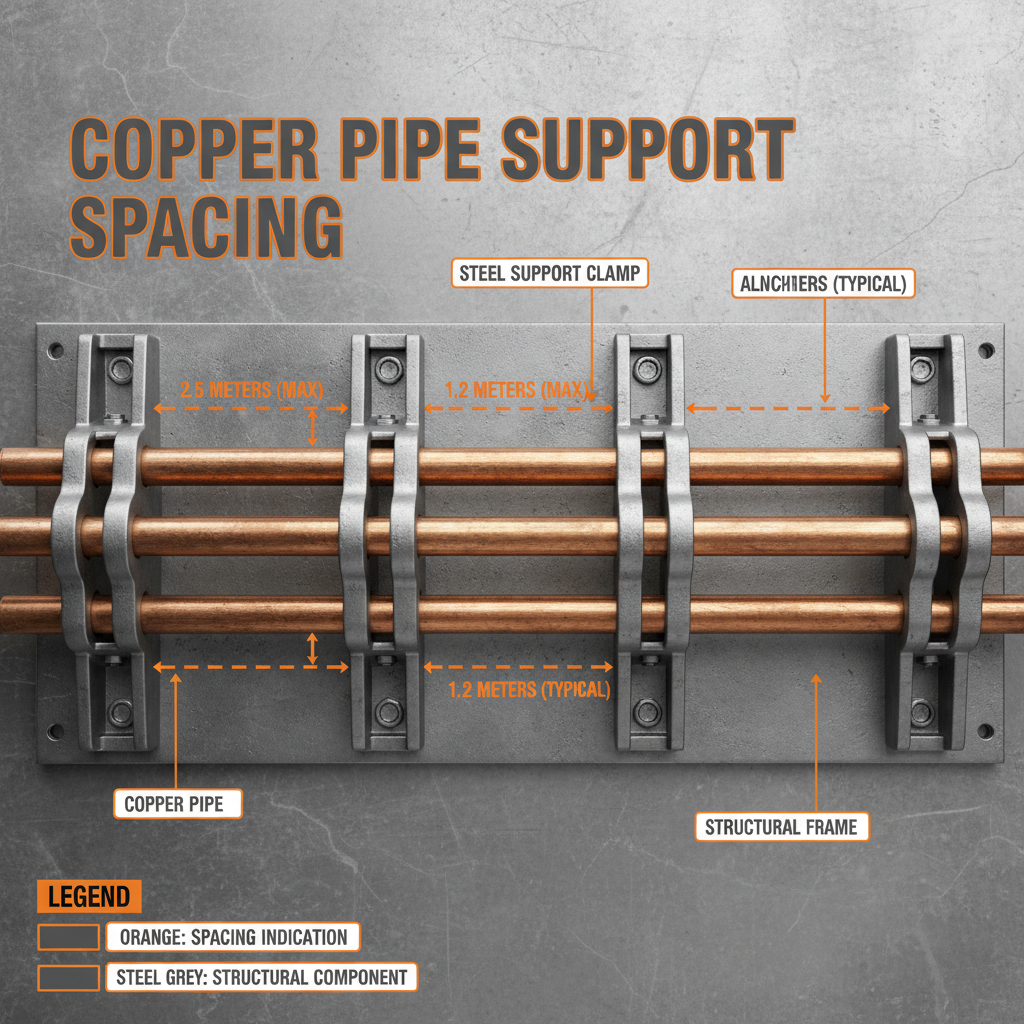
Several key factors determine the correct spacing for copper pipe supports. Pipe diameter is a primary consideration; larger diameter pipes require closer support intervals due to their increased weight and susceptibility to sagging. The type of copper pipe – rigid or flexible – also plays a role. Flexible copper is more forgiving, but still requires adequate support. Furthermore, the presence of fittings (elbows, tees, couplings) necessitates additional support to counteract stresses concentrated at these points. Consider also the weight of the fluid carried within the pipe, and the environmental factors, like seismic activity, that could place additional stress on the system. Careful consideration of these elements is essential for a stable and dependable installation. You can find a comprehensive range of copper pipe supports at Top Fastener.
Key Considerations: Pipe diameter, pipe type (rigid vs. flexible), fitting locations, fluid weight, environmental factors.
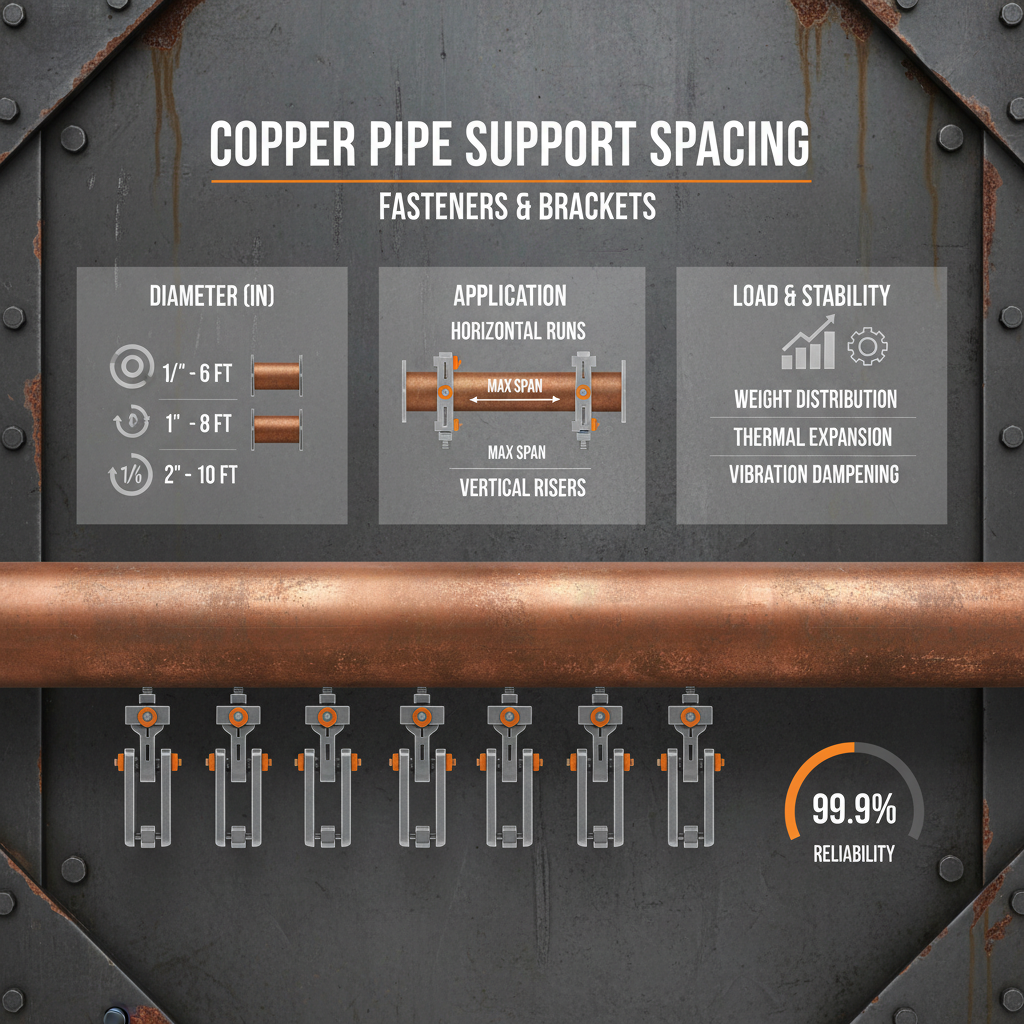
Industry standards and best practices provide guidelines for optimal support intervals. The International Plumbing Code (IPC) and the Uniform Plumbing Code (UPC) offer recommendations, but these should be adapted based on the specific application. Generally, horizontal copper pipes should be supported at intervals not exceeding 6 feet for ¾-inch pipe, and proportionally closer for larger diameters. Vertical pipes require support every 10-12 feet. Near fittings, supports should be placed within 6 inches of the fitting. Remember, these are guidelines; a professional assessment is often necessary for complex systems.
Spacing Recommendations:
• Horizontal Pipes: ≤ 6 feet (¾” pipe), proportionally closer for larger diameters
• Vertical Pipes: Every 10-12 feet
• Near Fittings: Within 6 inches
Comparing different support spacing approaches reveals the impact on system integrity. Insufficient support leads to pipe sag, stress concentration at joints, and potential leaks. Excessive support, while seemingly safer, can create thermal stress due to restricted pipe expansion and contraction, also leading to failures. The optimal approach balances support with allowance for thermal movement, ensuring long-term reliability. Utilizing the right pipe supports is critical for achieving this balance.
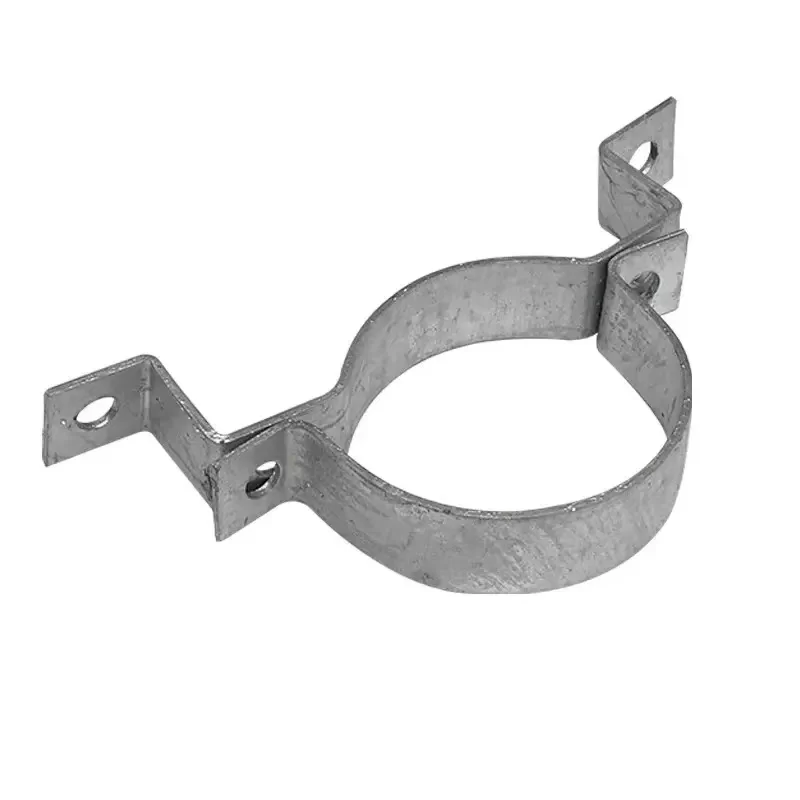
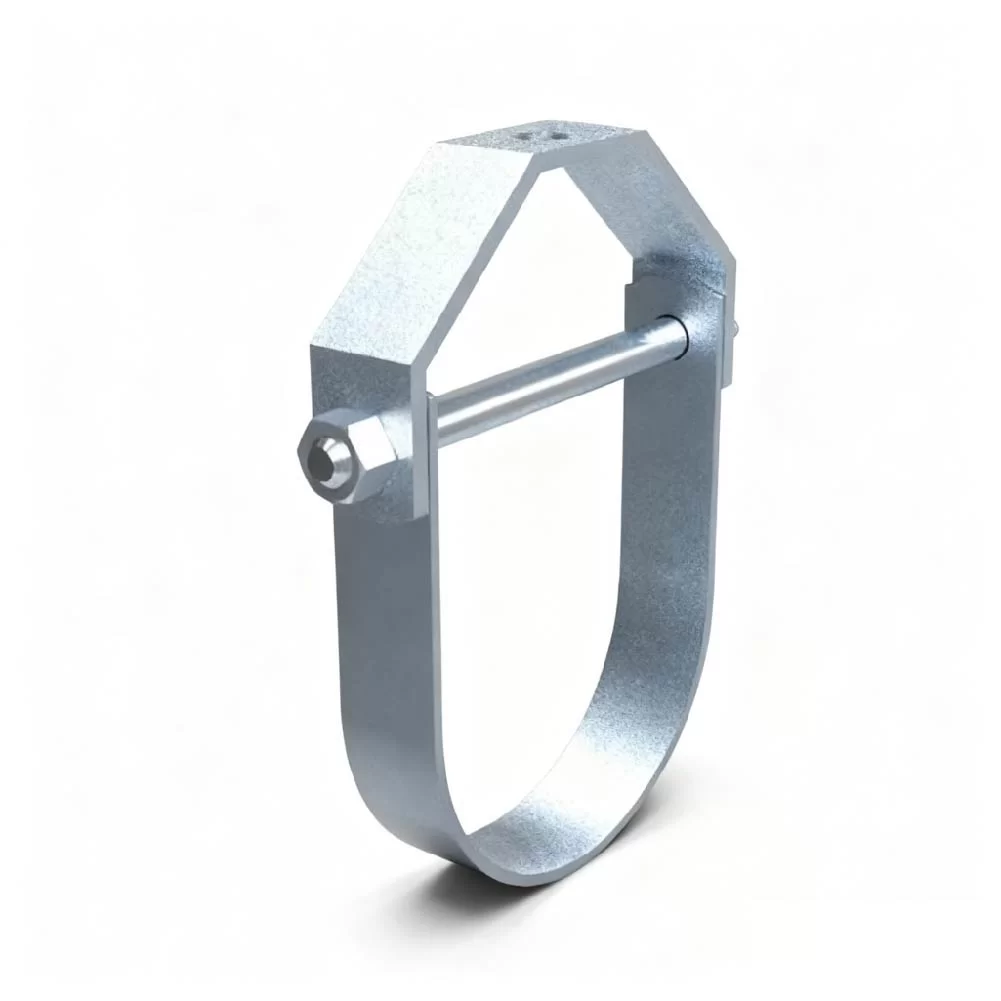
The type of support matters. Common options include pipe straps, U-bolts, and clamps. Straps are versatile and adaptable to various pipe sizes. U-bolts provide robust support, particularly for heavier pipes. Clamps are suitable for smaller diameters and quick installations. Choosing supports made of compatible materials (e.g., copper or stainless steel) is essential to prevent galvanic corrosion. Ensure the supports are appropriately sized for the pipe diameter and load. Top Fastener offers a wide array of high-quality copper pipe supports to meet your project needs.
Ignoring proper copper pipe support spacing can have significant consequences, ranging from minor leaks to catastrophic system failures. These failures can lead to water damage, costly repairs, and potential safety hazards. Proper planning and adherence to industry standards are essential for minimizing risks and ensuring a reliable plumbing infrastructure. Regularly inspect existing systems to identify and address any deficiencies in support. Investing in quality supports and proper installation is a proactive approach to long-term system integrity.
Prioritizing correct copper pipe support spacing is an investment in the longevity and safety of your plumbing systems. By understanding the influencing factors, following industry guidelines, and selecting the appropriate supports, you can create a robust and reliable infrastructure. Don't compromise on quality or safety – choose Top Fastener for all your copper pipe support needs.
Copper pipes expand and contract with temperature changes. Supports should allow for this movement to prevent stress buildup. Utilizing sliding or spring-loaded supports can accommodate thermal expansion and contraction effectively. Avoid rigid supports that completely restrict pipe movement, as this can lead to buckling or cracking. Properly accounting for thermal expansion is critical for long-term system reliability. The support spacing needs to be adjusted based on the temperature range and the length of the pipe run.
Yes, insulated copper pipes require modified support spacing due to the increased diameter and weight. The support spacing should be adjusted to account for the insulation thickness. It’s generally recommended to reduce the support interval by approximately 25-50% compared to bare copper pipes. Ensure the supports adequately grip the insulation without damaging it. Using wider straps or specialized insulation supports is often necessary. Check local plumbing codes for specific requirements regarding insulated pipe support.
For complex systems, a professional plumbing engineer or designer should be consulted. They can perform a detailed load analysis and determine the optimal support locations and types. Consider the cumulative stresses at fittings and bends, and provide additional support accordingly. Utilize pipe hangers and supports designed for specific load capacities and configurations. A thorough assessment will ensure the system is adequately supported and can withstand the anticipated stresses. You can contact Top Fastener for support and guidance.
In areas prone to seismic activity, copper piping systems must be adequately braced to withstand earthquake forces. Seismic bracing systems typically involve restraining the pipes to structural elements to prevent movement during an earthquake. Local building codes will dictate specific requirements for seismic bracing. The bracing must be designed to accommodate both lateral and vertical forces. Using specialized seismic bracing components and a qualified installer is essential for ensuring the system's integrity during a seismic event.
Hit enter to search or ESC to close


![Chain Link 3″ [2 7/8″ OD] Industrial Gate Box Hinge – Butt Hinge (Pressed Steel)](https://images.cnmqh.com/images/a10068/f1-20260414064622.webp "Chain Link 3″ [2 7/8″ OD] Industrial Gate Box Hinge – Butt Hinge (Pressed Steel)")