
March 05, 2026
Proper copper pipe hanger spacing is crucial for ensuring the longevity and safety of plumbing systems. Incorrect spacing can lead to excessive stress on pipes, potential leaks, and even structural failure. This article delves into the factors influencing optimal spacing, providing guidelines for residential, commercial, and industrial applications. We’ll cover everything from pipe diameter and material to building codes and best practices, helping you achieve a secure and reliable plumbing installation. Top Fastener provides high-quality copper pipe hangers to support your plumbing projects.
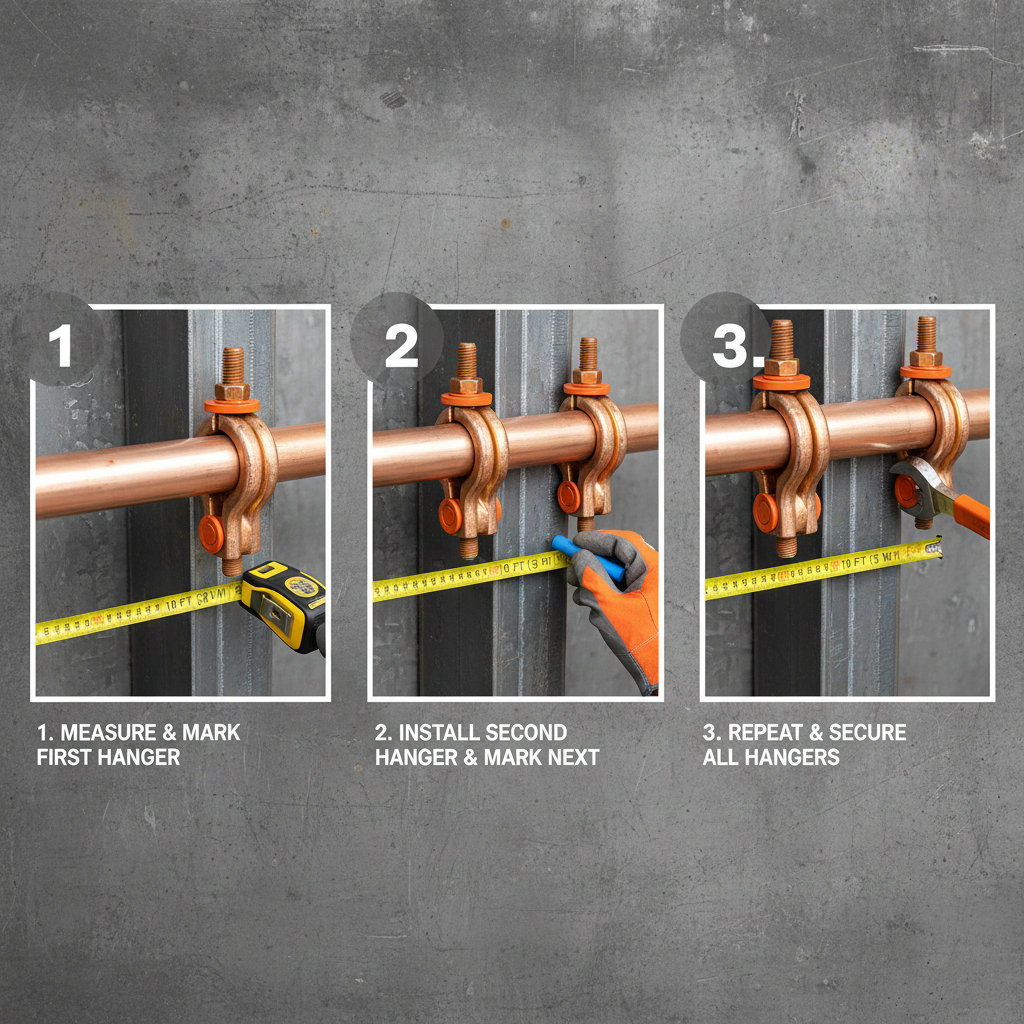
Several factors determine the appropriate spacing between copper pipe hangers. These include the pipe's diameter, the type of copper pipe (rigid or flexible), the presence of elbows or tees, and the weight of the water or other fluids flowing through the pipe. Building codes often specify minimum requirements, but exceeding these recommendations can provide an extra margin of safety and prevent potential problems down the road. It’s important to also consider the environmental factors such as temperature fluctuations and potential seismic activity, which can impact the stress on the pipes. Selecting the correct hangers from suppliers like Top Fastener is also crucial for optimal support.
Key Considerations: Pipe diameter, pipe type (rigid vs. flexible), fluid weight, building codes, environmental factors.
Here's a general guideline for copper pipe hanger spacing based on pipe diameter. These are typical recommendations, and you should always consult local building codes and a qualified plumbing professional. Spacing is typically reduced around fittings and valves.
Always reduce copper pipe hanger spacing near fittings like elbows, tees, and valves. These areas experience increased stress and require more frequent support. A good rule of thumb is to place hangers within 6-12 inches of each fitting. This prevents bending and potential leaks at these vulnerable points. Consider using cushioned clamps to reduce stress concentrations and prevent corrosion.
Fittings and Valves – Spacing Recommendations:
• Within 6-12 inches of each fitting.
• Use cushioned clamps to minimize stress.
• Ensure proper alignment to avoid uneven stress distribution.
The type of copper pipe used impacts hanger spacing. Rigid copper pipe, typically Type L or Type M, requires more frequent support than flexible copper pipe, like Type K. Flexible pipe has more inherent give and can absorb some vibration and movement, but it still requires adequate support to prevent sagging and stress. Always follow the manufacturer’s recommendations for spacing specific to the type of copper pipe you are using. Top Fastener offers hangers suitable for both rigid and flexible copper piping.
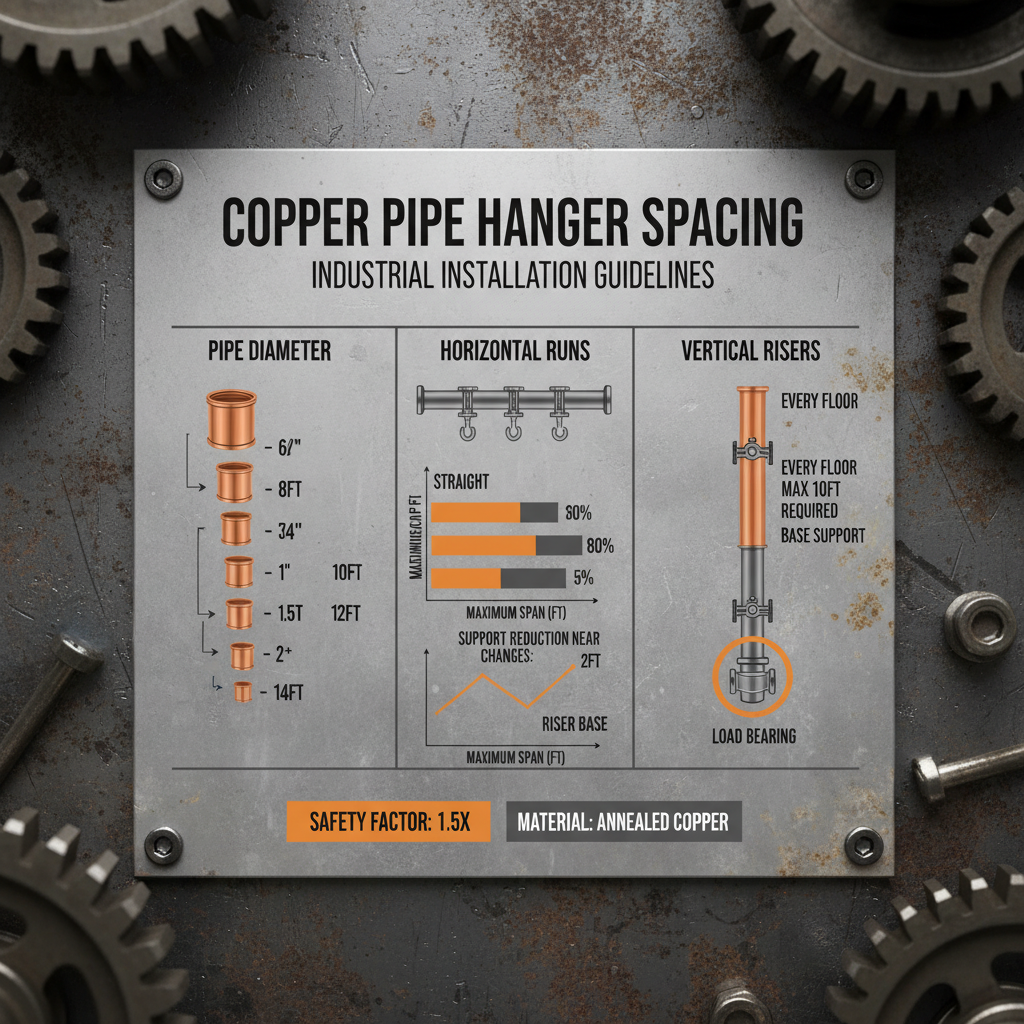
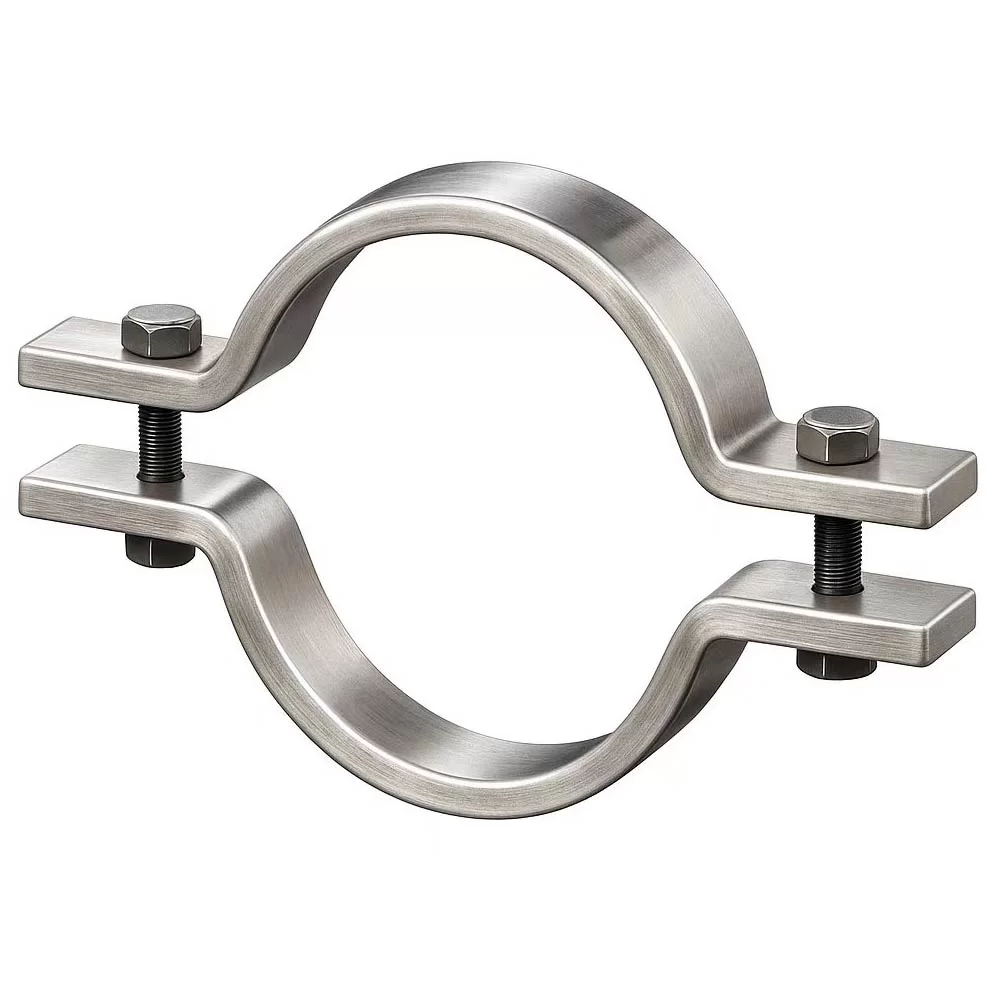
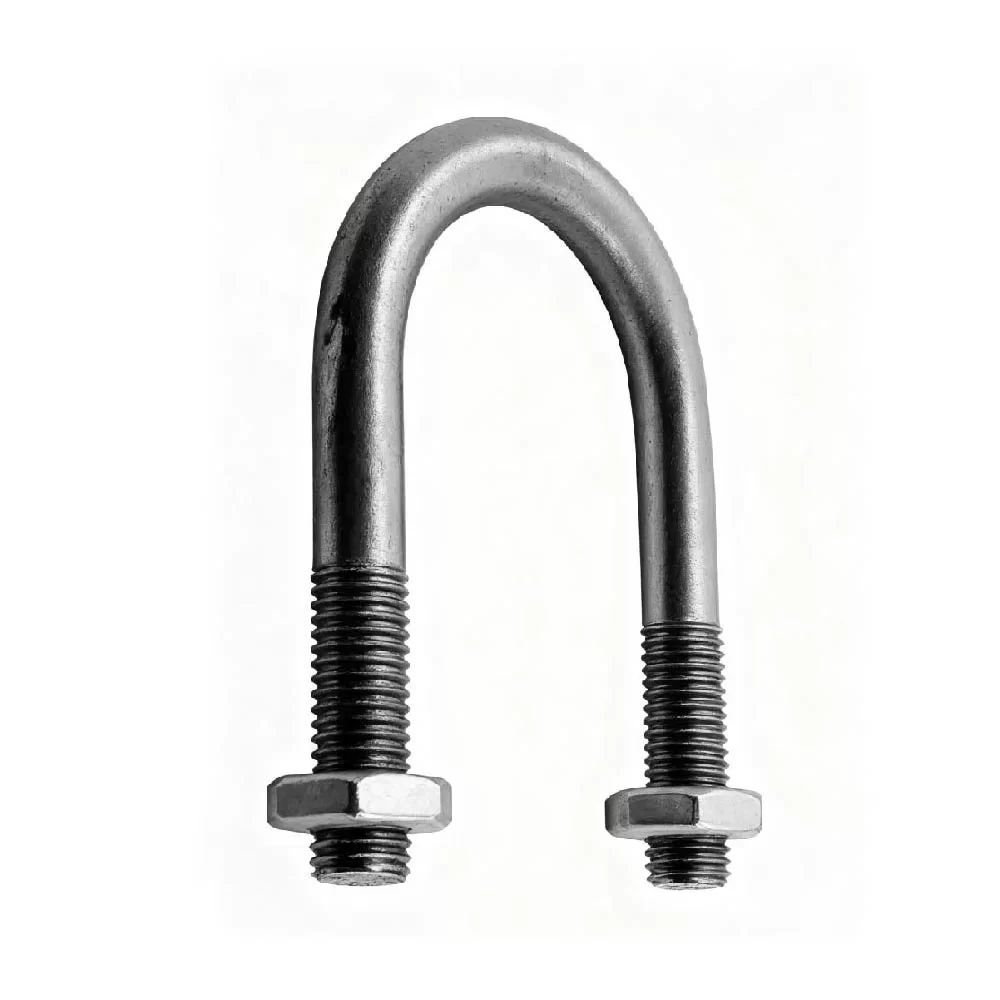
Choosing the correct type of hanger is as important as spacing. Common types include clevis hangers, band hangers, and adjustable hangers. Clevis hangers are suitable for straight runs of pipe, while band hangers offer more versatility. Adjustable hangers allow for fine-tuning of pipe alignment. Ensure the hangers are made of corrosion-resistant materials to prevent galvanic corrosion between the copper pipe and the hanger metal. Top Fastener carries a wide selection of high-quality copper pipe hangers to meet your specific needs.
Proper copper pipe hanger spacing is fundamental to the integrity and longevity of any plumbing system. By understanding the factors influencing spacing, following recommended guidelines, and selecting the right hangers, you can prevent costly leaks and ensure a reliable plumbing infrastructure. Investing in quality hangers from a trusted supplier like Top Fastener is a small price to pay for peace of mind.
If copper pipe hangers are spaced too far apart, the pipe can sag, putting undue stress on the joints and fittings. This can lead to leaks, especially at the connections. Over time, the sustained stress can even cause the pipe to crack or rupture, resulting in significant water damage. Proper support prevents these issues by distributing the weight of the pipe and the fluid it carries evenly along its length. Furthermore, movement caused by inadequate support can lead to noise and vibration within the plumbing system.
Yes, most building codes, such as the International Plumbing Code (IPC), specify minimum requirements for pipe support. These codes typically provide tables outlining maximum spacing based on pipe diameter and material. However, local codes may have more stringent requirements. It’s crucial to consult your local building department to ensure compliance. Additionally, many codes require hangers to be corrosion-resistant and appropriately sized for the pipe they are supporting.
In seismic zones, it's essential to use hangers specifically designed to withstand earthquake forces. These typically include braced hangers, spring supports, or other systems that allow for movement while still providing secure support. The hangers should be capable of absorbing shock and preventing the pipes from shifting or breaking during an earthquake. Consult with a structural engineer or a plumbing professional experienced in seismic design to determine the best hanger system for your location. Top Fastener can advise on suitable options.
Galvanic corrosion occurs when dissimilar metals come into contact in the presence of an electrolyte (like water). To prevent this, use hangers made of compatible materials, such as copper, plastic, or stainless steel. If steel hangers are unavoidable, use a dielectric union or sleeve to isolate the copper pipe from the steel. Regular inspection of hangers for signs of corrosion is also recommended. Choosing corrosion-resistant hangers from a reputable supplier, like Top Fastener, can significantly reduce the risk of this issue.
Hit enter to search or ESC to close