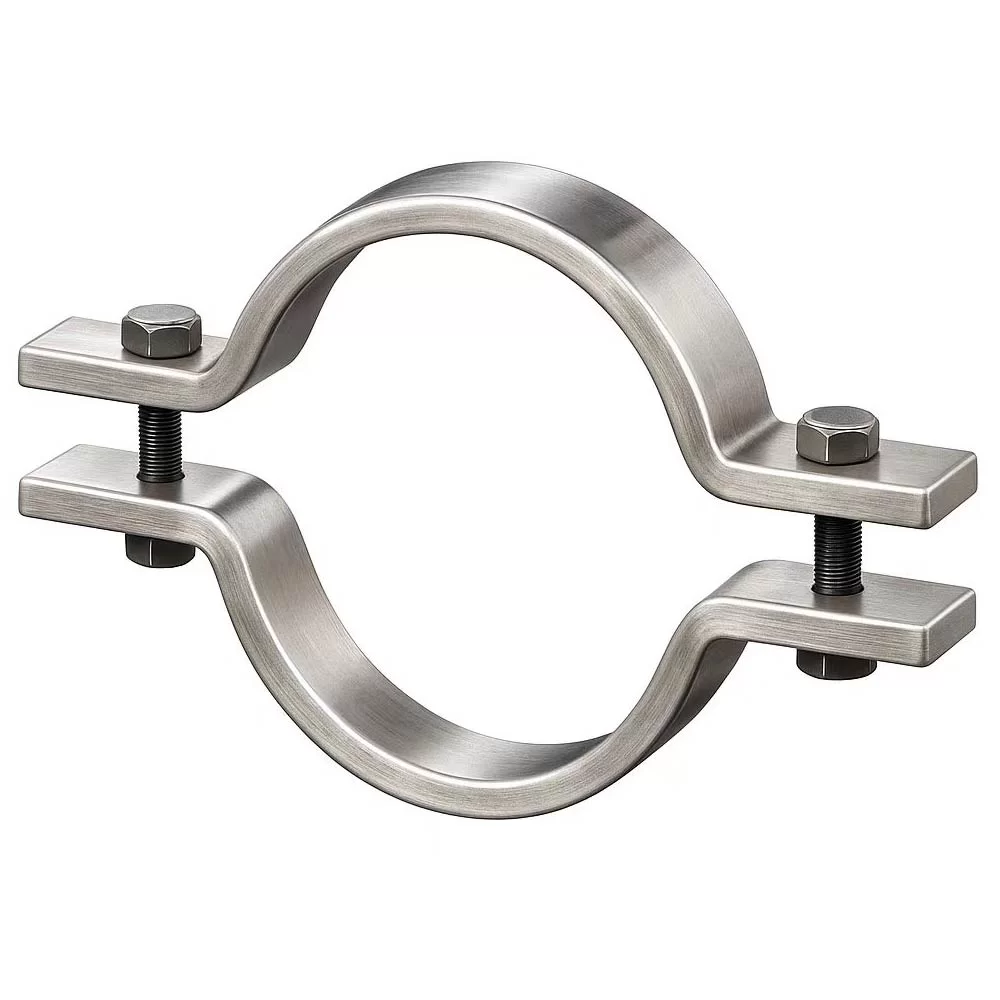
Fastener manufacturers are the backbone of countless industries, supplying the critical components that hold our world together. From the towering skyscrapers that define city skylines to the intricate machinery that powers modern manufacturing, reliable and high-quality fasteners are essential. The global fastener market is a multi-billion dollar industry, experiencing consistent growth due to infrastructure development, automotive production, and increasing demand across various sectors. Understanding the intricacies of fastener manufacturing, including material science, production techniques, and quality control, is paramount for engineers, procurement professionals, and anyone involved in projects requiring secure and durable connections.
The relevance of a robust fastener manufacturer network extends beyond economic considerations. Fasteners play a vital role in safety-critical applications, such as aerospace, medical devices, and energy infrastructure. A failure in a fastener can have catastrophic consequences, highlighting the need for stringent quality standards and traceability. Moreover, advancements in fastener technology contribute to sustainable practices, with innovations in materials and manufacturing processes aimed at reducing environmental impact and improving product lifecycle.
The need for reliable fastener manufacturers is particularly pronounced in rapidly developing regions experiencing significant infrastructure growth. As economies expand and urbanization accelerates, the demand for high-performance fasteners increases exponentially. Investing in and supporting reputable fastener manufacturers is, therefore, crucial for ensuring the safety, durability, and longevity of critical infrastructure projects worldwide.
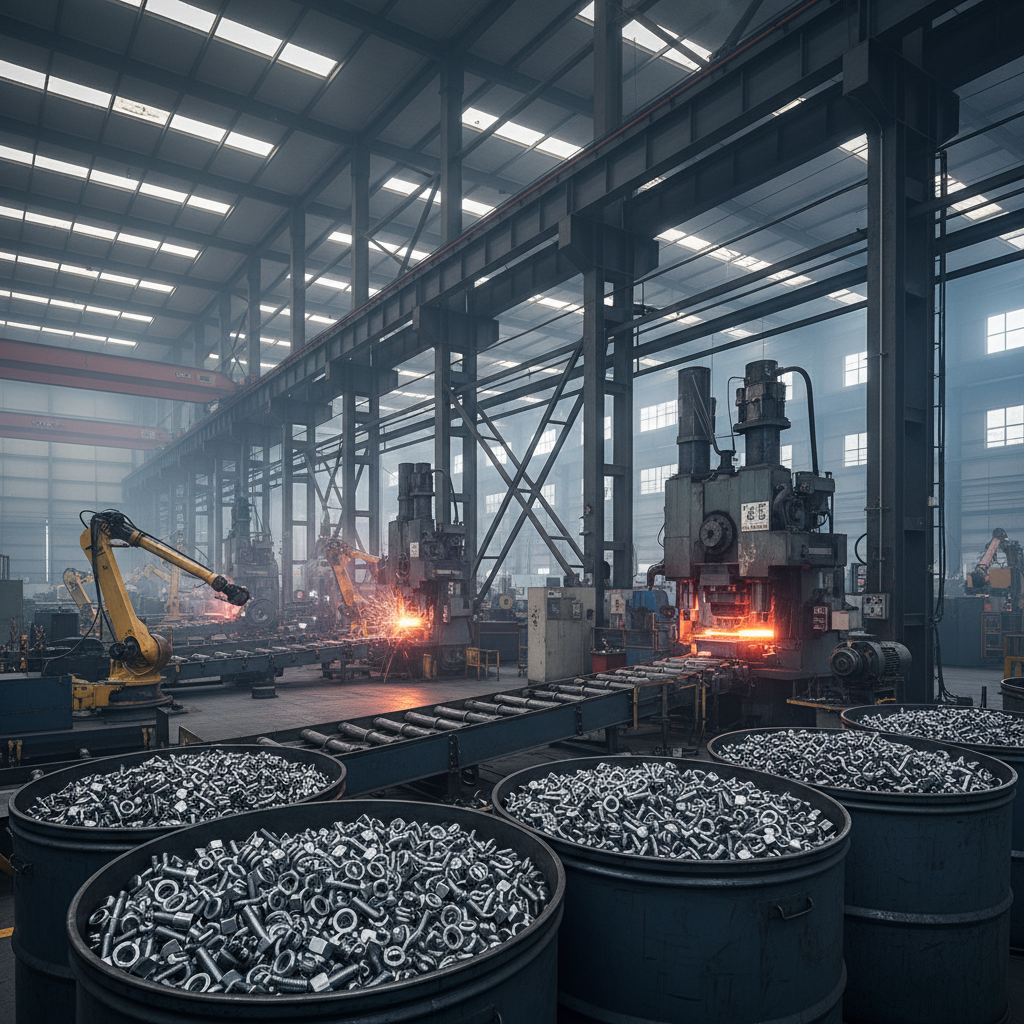
The Global Importance of Fastener Manufacturers
The global fastener industry is a significant economic force, with a market value estimated at over $80 billion and projected to continue growing. According to data from the International Organization for Standardization (ISO), demand for fasteners is closely tied to industrial production, construction activity, and automotive sales. Fastener manufacturers play a critical role in facilitating these key sectors, supplying essential components for a vast range of applications.
One of the major challenges facing industries reliant on fasteners is maintaining consistent quality and supply chain resilience. Disruptions in global supply chains, as highlighted during recent geopolitical events, have underscored the importance of diversifying sourcing and strengthening relationships with reputable fastener manufacturers. Ensuring a stable and dependable supply of high-quality fasteners is paramount for avoiding costly delays and maintaining operational efficiency.
Defining a Fastener Manufacturer
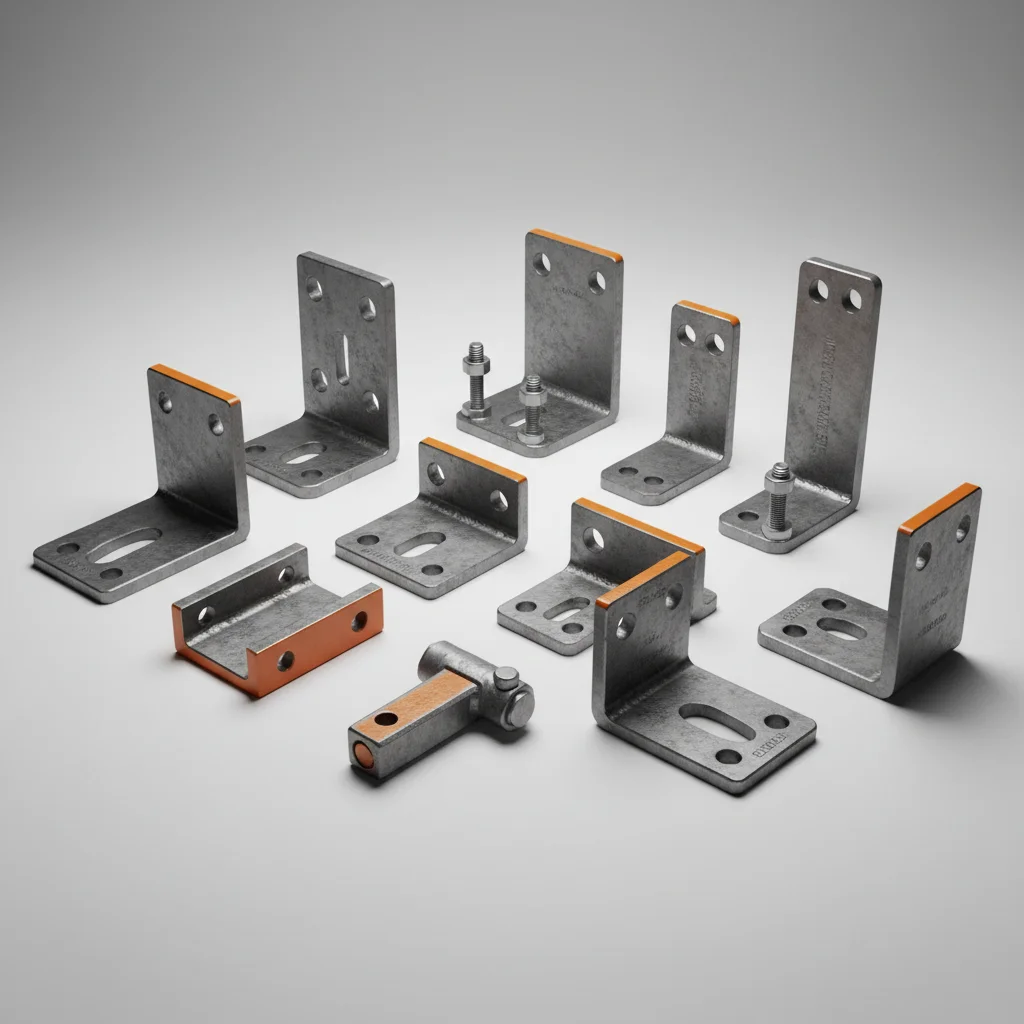
A fastener manufacturer is a company specializing in the design, production, and distribution of fasteners. These components are used to mechanically join or secure materials, preventing their separation. Fasteners come in an incredibly diverse range of types, including bolts, screws, nuts, rivets, washers, and specialized assemblies.
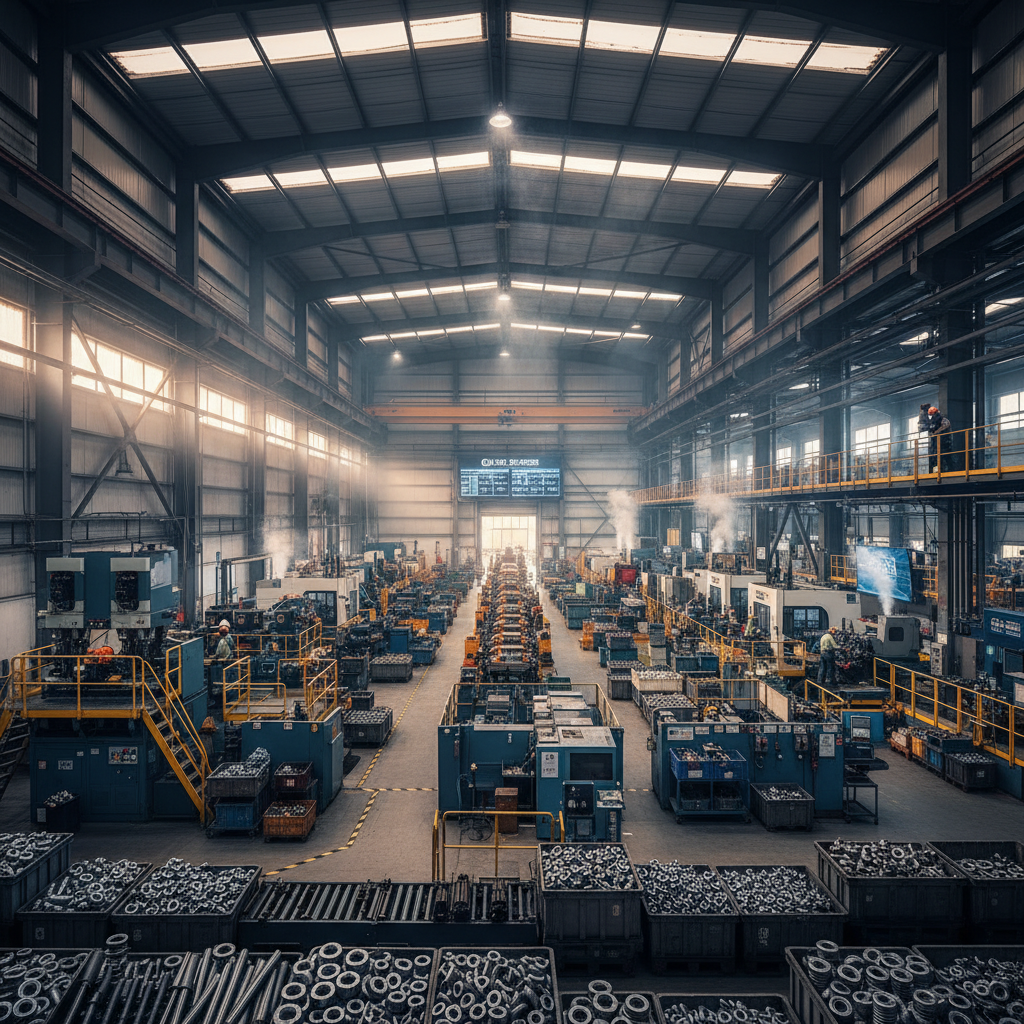
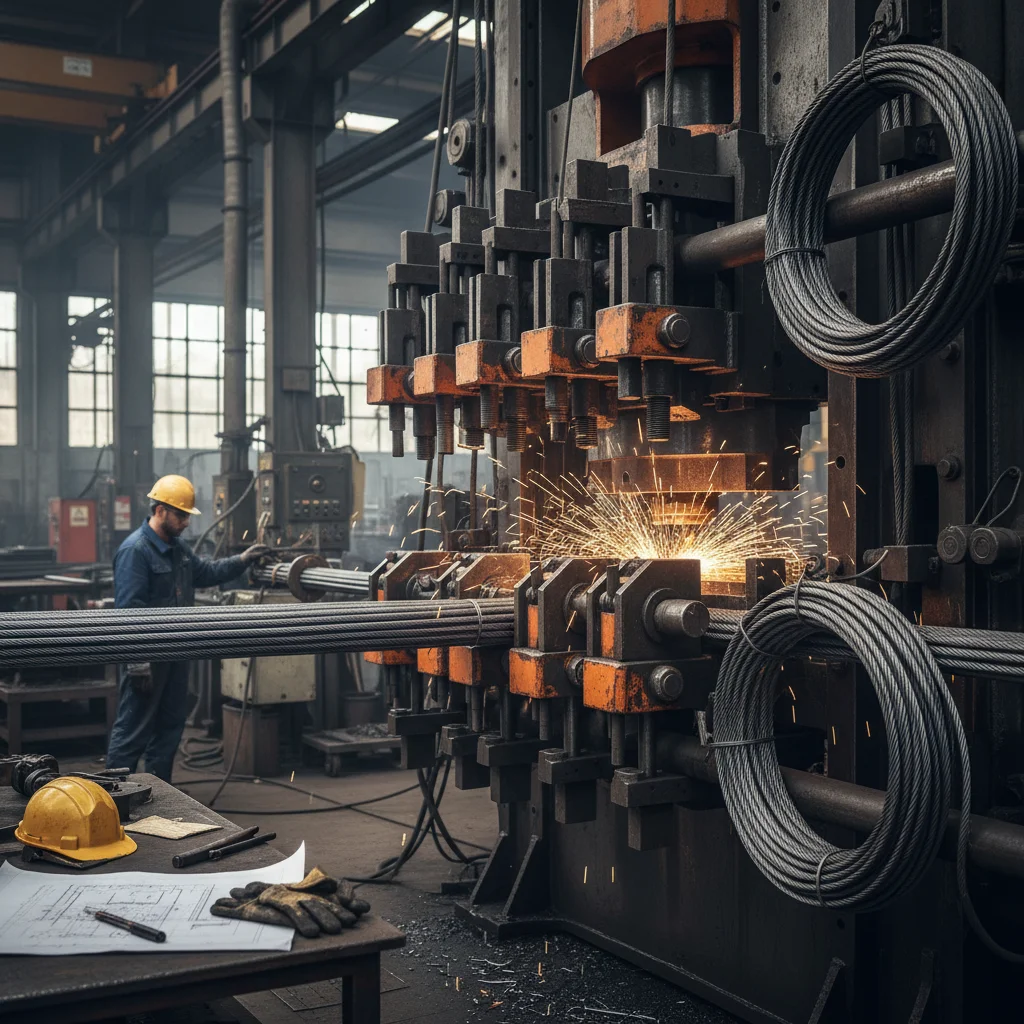
The role of a fastener manufacturer extends beyond simply producing these parts. It encompasses rigorous quality control, material selection, adherence to industry standards (such as ISO, ASTM, and DIN), and often, customized solutions to meet specific client requirements. A modern fastener manufacturer often leverages advanced manufacturing techniques, such as cold forming, hot forging, and precision machining.
The connection to modern industry is undeniable. Without reliable fasteners, the construction of buildings, vehicles, machinery, and countless other essential components would be impossible. From humanitarian needs, like securing shelters in disaster relief, to advanced technological applications in aerospace, a high-quality fastener manufacturer is a foundational element.
Core Components of a Successful Fastener Manufacturer
A successful fastener manufacturer isn't just about production volume; it’s about a holistic approach encompassing several crucial components. These include a commitment to material quality, utilizing alloys like stainless steel, carbon steel, and titanium based on application requirements. Skilled engineering teams are essential for designing fasteners that meet precise specifications and optimizing manufacturing processes.
Robust quality control procedures, often involving non-destructive testing and dimensional analysis, are paramount. Furthermore, a strong supply chain management system is vital for sourcing raw materials efficiently and ensuring timely delivery of finished products. Effective communication and collaboration with clients are also key to understanding their specific needs and delivering customized solutions.
Finally, a dedication to continuous improvement through research and development, embracing new technologies, and adapting to evolving industry standards sets leading fastener manufacturers apart. The ability to innovate and offer cutting-edge solutions is crucial for maintaining a competitive edge in the global market.
Key Factors in Fastener Manufacturing
Several key factors dictate the quality and reliability of fasteners produced by a manufacturer. Durability, a cornerstone of fastener performance, is heavily influenced by the material composition and heat treatment processes used during manufacturing. Scalability, the ability to efficiently ramp up production to meet growing demand, is crucial for serving large-scale projects.
Cost efficiency, achieved through optimized manufacturing processes and strategic sourcing of materials, allows manufacturers to offer competitive pricing without compromising quality. Material traceability, ensuring the origin and composition of materials are fully documented, is increasingly important for compliance and accountability. These factors all contribute to a manufacturer’s ability to deliver fasteners that meet rigorous standards and exceed client expectations.
Fastener Manufacturing Performance Metrics
Global Applications and Industry Impact
Fasteners are ubiquitous, finding application across virtually every industry. In the construction sector, high-strength bolts and screws are essential for erecting buildings, bridges, and infrastructure. The automotive industry relies heavily on fasteners for assembling vehicle components, ensuring structural integrity and passenger safety.
Aerospace applications demand fasteners made from specialized alloys, capable of withstanding extreme temperatures and pressures. The energy sector utilizes fasteners in wind turbines, solar panels, and oil & gas pipelines. In remote industrial zones, reliable fastener supply is critical for maintaining operational efficiency and preventing costly downtime.
Advantages of Partnering with Reliable Manufacturers
Partnering with a trusted fastener manufacturer offers substantial benefits. Reduced risk of failure and improved product reliability are paramount, ensuring the longevity and safety of assembled components. Cost savings can be realized through optimized pricing, efficient supply chain management, and reduced scrap rates.
Access to customized solutions, tailored to specific application requirements, is a significant advantage. Strong technical support and engineering expertise provided by the manufacturer can streamline the design and development process. A dedicated supply partner facilitates a more reliable and responsive workflow.
Future Trends and Innovations in Fastener Manufacturing
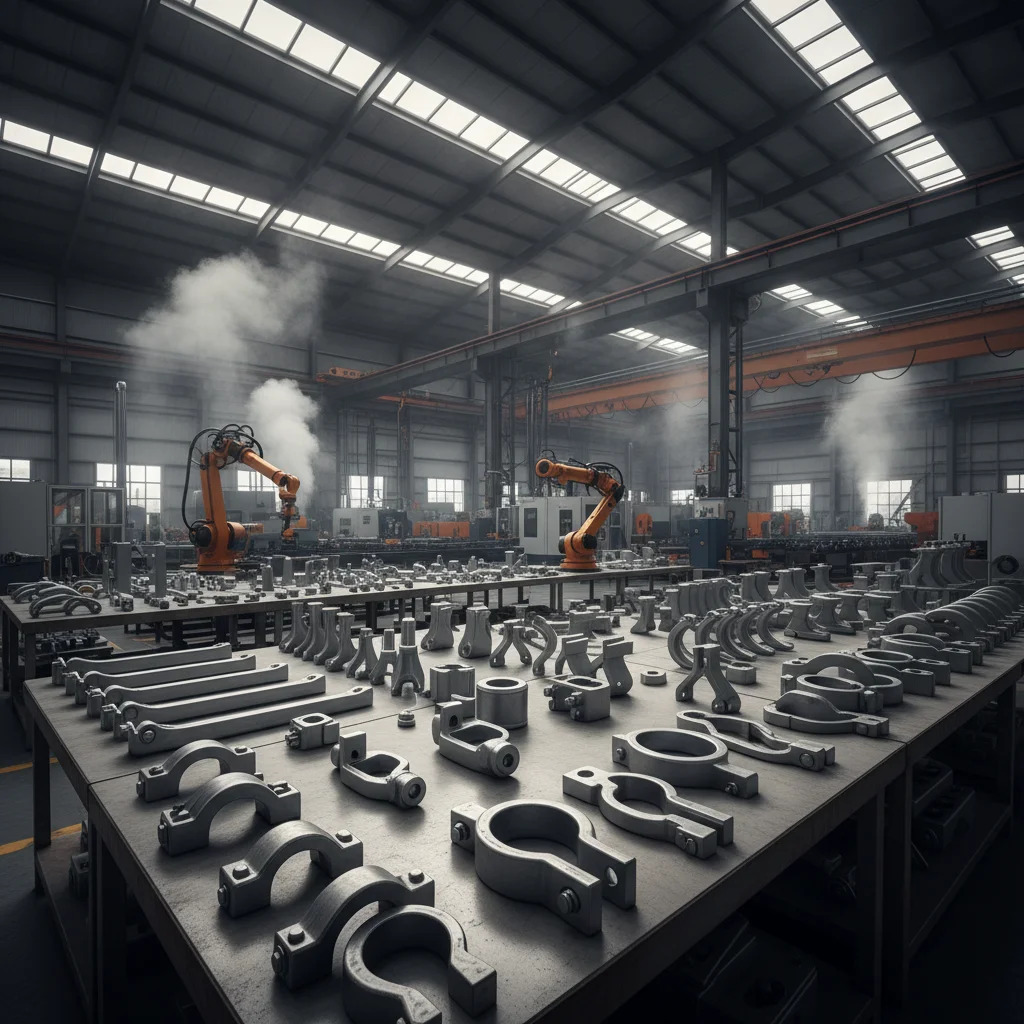
The future of fastener manufacturing is being shaped by several key trends. The adoption of Industry 4.0 technologies, such as automation, robotics, and data analytics, is driving increased efficiency and precision. The development of new materials, including lightweight alloys and bio-based polymers, is enhancing performance and sustainability.
Additive manufacturing (3D printing) is emerging as a viable option for producing complex fastener geometries and customized parts. Sustainability initiatives, focused on reducing waste and minimizing environmental impact, are gaining prominence. Smart fasteners, equipped with sensors and data transmission capabilities, are enabling predictive maintenance and improved asset management.
The demand for fasteners supporting green energy technologies, like wind and solar, is projected to rise significantly. Digital transformation, with increased use of cloud-based platforms and data sharing, is improving collaboration and supply chain visibility.
Addressing Challenges in Fastener Manufacturing
Despite advancements, fastener manufacturing faces ongoing challenges. Maintaining consistent material quality and traceability can be complex, particularly with global supply chains. Reducing manufacturing costs while upholding quality standards requires continuous innovation and process optimization.
Addressing the shortage of skilled labor in manufacturing is a critical concern. Adapting to evolving industry standards and regulatory requirements demands ongoing investment in training and compliance. Managing lead times and ensuring timely delivery can be challenging, particularly for customized fasteners.
Summary of Solutions for Addressing Challenges in Fastener Manufacturing
| Challenge |
Solution |
Implementation Cost (1-10) |
Potential ROI (1-10) |
| Material Quality Control |
Implement rigorous testing protocols and supplier audits. |
6 |
9 |
| Cost Reduction |
Invest in automation and lean manufacturing principles. |
8 |
8 |
| Skilled Labor Shortage |
Develop apprenticeship programs and invest in employee training. |
5 |
7 |
| Regulatory Compliance |
Establish a dedicated compliance team and implement robust documentation processes. |
7 |
9 |
| Lead Time Management |
Optimize inventory management and improve communication with suppliers. |
4 |
6 |
| Supply Chain Resilience |
Diversify sourcing and establish strategic partnerships with multiple suppliers. |
6 |
8 |
FAQS
A high-quality fastener manufacturer demonstrates a commitment to stringent quality control processes, utilizes premium materials, and adheres to relevant industry standards (like ISO). They also prioritize material traceability, offer robust testing capabilities, and provide excellent customer support. Their manufacturing processes are likely to be certified and regularly audited to ensure consistency and reliability of their products.
Fastener manufacturers employ a wide range of materials depending on the application. Carbon steel is a common and cost-effective choice for general purposes. Stainless steel offers superior corrosion resistance. Alloy steel provides increased strength and durability. Titanium is used in aerospace and other demanding applications due to its lightweight and high-strength properties. Brass and aluminum are also utilized for specific needs.
Material traceability is critically important, particularly in safety-critical applications. It allows manufacturers and end-users to verify the origin and composition of materials used in fasteners, ensuring they meet required specifications and standards. Traceability helps identify and mitigate potential risks associated with material defects or inconsistencies, preventing failures and ensuring product reliability.
Look for certifications demonstrating a commitment to quality management systems, such as ISO 9001. Specific industry certifications, like IATF 16949 for the automotive sector, are also valuable. Certifications related to environmental management (ISO 14001) and safety (OHSAS 18001/ISO 45001) indicate a responsible and sustainable manufacturing operation.
Automation plays a significant role in enhancing efficiency, precision, and cost-effectiveness in modern fastener manufacturing. Automated machinery is used for various processes, including cold forming, thread rolling, and quality inspection. Automation reduces labor costs, minimizes errors, and allows for high-volume production while maintaining consistent quality.
To ensure a reliable supply, establish strong relationships with multiple qualified fastener manufacturers. Consider factors like production capacity, geographic location, and lead times. Implement robust inventory management practices to maintain adequate stock levels. Regular communication and collaboration with your suppliers are crucial for anticipating potential disruptions and ensuring timely delivery.
Conclusion
In conclusion, fastener manufacturers are indispensable to a vast spectrum of industries, providing the critical components that underpin our built environment and technological advancements. Prioritizing quality, innovation, and sustainability is paramount for ensuring the long-term reliability and safety of assembled products. Partnering with reputable fastener manufacturers offers significant benefits, including reduced risk, cost savings, and access to customized solutions.
Looking ahead, the fastener industry will continue to evolve, driven by advancements in materials science, automation, and digital technologies. Investing in research and development, embracing sustainable practices, and fostering collaboration between manufacturers and end-users will be essential for navigating future challenges and unlocking new opportunities. For all your fastener needs, visit our website: www.topfastener.com