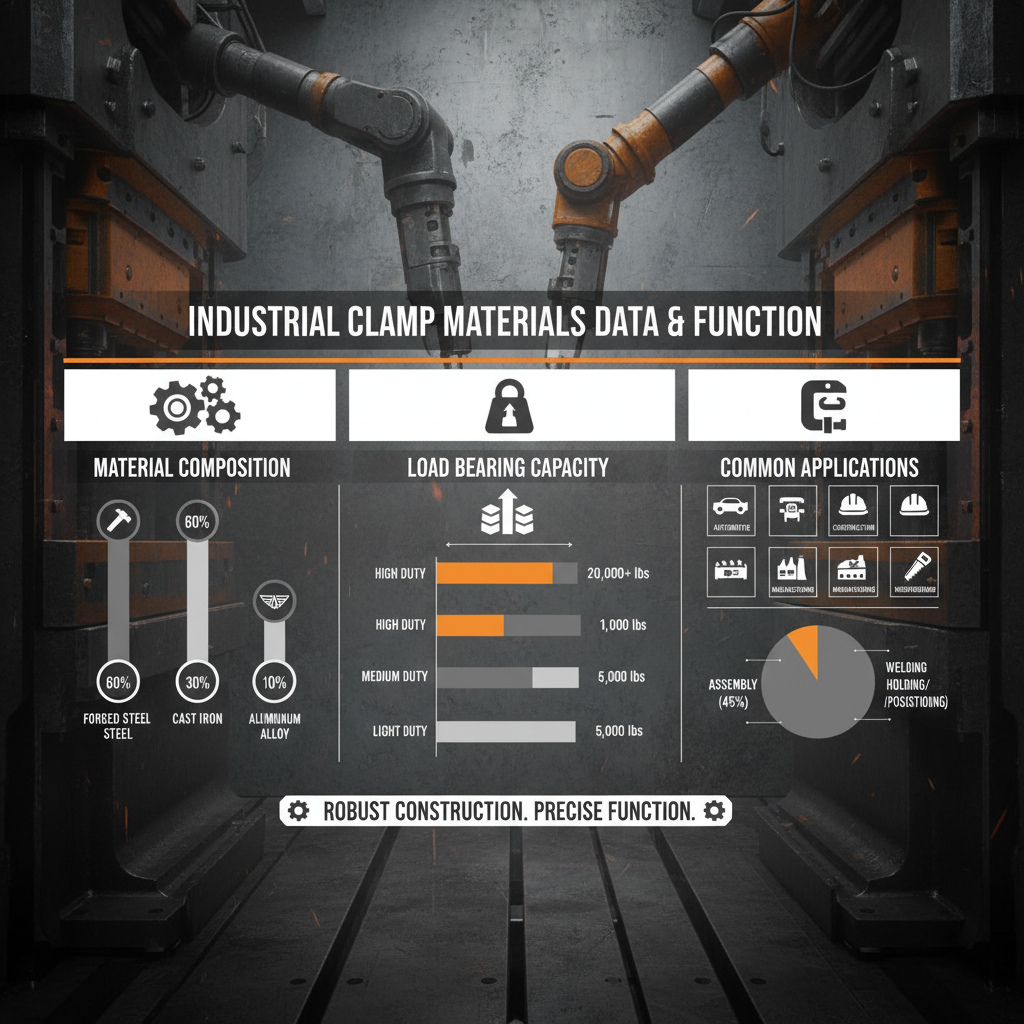
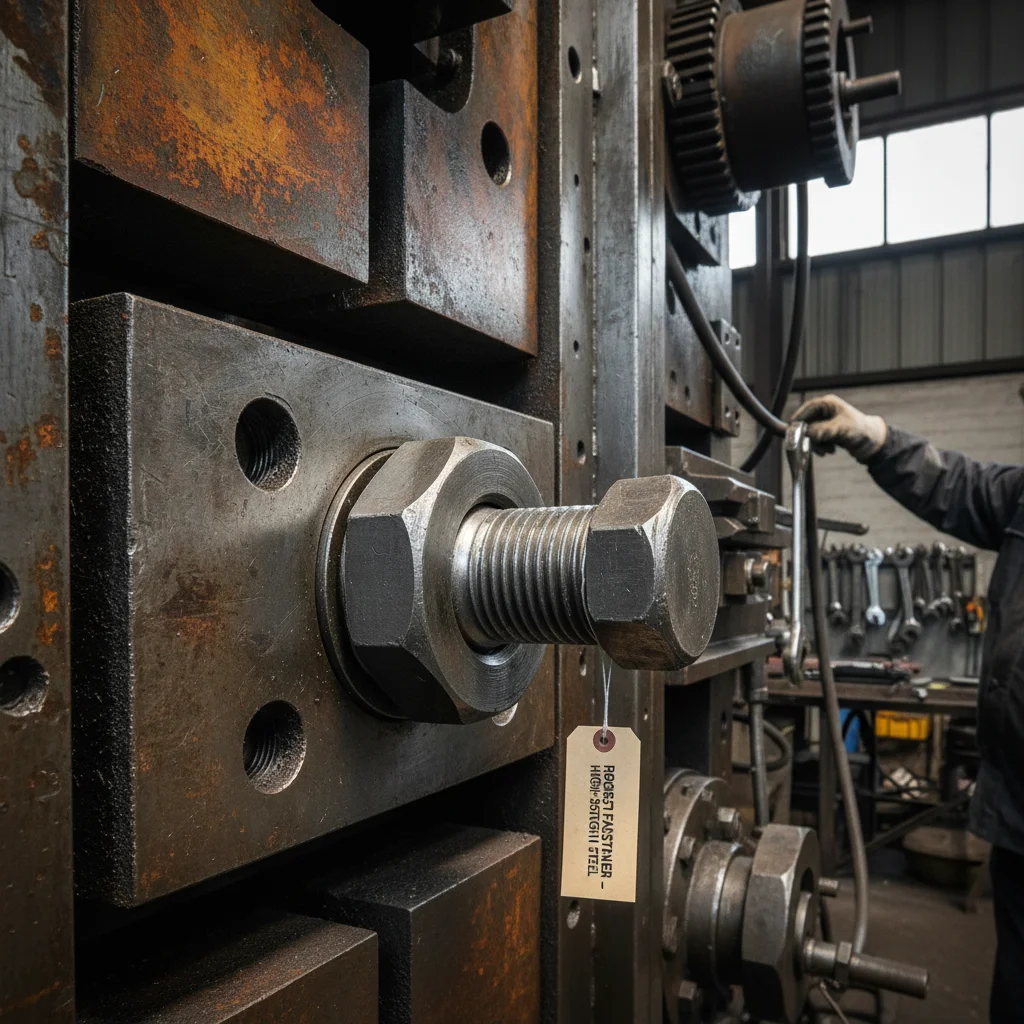
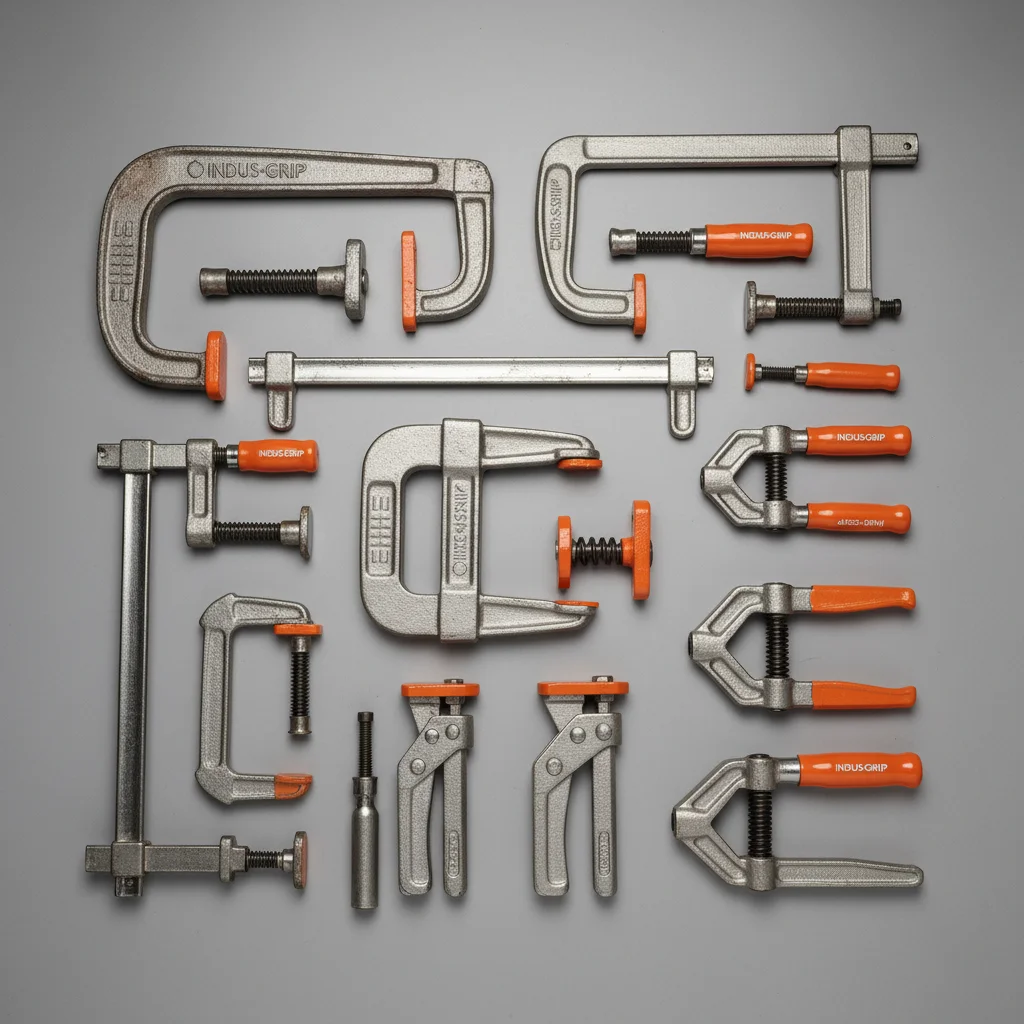
clamps materia are fundamental components in a vast array of industries, from construction and manufacturing to aerospace and medical technology. Their ability to securely join materials, withstand significant forces, and provide reliable connections makes them indispensable. Understanding the nuances of clamps materia, including their material properties, manufacturing processes, and application-specific designs, is crucial for engineers, designers, and procurement specialists seeking optimal performance and safety in their projects. The global demand for high-quality clamps materia continues to grow, driven by infrastructure development, industrial expansion, and increasing safety regulations.
The impact of clamps materia extends beyond purely technical considerations. Efficient and reliable clamping solutions contribute to reduced downtime, improved operational efficiency, and lower maintenance costs across diverse sectors. Furthermore, advancements in materials science and manufacturing techniques are leading to the development of clamps materia with enhanced properties, such as corrosion resistance, lightweight construction, and improved fatigue life. This innovation directly translates to longer-lasting, more sustainable, and cost-effective solutions for businesses and consumers alike.
The selection of appropriate clamps materia is paramount to ensuring the integrity and longevity of assembled structures and equipment. A thorough understanding of the underlying principles governing their behavior under various loads and environmental conditions is essential for preventing failures and maintaining operational safety.
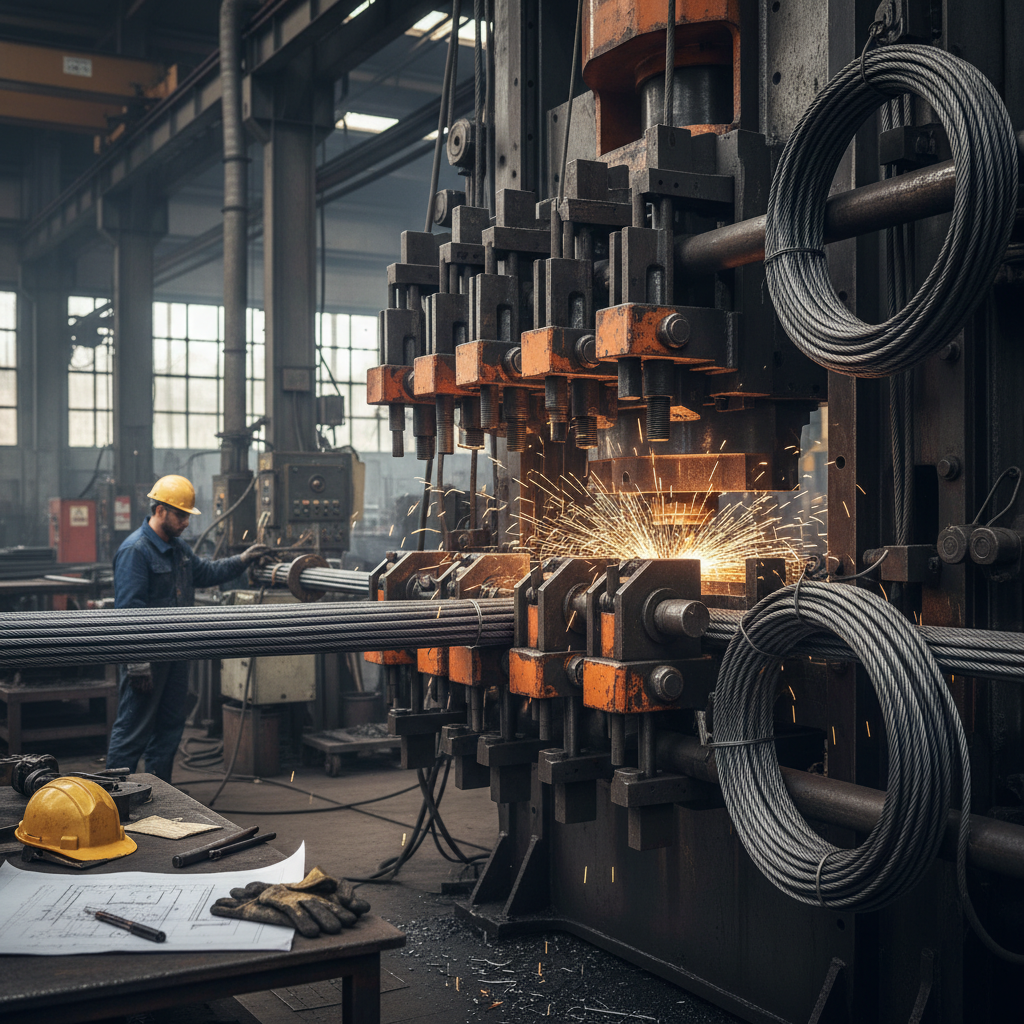
The Importance of clamps materia
clamps materia are critical for ensuring the structural integrity and functional reliability of countless systems and products. Their role transcends mere fastening; they are essential for transferring loads, maintaining alignment, and preventing unwanted movement. Without robust and appropriately selected clamps materia, the performance and lifespan of mechanical assemblies would be significantly compromised.
The increasing complexity of modern engineering designs necessitates a deeper understanding of clamps materia and their behavior under various operating conditions. As industries strive for greater efficiency, safety, and sustainability, the demand for innovative clamping solutions continues to drive research and development in this field. Choosing the right clamps materia is no longer a simple task, it’s a strategic decision that impacts overall project success.
Defining clamps materia
clamps materia encompass a wide range of fastening components designed to apply compressive force to join two or more objects securely. These materials can range from common metals like steel, stainless steel, and aluminum to advanced polymers, composites, and even specialized alloys. The specific material selection depends heavily on the application's requirements, including the loads involved, the operating environment, and desired lifespan.
Unlike welds or adhesives, clamps materia offer the advantage of being readily adjustable and removable, allowing for easy maintenance, repair, or modification of assembled structures. This non-destructive fastening method preserves the integrity of the joined materials, preventing localized heating or chemical alteration.
In the modern industrial landscape, clamps materia represent a versatile and cost-effective solution for a wide spectrum of fastening needs, connecting to vital aspects of modern industry and humanitarian efforts alike.
Core Characteristics of clamps materia
Several key characteristics define the performance and suitability of clamps materia for specific applications. These include tensile strength, yield strength, hardness, corrosion resistance, and fatigue life. Tensile strength dictates the material’s ability to withstand stretching forces, while yield strength determines its resistance to permanent deformation. Hardness is crucial for resisting wear and abrasion.
Corrosion resistance is particularly important in harsh environments, where exposure to moisture, chemicals, or extreme temperatures can degrade material properties over time. Fatigue life, the material’s ability to withstand repeated cyclic loading, is critical for applications subjected to dynamic forces. Understanding these properties and how they interact is essential for selecting the optimal clamps materia for a given task.
Furthermore, the manufacturing process significantly influences the final characteristics of clamps materia. Factors such as heat treatment, surface finishing, and precision machining all contribute to the material's overall performance and reliability. Consistent quality control throughout the manufacturing process is vital to ensure that clamps materia meet specified standards and deliver predictable results.
Key Performance Indicators for clamps materia
Evaluating the performance of clamps materia relies on a set of key performance indicators (KPIs) that quantify their effectiveness and reliability. These KPIs provide valuable insights into the material’s suitability for a specific application and facilitate informed decision-making.
Important KPIs include clamping force, preload loss, stress distribution, and vibrational resistance. Clamping force measures the pressure exerted by the clamp, while preload loss refers to the reduction in clamping force over time due to material relaxation or thermal effects. Assessing stress distribution ensures that loads are evenly distributed, minimizing the risk of premature failure.
KPI Comparison of Different clamps materia Methods
Global Applications of clamps materia
The applications of clamps materia are incredibly diverse, spanning numerous industries and geographical regions. In the construction sector, they are used to secure structural elements, connect piping systems, and fasten cladding materials. The automotive industry relies heavily on clamps materia for assembling engines, chassis components, and interior trim.
In the aerospace industry, lightweight and high-strength clamps materia are essential for constructing aircraft fuselages, wings, and engine nacelles. Medical device manufacturers utilize clamps materia to assemble surgical instruments, prosthetic limbs, and diagnostic equipment. Even in remote industrial zones, reliable clamps materia are essential for maintaining critical infrastructure.
The Long-Term Value of Utilizing clamps materia
Investing in high-quality clamps materia yields significant long-term benefits, extending beyond initial cost savings. Their durability and reliability contribute to reduced maintenance expenses, minimized downtime, and improved operational efficiency. Choosing the right clamps materia can also enhance safety by preventing structural failures and protecting personnel from potential hazards.
From a sustainability perspective, utilizing clamps materia that offer extended lifespans reduces the need for frequent replacements, minimizing waste and conserving resources. Furthermore, advancements in materials science are leading to the development of eco-friendly clamping solutions that reduce environmental impact.
Ultimately, the long-term value of clamps materia lies in their ability to deliver consistent performance, enhance safety, and contribute to a more sustainable future.
Future Trends in clamps materia Development
The field of clamps materia is undergoing continuous innovation, driven by emerging technologies and evolving industry needs. One key trend is the development of self-locking clamps that eliminate the need for separate locking elements, simplifying assembly processes and improving safety. Another area of focus is the creation of smart clamps that incorporate sensors to monitor clamping force, temperature, and vibration, providing real-time feedback on system performance.
Advancements in additive manufacturing (3D printing) are enabling the creation of customized clamps materia with complex geometries and optimized material properties. The integration of digital technologies, such as machine learning and artificial intelligence, is also revolutionizing clamp design and manufacturing, allowing for predictive maintenance and improved quality control.
These future trends promise to unlock new levels of efficiency, reliability, and sustainability in clamping solutions, further solidifying the importance of clamps materia across diverse industries.
Summary of Future Development Trends for clamps materia
| Trend Category |
Key Technologies |
Potential Impact |
Implementation Timeline |
| Self-Locking Mechanisms |
Spring-loaded designs, ratchet systems |
Reduced assembly time, increased safety |
Short-term (1-3 years) |
| Smart Clamps with Sensors |
Force sensors, temperature sensors, vibration sensors |
Predictive maintenance, real-time performance monitoring |
Medium-term (3-5 years) |
| Additive Manufacturing (3D Printing) |
Powder bed fusion, material extrusion |
Customized designs, optimized material properties |
Medium-term (3-5 years) |
| AI-Powered Design Optimization |
Machine learning algorithms, generative design |
Improved performance, reduced material usage |
Long-term (5+ years) |
| Sustainable Materials |
Bio-based polymers, recycled metals |
Reduced environmental impact, circular economy |
Ongoing |
| Micro-Clamping Solutions |
Micro-electromechanical systems (MEMS) |
Precision assembly, miniaturization |
Long-term (5+ years) |
FAQS
When dealing with high-vibration environments, factors like clamping force retention, material fatigue resistance, and the presence of locking mechanisms are crucial. Materials with high tensile strength and yield strength, like certain stainless steels or alloy steels, are often preferred. The use of self-locking nuts or vibration-resistant washers can significantly enhance the stability of the connection. Regular inspection and retightening are also essential to maintain clamping force over time.
Corrosion can severely compromise the performance of clamps materia by reducing their strength, stiffness, and clamping force. This can lead to premature failure and potential safety hazards. Preventative measures include selecting corrosion-resistant materials like stainless steel, applying protective coatings (e.g., galvanizing, powder coating), and using corrosion inhibitors. Regular inspection and maintenance are also vital, especially in harsh environments.
Metric and imperial clamps materia refer to different measurement systems used in manufacturing and engineering. Metric (millimeters) is the standard in most of the world, while imperial (inches) is primarily used in the United States and a few other countries. When possible, it's best to standardize on a single system to avoid confusion and compatibility issues. If working with existing equipment or components designed for a specific system, use the corresponding clamps materia. Conversion adapters can be used but are generally not recommended for critical applications.
Composite clamps materia offer several advantages over traditional metals, including lightweight construction, high strength-to-weight ratio, excellent corrosion resistance, and non-conductivity. They can also be tailored to specific applications by adjusting the composite material composition. However, composites may have lower temperature resistance and can be more expensive than metals. They are particularly well-suited for applications where weight reduction and corrosion resistance are critical.
Calculating the appropriate clamping force requires considering factors such as the applied load, the material properties of the clamped components, the friction coefficient between surfaces, and the desired safety factor. Empirical formulas and finite element analysis (FEA) can be used to determine the optimal clamping force. It’s crucial to ensure that the clamping force is sufficient to prevent slippage or separation under load, but not so high as to cause deformation or damage to the components.
Preload, the initial clamping force applied to a fastener, is crucial for maintaining joint integrity and preventing loosening. It creates tension in the fastener, which counters external loads and reduces the risk of fatigue failure. Proper preload ensures that the clamped components remain securely connected under dynamic conditions. Insufficient preload can lead to slippage and vibration, while excessive preload can cause fastener yielding or component deformation.
Conclusion
In conclusion, clamps materia are indispensable components in a wide range of industries, providing secure connections, enhancing structural integrity, and contributing to improved performance and safety. A thorough understanding of their material properties, performance characteristics, and application-specific considerations is essential for making informed decisions and achieving optimal results.
Looking ahead, continuous innovation in materials science, manufacturing techniques, and digital technologies will further enhance the capabilities of clamps materia, enabling the development of lighter, stronger, and more sustainable fastening solutions. Visit our website at www.topfastener.com to explore our extensive range of clamps materia and discover how we can help you meet your fastening needs.