In the complex world of industrial piping and infrastructure, the stability and longevity of a system often depend on the smallest components. stainless steel pipe hangers and brackets serve as the unsung heroes of structural integrity, ensuring that piping networks remain secure, aligned, and resistant to the degrading effects of environmental stress. From chemical processing plants to high-rise commercial buildings, the choice of support hardware directly impacts safety and operational efficiency.
Understanding the nuances of these supports is critical for engineers and procurement managers who face the challenge of balancing cost with extreme durability. The global shift toward sustainable construction and stricter safety regulations has pushed the industry away from carbon steel toward higher-grade alloys. By utilizing high-quality stainless steel, industries can virtually eliminate the recurring costs associated with rust-related failures and frequent maintenance cycles.
This guide provides a comprehensive exploration of stainless steel pipe hangers and brackets, examining their technical specifications, global applications, and the long-term value they bring to modern infrastructure. Whether you are dealing with cryogenic fluids or corrosive salt spray in marine environments, selecting the right support system is the first step toward a zero-failure piping architecture.
Global Relevance of Stainless Steel Pipe Supports
Across the globe, the demand for resilient infrastructure has surged, particularly in sectors like pharmaceuticals, oil and gas, and desalination. According to ISO standards for piping systems, the failure of a single support bracket can lead to catastrophic pipe sagging or rupture, especially in high-pressure environments. stainless steel pipe hangers and brackets have become the global gold standard because they mitigate the risks associated with atmospheric corrosion and chemical exposure.
The economic impact of corrosion is staggering, with the World Bank and various industrial reports highlighting billions of dollars lost annually to infrastructure decay. By implementing high-grade stainless steel supports, companies can significantly extend the lifecycle of their piping networks, reducing the frequency of unplanned shutdowns and ensuring compliance with stringent international safety codes.
Defining Stainless Steel Pipe Hangers and Brackets
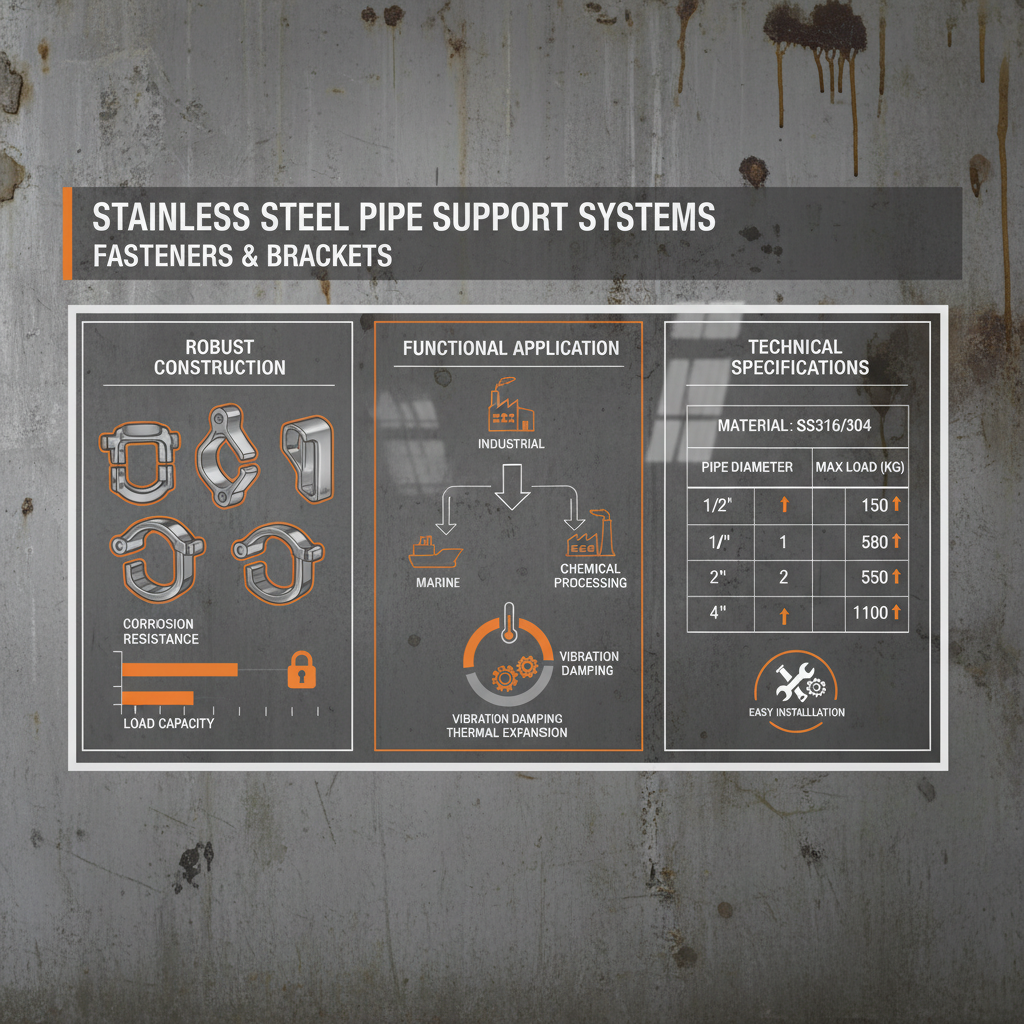
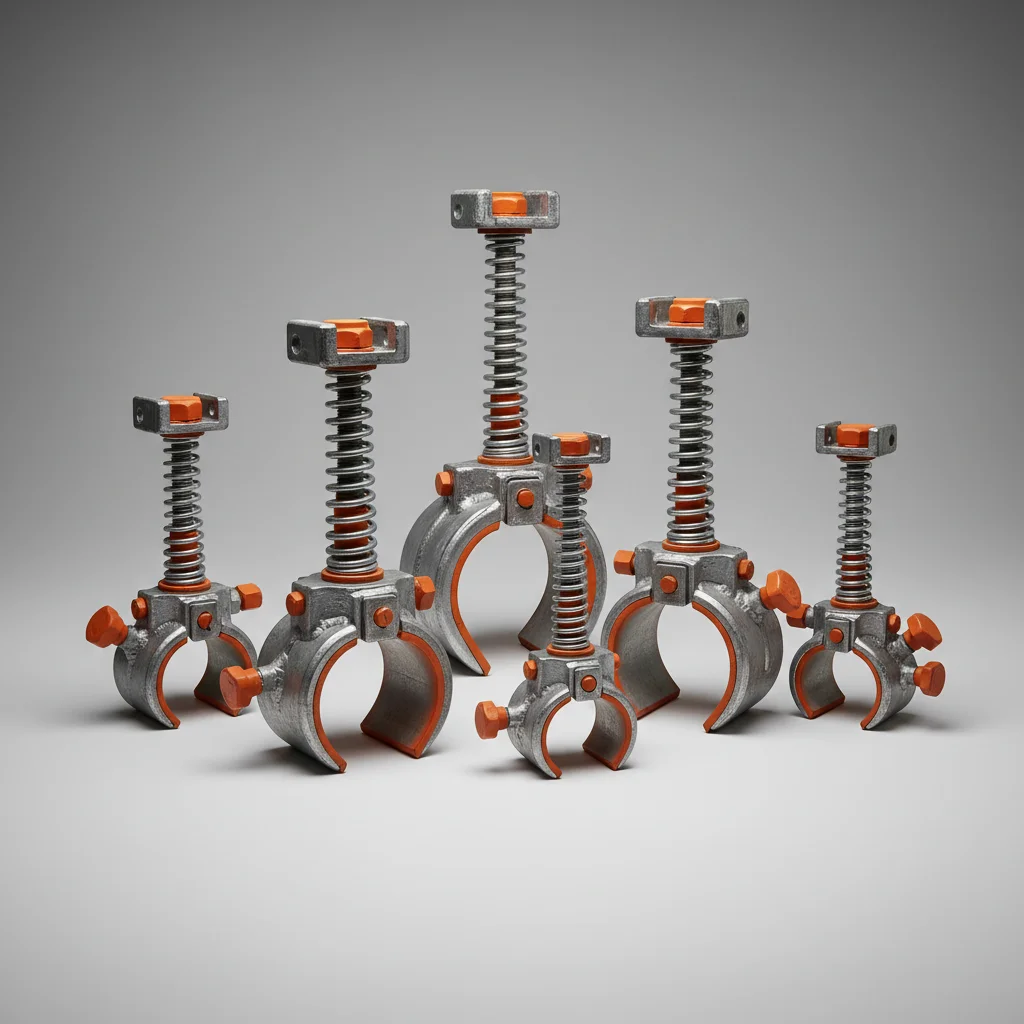
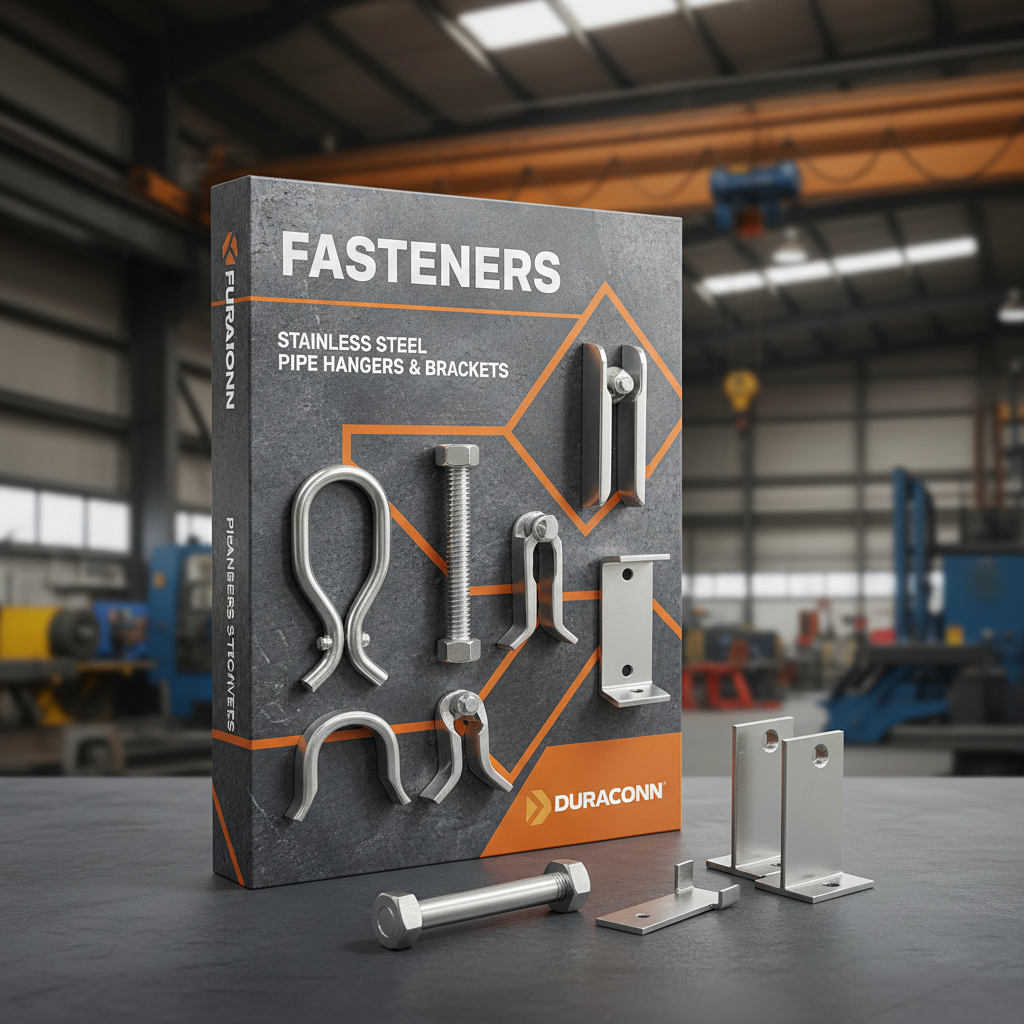
At its core, stainless steel pipe hangers and brackets are specialized hardware components designed to hold pipes in a fixed position, distribute weight evenly, and absorb vibrations. Hangers typically suspend pipes from an overhead structure using rods and clamps, while brackets provide rigid support from walls or floors. These components are crafted from various stainless steel grades (such as 304 or 316) to ensure they do not react with the pipes they support.
In the context of modern industry, these supports are more than just "holders"; they are engineered solutions for thermal expansion and contraction. When pipes carry hot steam or cryogenic liquids, they move. High-quality brackets are designed to allow for this movement without compromising the structural integrity of the building or the pipe itself, preventing stress fractures and leaks.
From a humanitarian perspective, these components are vital in the construction of clean water delivery systems in remote regions. Using corrosion-resistant stainless steel pipe hangers and brackets ensures that vital water infrastructure lasts for decades without requiring expensive repairs, providing reliable access to resources for underserved populations.
Key Factors Driving Support Performance
Durability is the primary driver when selecting stainless steel pipe hangers and brackets. The ability of the material to resist oxidation in humid or saline environments is what separates stainless steel from galvanized alternatives. This inherent resistance ensures that the load-bearing capacity of the bracket remains constant over twenty or thirty years of service.
Load-bearing scalability is another critical factor. Engineers must calculate the "dead load" (the weight of the pipe and fluid) and the "live load" (environmental vibrations or seismic activity). High-performance stainless steel pipe hangers and brackets are engineered with specific thickness and geometry to prevent deformation under maximum stress levels.
Lastly, cost-efficiency is viewed through the lens of Total Cost of Ownership (TCO). While the initial procurement cost of stainless steel is higher than carbon steel, the elimination of painting, coating, and frequent replacement makes it the more economical choice over the long term. This logical shift toward "quality first" reduces operational downtime and labor costs.
Global Applications and Real-World Use Cases
The application of stainless steel pipe hangers and brackets spans across every continent, adapting to diverse environmental challenges. In the coastal regions of Southeast Asia, where salt-laden air destroys most metals, 316-grade stainless supports are used in desalination plants to prevent systemic collapse. Similarly, in the Arctic regions of Canada, these supports are used in mining operations to withstand extreme temperature fluctuations.
In highly regulated industries such as food and beverage production in Europe, these supports are essential for maintaining "hygienic zones." Because they do not flake or rust, they prevent contaminants from falling into production lines. In post-disaster relief operations, modular piping for emergency sanitation often relies on these brackets for rapid, secure deployment in unstable terrains.
Performance Comparison of Stainless Steel Support Types
Long-Term Value and Economic Advantages
The true value of stainless steel pipe hangers and brackets lies in their ability to provide peace of mind. For a facility manager, the "hidden" benefit is the reduction of risk. When you know your supports will not fail due to corrosion, you reduce the likelihood of catastrophic leaks that could lead to environmental fines, worker injury, or total plant shutdowns.
Furthermore, from a sustainability standpoint, stainless steel is 100% recyclable. This creates a circular economy where the supports replaced during major renovations can be melted down and repurposed without loss of quality. This alignment with "Green Building" certifications (like LEED) adds tangible value to commercial real estate projects by increasing the overall sustainability score of the facility.
Future Trends in Piping Support Innovation
The industry is currently moving toward "smart supports." We are seeing the integration of sensors within stainless steel pipe hangers and brackets that can detect abnormal vibrations or stress levels in real-time. This shift toward predictive maintenance allows operators to identify a failing support before it causes a pipe rupture, transforming the bracket from a passive piece of metal into an active monitoring tool.
Additionally, additive manufacturing (3D printing) is allowing for the creation of custom-geometry brackets that optimize strength-to-weight ratios. By using topology optimization, engineers can remove unnecessary material from the bracket while maintaining its load-bearing capacity, reducing the overall weight of the piping system and lowering shipping costs.
We are also witnessing a rise in the use of "hybrid alloys" that combine the corrosion resistance of stainless steel with the extreme hardness of specialty ceramics. These new materials are designed for the next generation of hydrogen energy plants, where the chemistry of the fuel requires supports that are completely inert and immune to hydrogen embrittlement.
Overcoming Challenges in Support Installation
One of the most common challenges in the field is "galvanic corrosion," which occurs when stainless steel pipe hangers and brackets come into contact with different metals, such as carbon steel beams. To solve this, experts recommend the use of isolation pads or neoprene liners. These barriers prevent the electrochemical reaction that would otherwise lead to rapid corrosion at the contact point.
Another limitation is the difficulty of installation in tight, existing spaces. Retrofitting old plants often means there is no room for traditional bolted brackets. The solution has been the development of "snap-fit" or adjustable stainless steel hangers that can be expanded after being placed around a pipe, significantly reducing the labor hours required for installation.
Finally, ensuring precise alignment across long runs of piping can be tedious. Innovative solutions now include laser-guided installation kits that work in tandem with adjustable-height stainless steel pipe hangers and brackets, ensuring a perfect slope for gravity-fed systems and reducing the risk of fluid pockets or "slugging" within the lines.
Analysis of Support System Performance by Environment
| Environment Type |
Recommended Grade |
Expected Lifespan |
Maintenance Need |
| Indoor Commercial |
SS 304 |
25+ Years |
Very Low |
| Coastal/Marine |
SS 316 |
20+ Years |
Low (Rinsing) |
| Chemical Plant |
Duplex SS |
30+ Years |
Moderate |
| Food Processing |
SS 304L |
20+ Years |
Low (Cleaning) |
| Cryogenic Storage |
SS 316L |
40+ Years |
Very Low |
| Waste Water |
SS 316 |
15+ Years |
Moderate |
FAQS
The primary difference is the addition of molybdenum in Grade 316. While SS 304 is excellent for general indoor and moderately corrosive environments, SS 316 provides superior resistance to chlorides and salt spray. For marine applications or chemical processing, 316 is the professional choice to prevent pitting and crevice corrosion in stainless steel pipe hangers and brackets.
Galvanic corrosion occurs when two dissimilar metals touch in the presence of an electrolyte. To prevent this, you should use dielectric isolation. This involves placing a non-conductive material, such as rubber, neoprene, or specialized plastic shims, between the stainless steel pipe hangers and brackets and the supporting carbon steel structure.
No, they are typically cheaper over the lifecycle of the project. While the initial purchase price is higher than galvanized or carbon steel, you save significantly on labor and materials by eliminating the need for periodic repainting and the replacement of rusted supports. The "install and forget" nature of high-grade stainless steel reduces the Total Cost of Ownership (TCO).
Yes, provided the correct type of support is chosen. For pipes subject to thermal expansion, "sliding" brackets or hangers with roller inserts are used. These allow the pipe to move longitudinally while still providing the necessary vertical support, ensuring that the stainless steel pipe hangers and brackets do not apply excessive stress to the pipe joints.
Load capacity depends on the pipe diameter, the fluid weight, and the spacing between supports. You should consult the manufacturer's load chart and local building codes. Ensure the hanger's rated capacity exceeds your maximum expected load by a safety factor (usually 1.5x to 2x) to account for dynamic loads like water hammer or seismic events.
In most environments, stainless steel is maintenance-free. However, in highly saline or industrial areas, a periodic rinse with fresh water can remove salt deposits that might lead to pitting. Avoid using steel wool or carbon steel brushes for cleaning, as this can embed iron particles into the surface and cause "tea staining" or localized rust.
Conclusion
In summary, stainless steel pipe hangers and brackets are fundamental to the safety, efficiency, and longevity of any professional piping system. By prioritizing material grade and engineering precision, industries can mitigate the devastating effects of corrosion, reduce long-term maintenance costs, and ensure a stable infrastructure that meets the highest international safety standards.
Looking ahead, the integration of smart sensors and additive manufacturing will continue to redefine what we expect from structural supports. Investing in high-quality stainless steel today is not just a procurement decision, but a strategic commitment to reliability and sustainability. For those seeking the highest standards in industrial fastening and support, we invite you to explore our specialized range. Visit our website: www.topfastener.com