
December 04, 2025
Clamps come in a surprising number of clamps types, each serving a vital role in industries worldwide. Fundamentally, a clamp is a device that holds objects tightly together to prevent movement or separation. While it might seem straightforward, the diversity of clamp designs and technologies plays an indispensable role in manufacturing, construction, transportation, and even humanitarian sectors. Understanding these types is more than just a technical curiosity—it's a pathway to improving safety, efficiency, and innovation in global operations.
You might wonder why clamps should matter on a global scale. Well, consider the scale of industrial production worldwide: according to ISO standards, millions of manufacturing processes rely on secure fastening, often employing some type of clamp. From assembling automotive parts in Germany to holding structural elements in China’s skyscrapers, clamps ensure precision and safety every step of the way. The World Bank notes that efficient infrastructure development is crucial for economic growth, and clamps are a tiny yet critical part of that puzzle.
However, the challenge is that poor or inappropriate clamp selection can result in costly downtime or even accidents. Knowing the right clamps types for your application can mean the difference between seamless operations and avoidable failures.
In simple terms, clamps are devices used to hold objects firmly together. But saying that almost undersells their complexity. Clamps come in many shapes and sizes—each engineered for specific materials, loads, and environments. Whether it's the C-clamp holding a wood piece steady for carpentry, or a heavy-duty hydraulic clamp used in shipbuilding, their selection is deeply linked to the industry’s needs.
In contemporary settings—from assembly lines to emergency relief shelters—clamps help maintain stability, provide quick connections, and allow adaptability. Modern industries rely on this variability to solve complex challenges efficiently.
Durability is paramount. Clamps must withstand environmental factors like humidity, temperature changes, and chemical exposure. For example, stainless steel clamps resist rust in marine environments — a key factor in infrastructure along coastlines.
Different clamps handle different load requirements. Some are designed for light, temporary fixes, while others secure heavy components in place. Matching load capacity to the application avoids overengineering or risk.
Frankly, the simpler the operation, the better—especially in high-pressure or emergency situations where time is money or even a matter of safety.
Many operations require clamps that can adapt quickly to varying sizes and angles. Adjustable clamps open the door to scalability—useful in assembly lines or modular constructions.
Finding the balance between upfront cost and long-term value is technical but crucial. Sometimes a pricier clamp lasts longer and reduces overall expenses.
In real terms, clamps show up everywhere—from industrial factories in North America to disaster relief efforts in Southeast Asia. For instance, when NGOs deploy rapid housing post-natural disasters, they often use specific clamp types to assemble frame structures quickly and securely.
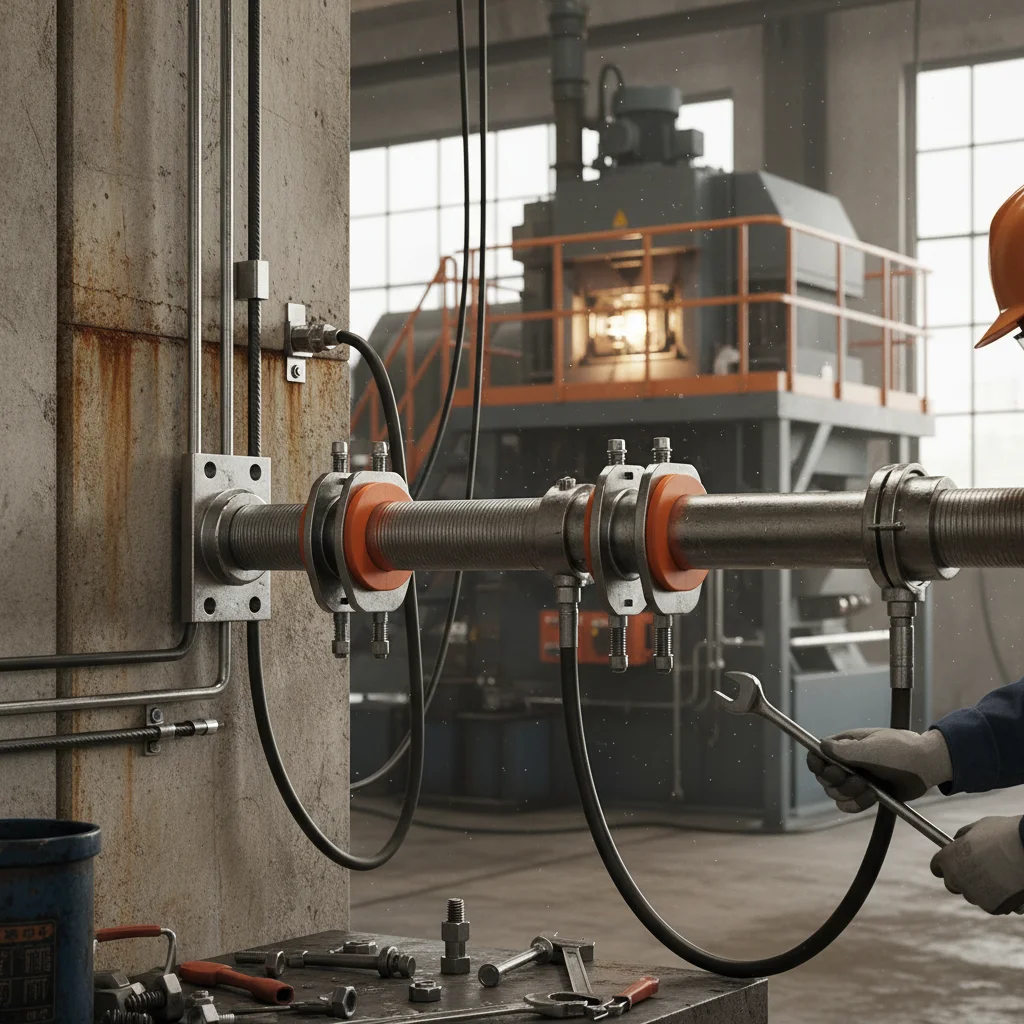
In manufacturing hubs like Japan and Germany, precision clamps hold components during automated machining. Meanwhile, in remote industrial zones, rugged clamps enable quick repair work with minimal tools. Even in renewable energy sectors, clamps play a role in securing solar panels and wind turbine components.
| Clamp Type | Material | Load Capacity | Typical Use |
|---|---|---|---|
| C-Clamp | Steel (various alloys) | Up to 500 lbs | Woodworking, metalworking |
| Spring Clamp | Plastic, metal | ~50 lbs | Light securing, crafts |
| Toggle Clamp | Steel, aluminum | Up to 2000 lbs | Assembly lines, welding |
| Pipe Clamp | Steel pipes & steel jaws | Varies by pipe and jaw | Wood glue-ups, frames |
| Hydraulic Clamp | Steel, hydraulic components | Up to 10,000 lbs+ | Heavy industry, shipbuilding |
| Supplier | Product Range | Innovation Level | Sustainability Focus | Global Reach |
|---|---|---|---|---|
| ClampCo International | Extensive (industrial & DIY) | High (smart clamps) | Medium (some recycled materials) | Europe, Americas, Asia |
| GlobalFasten Solutions | Medium (specialty clamps) | Medium (automation-ready) | High (fully recyclable) | North America, Australia |
| BuildTec Hardware | Broad (construction focus) | Low (traditional tech) | Low | Asia, Middle East |
When you peek ahead, clamps are evolving with materials science breakthroughs like carbon fiber composites that provide strength without weight. Digitization is also infiltrating clamp technology—"smart clamps" with embedded sensors now monitor tension and load in real-time, crucial for automated manufacturing or safety inspections.
Sustainability is becoming a front-runner. Vendors increasingly focus on green materials and reusable designs to align with circular economy principles. In renewable energy sectors, clamps engineered for extreme weather resilience are advancing rapidly.
No tool is perfect. Common challenges include corrosion, wear over time, and selection confusion among similar-looking clamps. But solutions abound. Coatings and galvanization improve lifespan. Modular clamp systems improve versatility, and virtual reality demos help customers choose the right clamp for their needs without guesswork.
In summing up, exploring the diverse world of clamps types reveals their quiet but powerful contribution to global industry and humanitarian efforts alike. From ensuring safety on construction sites to enabling quick deployment of emergency shelters, the right clamp choice delivers reliability, sustainability, and innovation.
Curious to find the perfect clamp for your project? Visit our website: https://www.topfastener.com for expert advice and a vast product catalog.
Quick takeaway: Never underestimate clamps—they're small, yes, but mighty in shaping how we build, fix, and innovate around the world.
References:
1. Wikipedia: Clamp (tool)
2. ISO Standards
3. World Bank Infrastructure Reports
Hit enter to search or ESC to close


![Chain Link 3″ [2 7/8″ OD] Industrial Gate Box Hinge – Butt Hinge (Pressed Steel)](https://images.cnmqh.com/images/a10068/f1-20260414064622.webp "Chain Link 3″ [2 7/8″ OD] Industrial Gate Box Hinge – Butt Hinge (Pressed Steel)")