
February 11, 2026
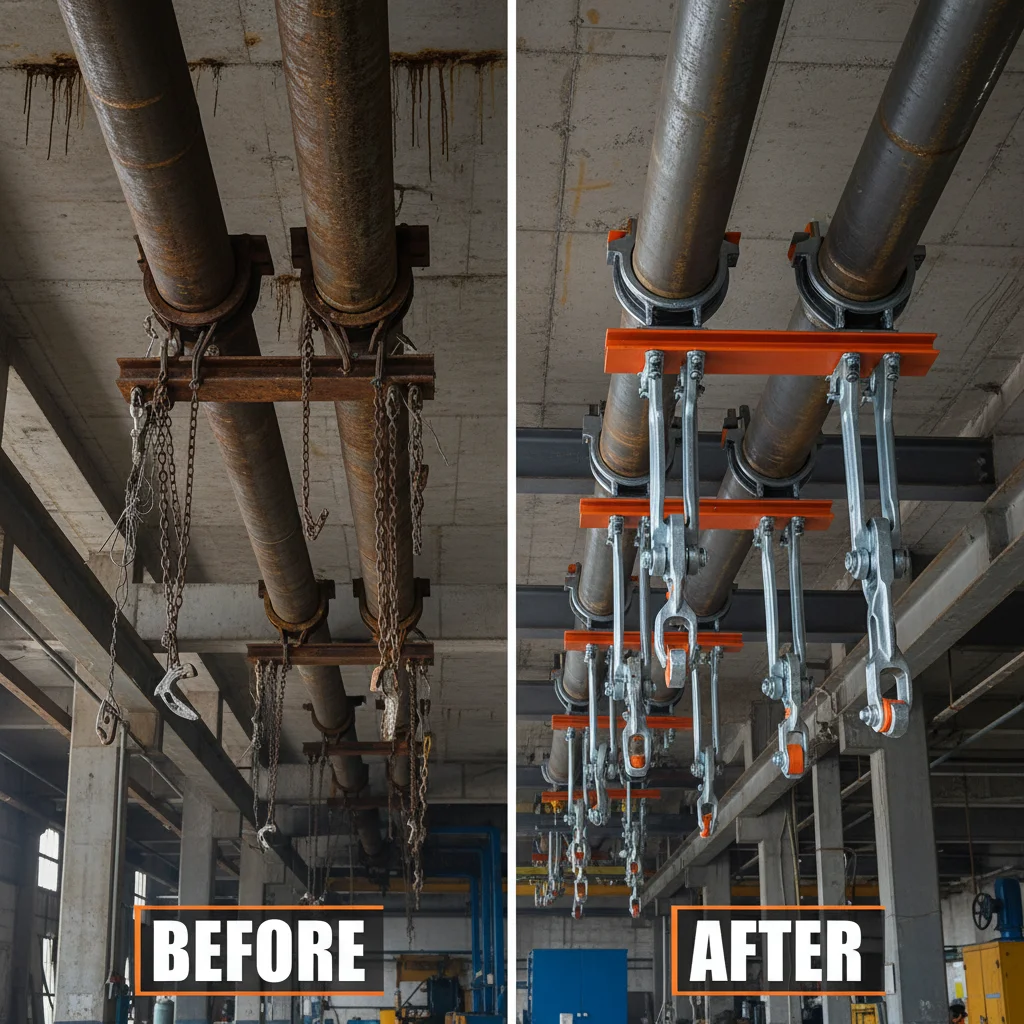
Effective pipeline support is crucial in various industries, from oil and gas to plumbing and HVAC. Spiral pipe hangers offer a versatile and reliable solution for suspending and supporting pipes, mitigating stress and preventing damage. This article will delve into the benefits, types, applications, and considerations for selecting the right spiral pipe hangers for your specific needs. Understanding these hangers is key to ensuring the longevity and safe operation of your piping systems. Top Fastener specializes in providing high-quality spiral pipe hangers for diverse industrial applications.
Spiral pipe hangers provide several advantages over traditional pipe support methods. Their inherent flexibility allows for pipe movement due to thermal expansion and contraction without inducing excessive stress. They are also relatively lightweight, easy to install, and offer excellent corrosion resistance, particularly when manufactured from stainless steel. Moreover, the spiral design evenly distributes the load, minimizing the risk of pipe deformation. These characteristics make them an ideal choice for a wide array of applications where reliability and longevity are paramount. Top Fastener's spiral pipe hangers are engineered for superior performance and durability.
Key Benefits: Flexibility to accommodate thermal movement, Lightweight for easy installation, Excellent corrosion resistance, and Even load distribution for minimal stress.
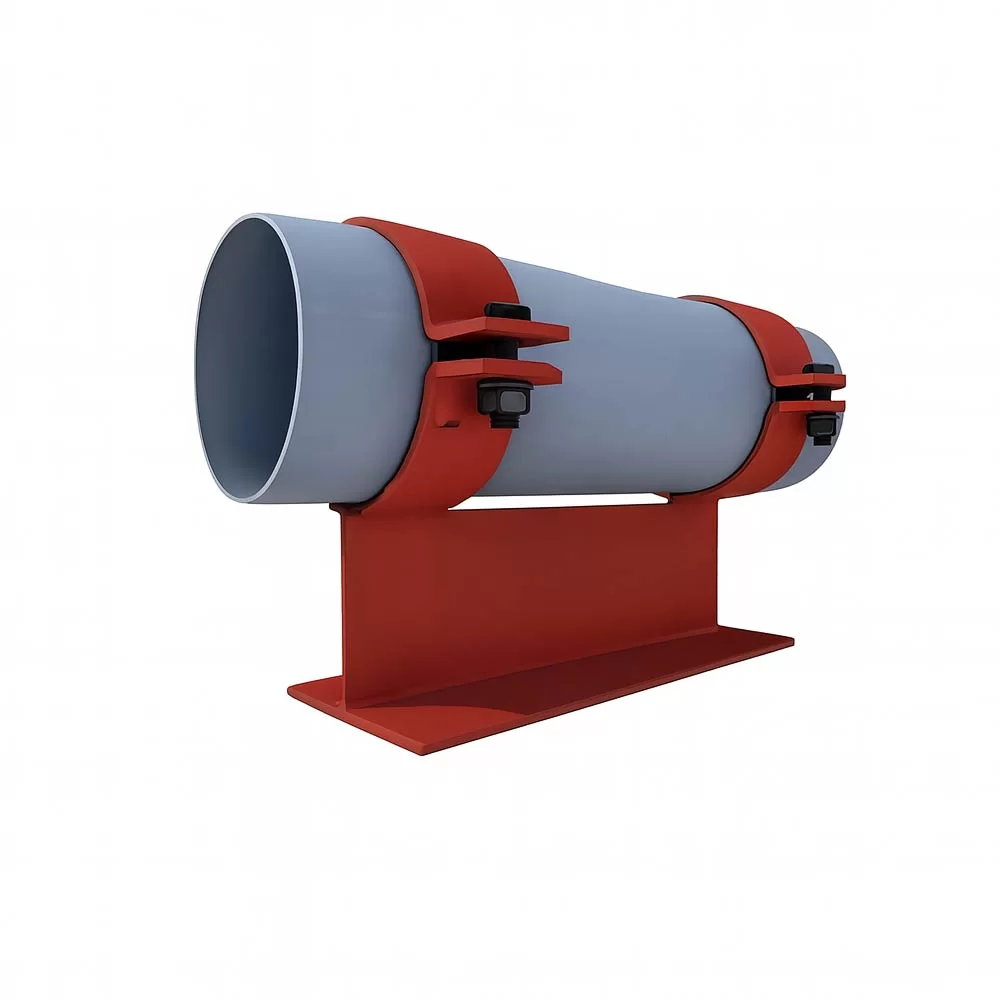
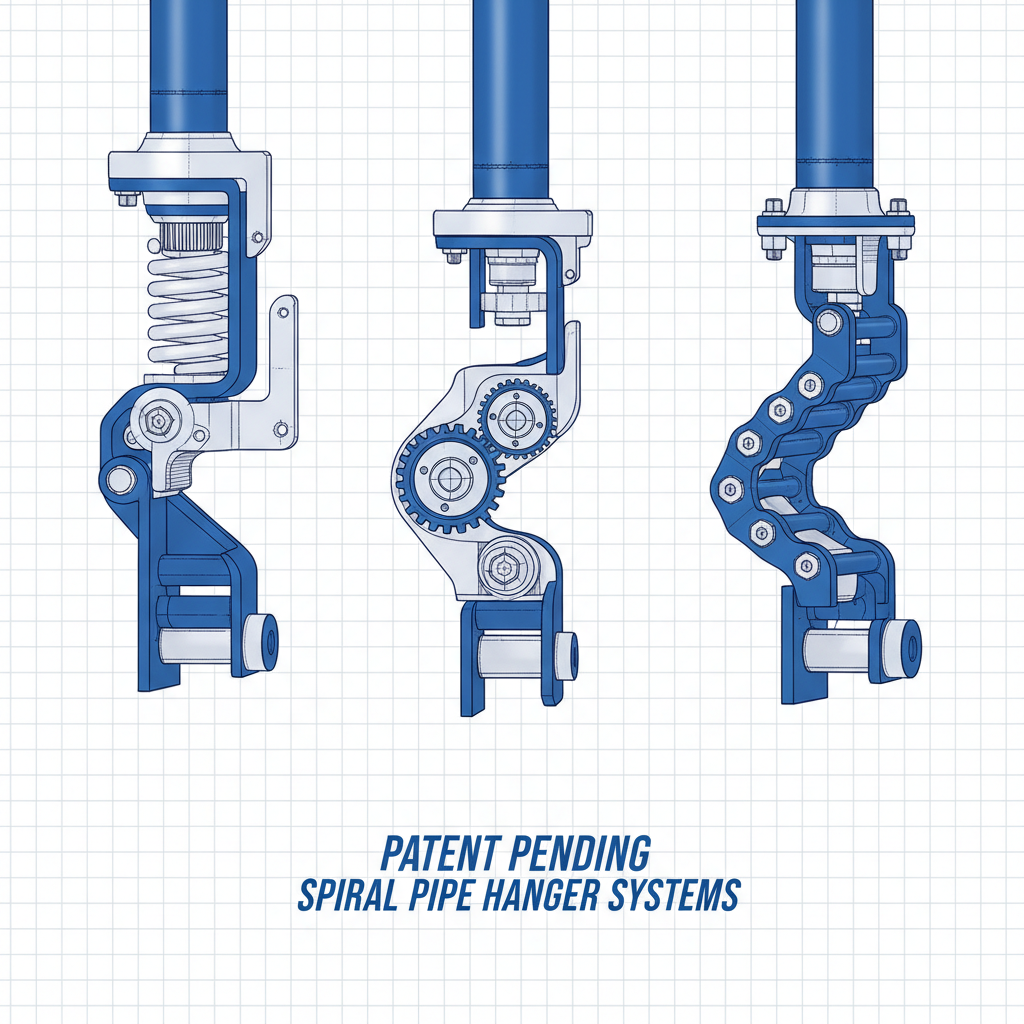
Spiral pipe hangers come in various configurations to suit different pipe sizes and support requirements. The most common types include:
The selection of the appropriate type depends on factors such as pipe weight, diameter, operating temperature, and the specific requirements of the installation.
Choosing the Right Type:
• Consider pipe weight and diameter.
• Evaluate operating temperature and potential thermal expansion.
• Assess the required load-bearing capacity.
Spiral pipe hangers are commonly manufactured from carbon steel and stainless steel. Carbon steel hangers are cost-effective and suitable for general applications. However, stainless steel hangers are preferred in corrosive environments, such as those found in chemical processing plants or offshore facilities. Selecting the appropriate material is crucial for ensuring the long-term reliability and safety of the piping system. Top Fastener offers both carbon steel and stainless steel options to meet diverse needs.
Spiral pipe hangers find widespread use across various industries, including:
Their adaptability and reliability make them suitable for both indoor and outdoor applications.
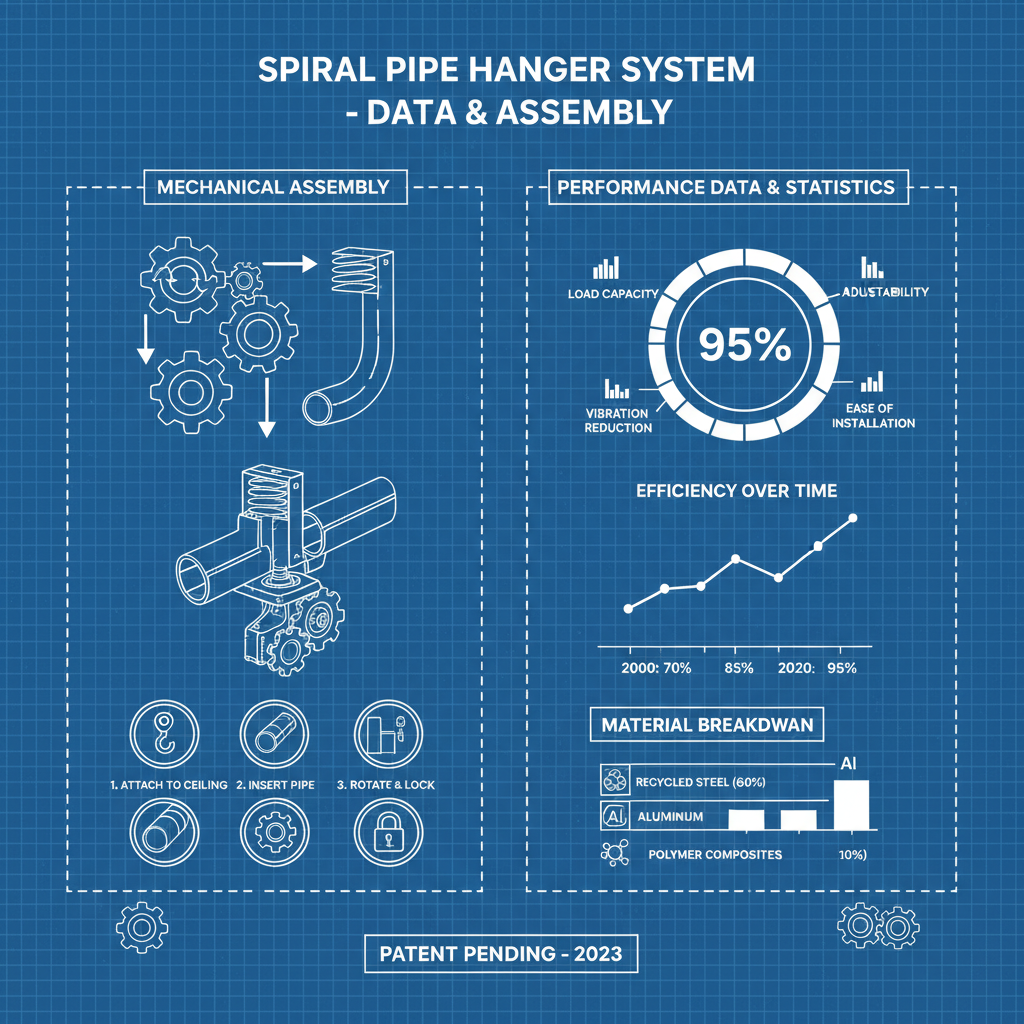
Proper selection of spiral pipe hangers involves considering several factors, including pipe size, weight, operating temperature, and environmental conditions. It's also crucial to adhere to relevant industry standards and regulations. Ensuring the hangers are appropriately sized and spaced is essential for providing adequate support and preventing pipe stress. Top Fastener's experienced team can assist you in selecting the optimal hangers for your specific application.
Choosing the right spiral pipe hangers is crucial for ensuring the safety, reliability, and longevity of your piping systems. Their flexibility, durability, and corrosion resistance make them a superior choice for a wide range of applications. Top Fastener provides high-quality spiral pipe hangers and expert assistance to help you find the perfect solution for your needs.
The load capacity varies depending on the diameter, material, and configuration of the hanger. Generally, single spiral hangers can support up to 50-100 lbs per hanger, while double spiral hangers can handle up to 150-200 lbs. However, it’s vital to consult the manufacturer's specifications for the specific hanger model and ensure it meets the requirements of your application. Factors such as dynamic loads and thermal movement should also be considered when calculating load capacity. Referencing engineering tables and consulting with a qualified professional is always recommended.
The spacing of spiral pipe hangers depends on pipe diameter, weight, and the support requirements of the system. A general rule of thumb is to space hangers no more than 8 to 10 feet apart for horizontal runs. However, this can vary based on the specific application. Factors such as pipe contents, operating temperature, and the presence of valves or other equipment can influence the optimal spacing. Consulting industry standards and a qualified engineer is recommended for precise spacing calculations.
Spiral pipe hangers can be used in seismic zones, but careful consideration must be given to their design and installation. It’s crucial to select hangers that meet relevant seismic standards and regulations. Using heavier-duty hangers, incorporating additional bracing, and ensuring proper anchoring are essential for withstanding seismic forces. A qualified engineer should perform a seismic analysis to determine the appropriate hanger type and spacing for your specific location and application. Top Fastener can provide guidance on selecting seismic-rated hangers.
Carbon steel spiral hangers are more cost-effective and suitable for general applications where corrosion is not a significant concern. Stainless steel hangers offer superior corrosion resistance and are ideal for harsh environments, such as those exposed to chemicals, saltwater, or extreme temperatures. While stainless steel is more expensive, it provides a longer service life and reduced maintenance costs in corrosive environments. The choice between carbon steel and stainless steel depends on the specific application and environmental conditions.
Hit enter to search or ESC to close


![Chain Link 3″ [2 7/8″ OD] Industrial Gate Box Hinge – Butt Hinge (Pressed Steel)](https://images.cnmqh.com/images/a10068/f1-20260414064622.webp "Chain Link 3″ [2 7/8″ OD] Industrial Gate Box Hinge – Butt Hinge (Pressed Steel)")