
March 24, 2026
Ensuring the safe and efficient operation of piping systems requires careful consideration of pipe hangers and supports. These components are critical for load distribution, preventing stress on pipes, and maintaining system integrity. This article provides a detailed overview of pipe hangers and supports, including types, selection criteria, and resources like PDF catalogs and technical specifications. Proper support systems are essential for preventing leaks, failures, and costly downtime. Understanding these systems is vital for engineers, contractors, and maintenance personnel alike.
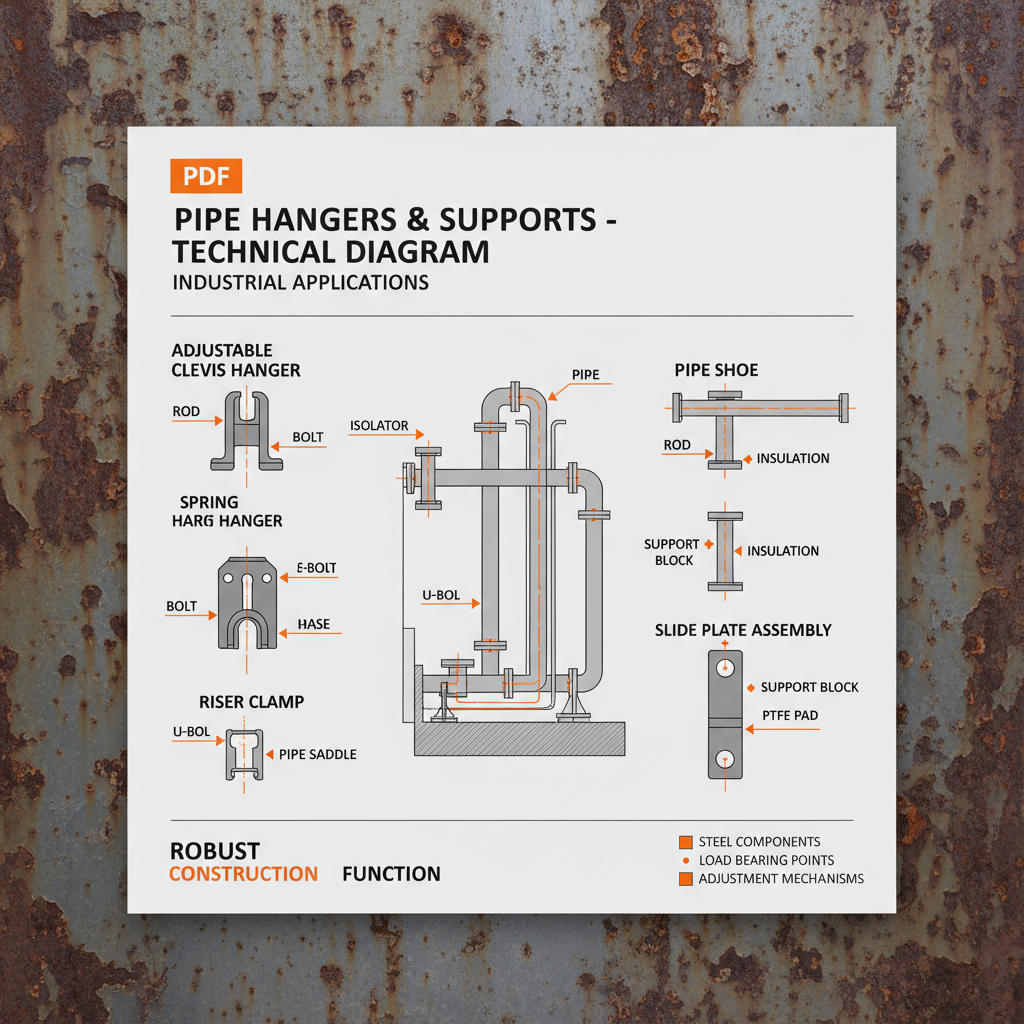
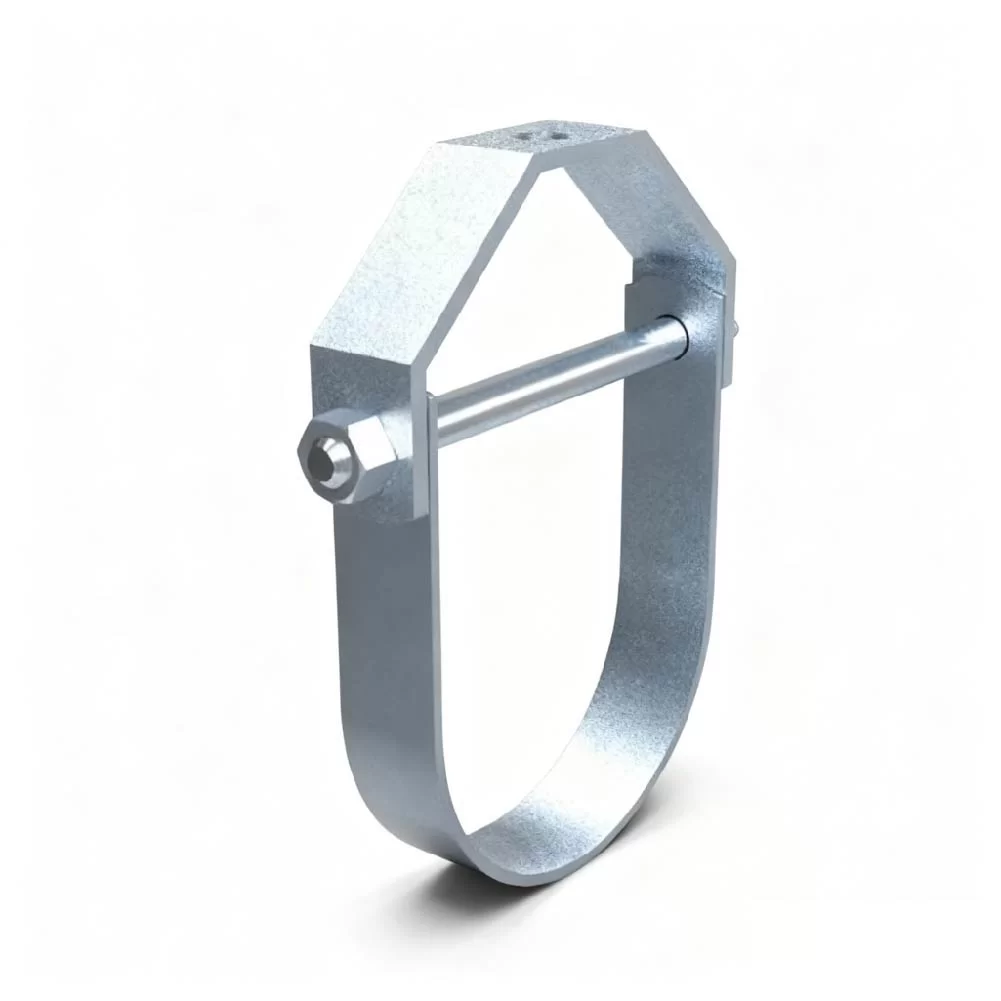
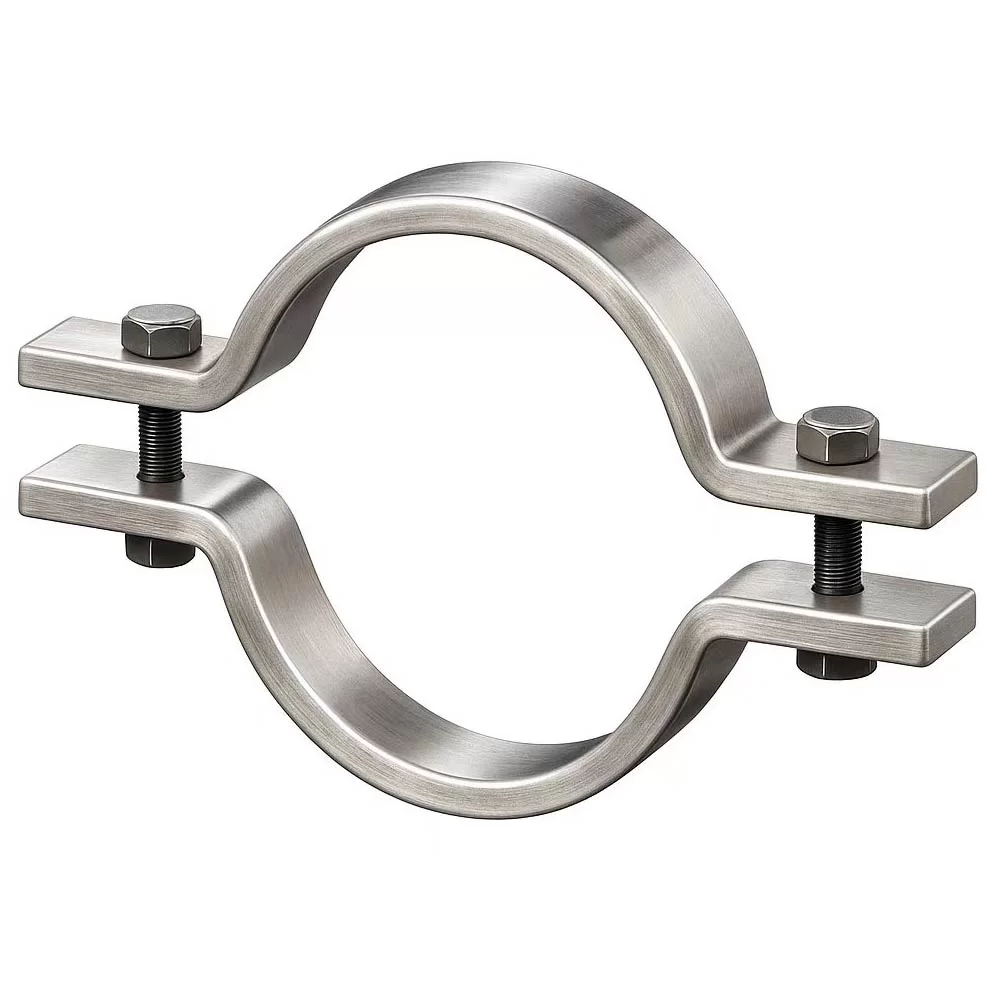
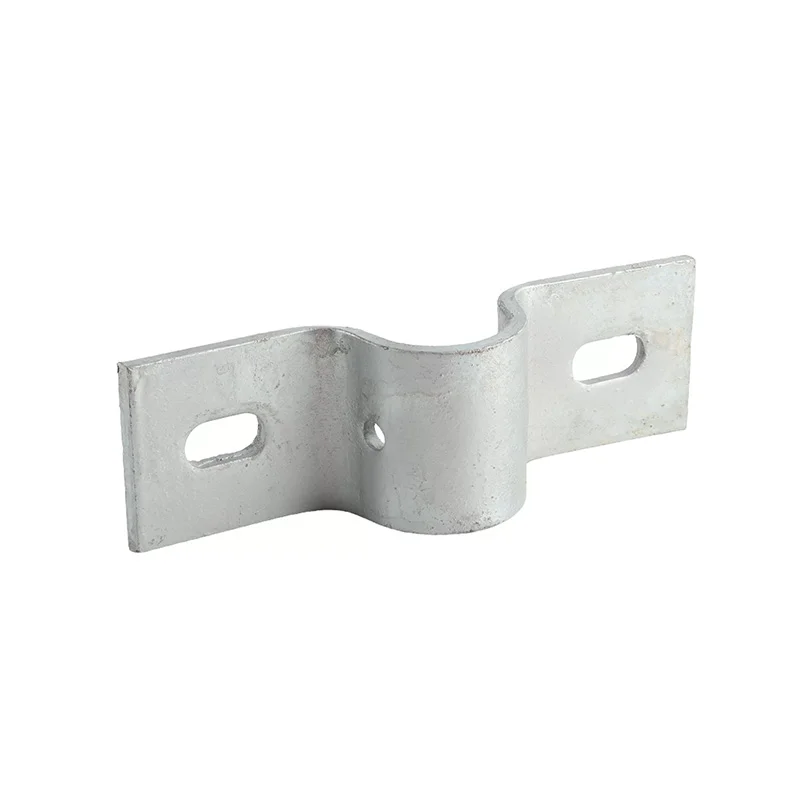
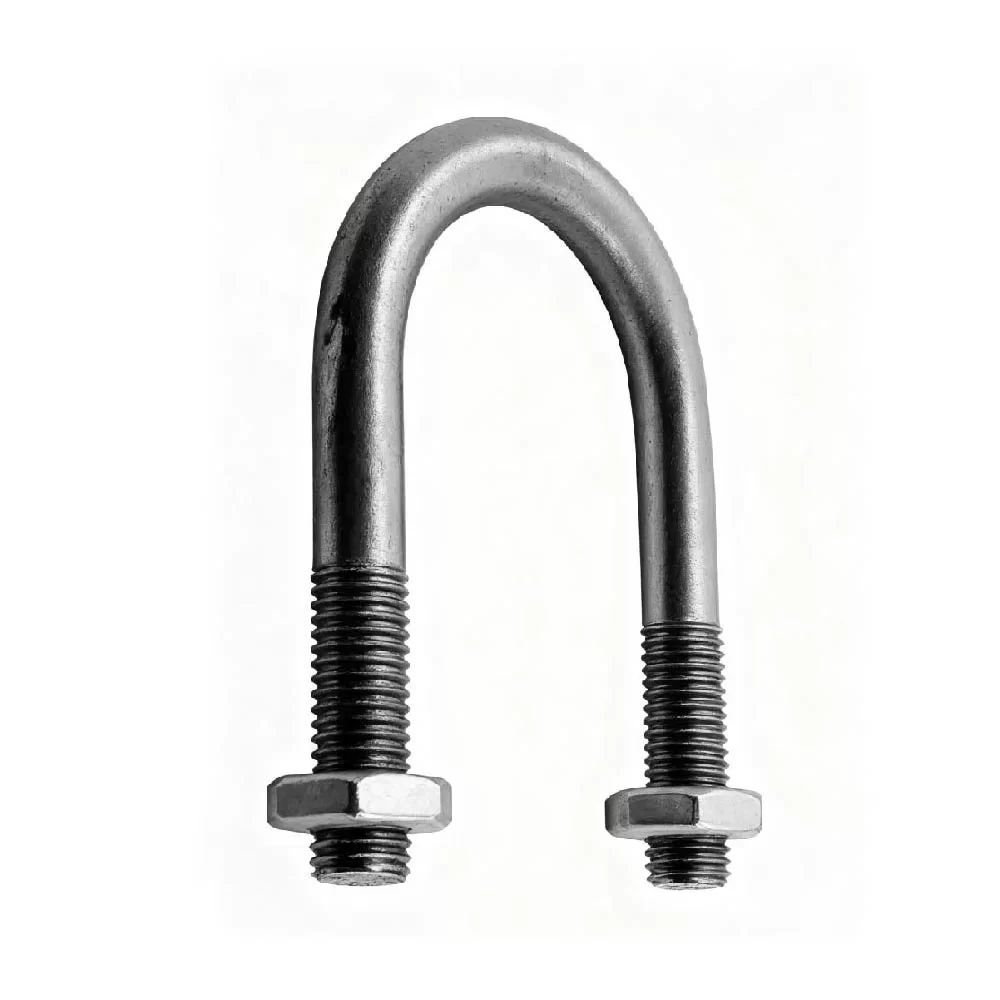
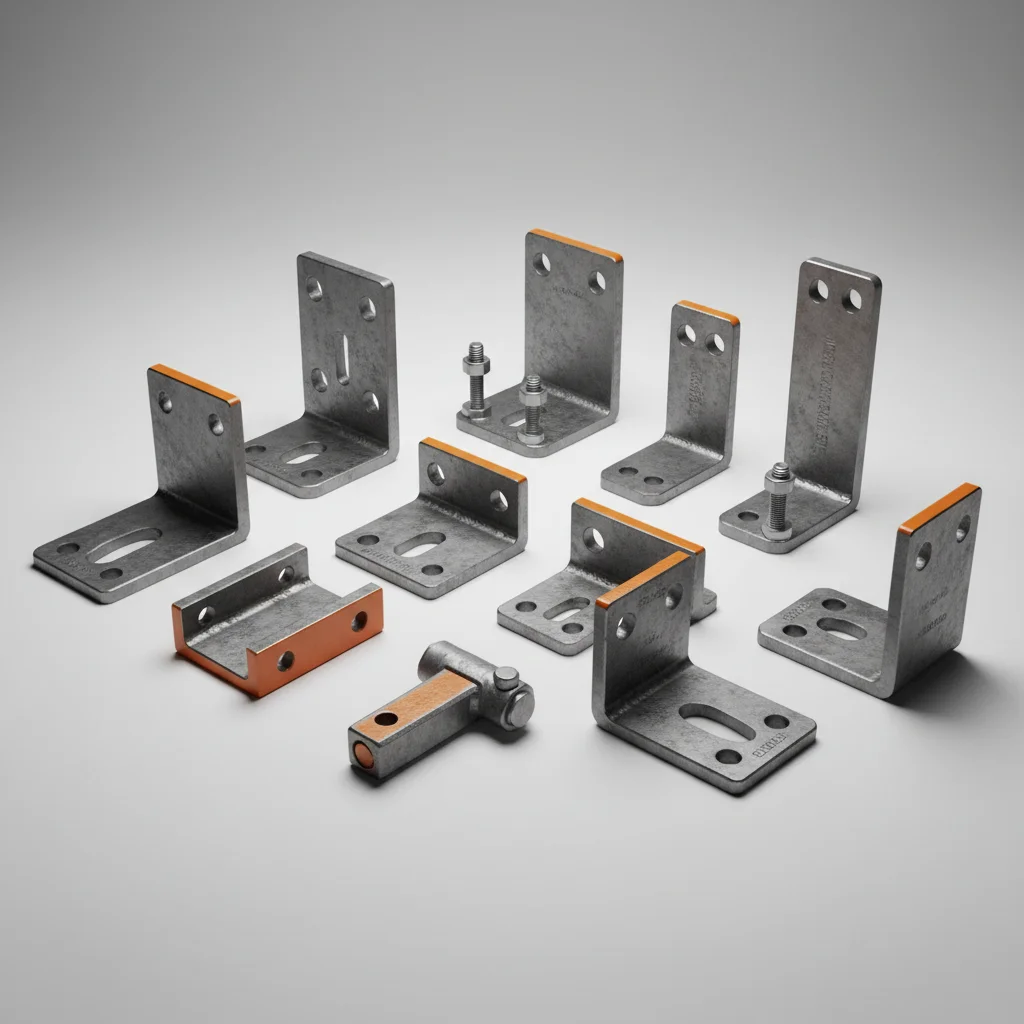
Pipe hangers and supports come in a wide variety of types, each designed for specific applications and load requirements. Common types include clevis hangers, U-bolts, rigid supports, spring supports, and sway braces. Clevis hangers are adjustable and suitable for light-to-medium loads, while U-bolts provide secure support for pipes running horizontally. Rigid supports are used for fixed points and to prevent movement, and spring supports accommodate thermal expansion and contraction. Sway braces prevent lateral movement and provide stability. Selecting the correct type depends on factors like pipe size, weight, operating temperature, and the surrounding environment. You can find detailed specifications in Top Fastener’s pipe support PDF.
Key Takeaway: The right pipe hanger or support depends on a careful assessment of the system’s specific requirements.
Accessing comprehensive pipe hangers and supports PDF catalogs from reputable suppliers like Top Fastener is crucial for informed decision-making. These catalogs provide detailed product information, including dimensions, load capacities, materials, and installation instructions. Having this information readily available streamlines the selection process, ensures compatibility with your piping system, and facilitates accurate ordering. Digital PDFs offer the convenience of easy searchability and accessibility. Utilizing these resources saves time and reduces the risk of errors.
Benefits of Using PDF Catalogs:
• Detailed product specifications
• Easy access to load capacity charts
• Convenient search functionality
• Streamlined ordering process
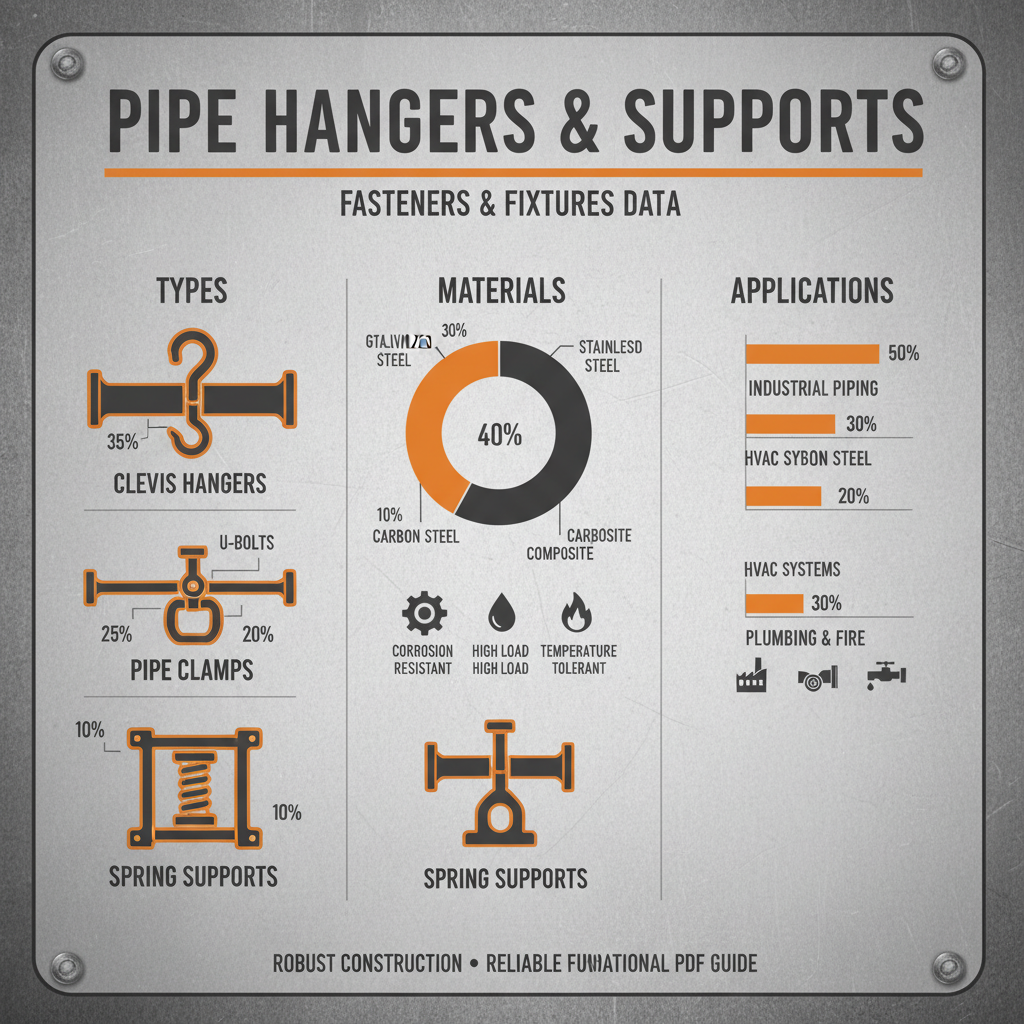
Pipe supports are manufactured from various materials, each with its own advantages and disadvantages. Carbon steel is a common choice due to its strength and cost-effectiveness, but it requires corrosion protection. Stainless steel offers superior corrosion resistance, making it suitable for harsh environments. Aluminum is lightweight and corrosion-resistant but has lower strength than steel. The ideal material depends on the application, operating conditions, and budget. The chart below provides a comparison of these materials.
Selecting the appropriate pipe hangers and supports requires considering numerous factors. Pipe size and weight are primary considerations, as they dictate the necessary load capacity. Operating temperature influences material selection, as thermal expansion and contraction can create stress on the system. The surrounding environment, including exposure to corrosive substances, also plays a critical role. Vibration, seismic activity, and potential impact loads must also be accounted for. It is important to consult with engineering professionals and refer to industry standards to ensure a safe and reliable piping system. Top Fastener’s technical support team can assist in the selection process.
Selecting and installing the right pipe hangers and supports is paramount to maintaining the integrity and longevity of piping systems. Utilizing resources like Top Fastener's comprehensive PDF catalogs ensures informed decisions and compliance with industry standards. By prioritizing quality and proper installation, you can minimize the risk of failures, leaks, and costly downtime.
Thermal expansion and contraction are natural occurrences in piping systems due to temperature fluctuations. Failing to account for these movements can induce significant stress on the pipes and supports, potentially leading to leaks or failures. Spring supports are specifically designed to accommodate these movements, allowing the pipe to expand and contract without putting undue strain on the system. Rigid supports, while providing stability, should be used strategically to avoid restricting thermal movement. The Top Fastener’s guides detail how to calculate thermal expansion and select appropriate supports.
Regular inspections of pipe supports are crucial for identifying potential issues before they escalate. A visual inspection should be conducted at least annually, and more frequently in harsh environments. Inspect for signs of corrosion, damage, or loosening of connections. Check the integrity of welds and ensure that the supports are still providing adequate support. Maintain a record of inspections and any corrective actions taken. It's recommended to follow a preventative maintenance schedule outlined in industry standards.
Sway braces are designed to prevent lateral movement of piping systems, particularly in areas prone to vibration or seismic activity. They typically consist of diagonal braces that connect the pipe to supporting structures. Sway braces are essential in systems where lateral forces could cause the pipe to buckle or collide with other components. They are commonly used in areas with high wind loads, near pumps or compressors that generate vibration, or in seismically active regions. Refer to engineering calculations to determine the appropriate size and placement of sway braces.
Several industry standards govern the design and installation of pipe supports. Commonly referenced standards include those published by the American Society of Mechanical Engineers (ASME) and the Piping Systems and Components (PSC) standards. These standards provide guidelines on load calculations, material selection, and installation procedures. Local building codes may also have specific requirements for pipe support systems. Consulting with a qualified engineer and adhering to relevant standards is essential to ensure a safe and compliant installation. Top Fastener can provide resources related to these standards.
Hit enter to search or ESC to close