
April 09, 2026
In the world of industrial piping and structural support, stability is not just a preference—it is a safety requirement. A high-quality pipe shoe clamp plays a critical role in supporting pipelines, managing thermal expansion, and reducing stress on pipe walls. Whether you are dealing with high-temperature steam lines or heavy industrial fluids, the right clamping solution prevents sagging and potential system failures. In this comprehensive guide, we will explore the technical nuances of these components and how to choose the perfect fit for your infrastructure to ensure long-term operational efficiency.
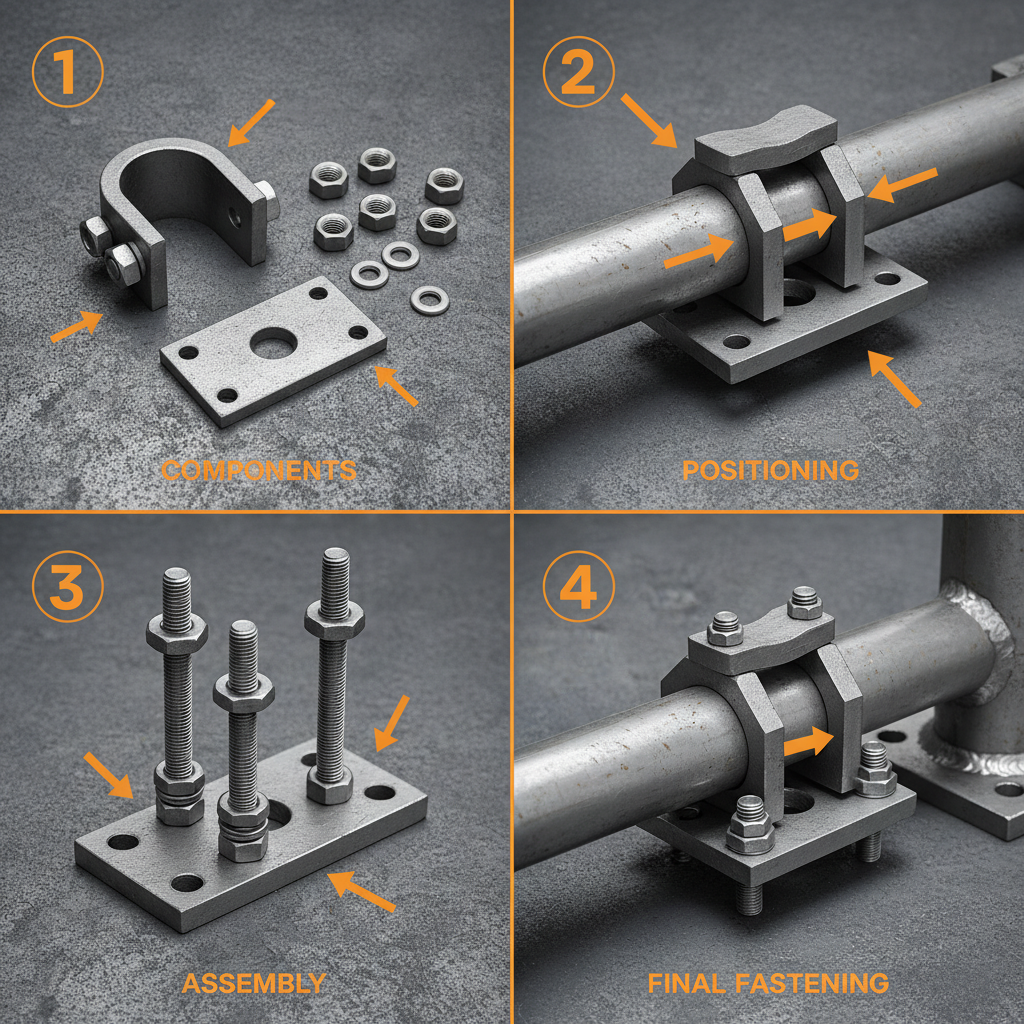
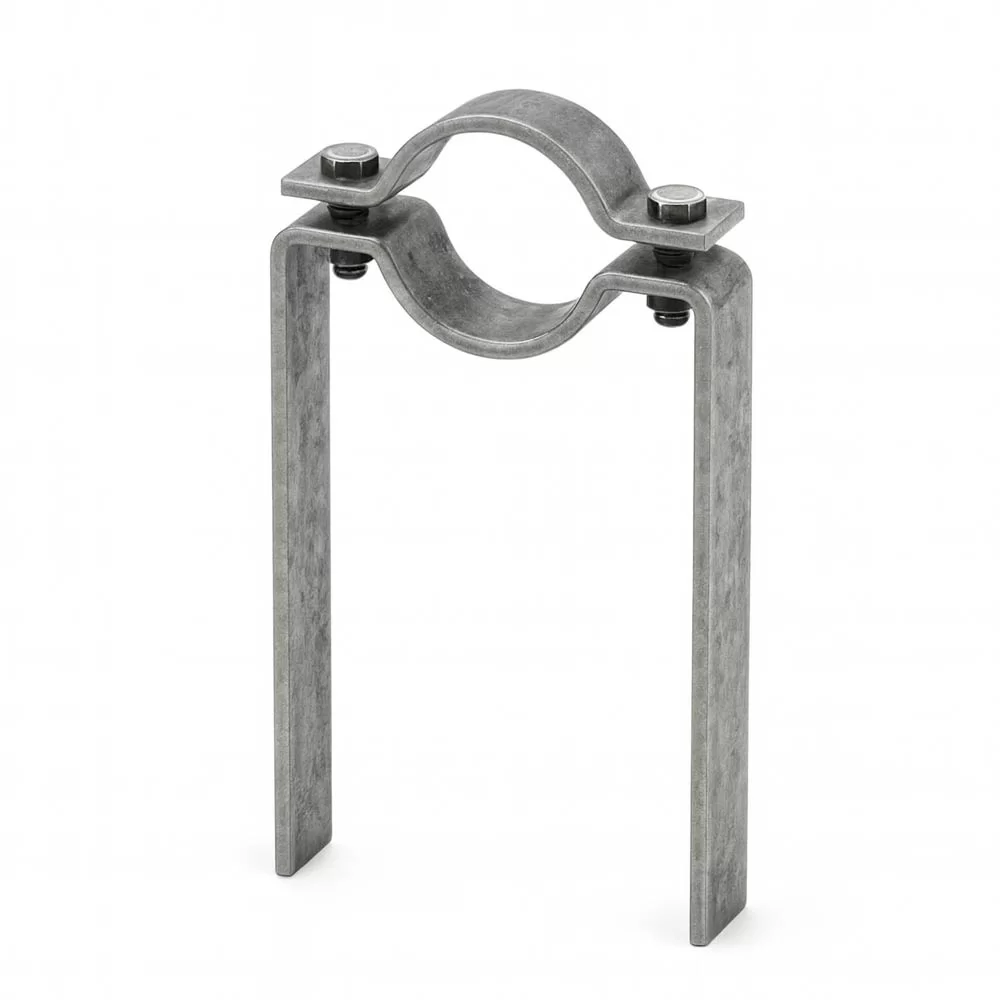
The primary function of a pipe shoe clamp is to elevate the pipe above the supporting structure. This gap is essential for several reasons. First, it allows for insulation thickness; without a shoe, the insulation would be crushed against the support beam, leading to significant heat loss. Second, it provides a stable base that distributes the weight of the pipe and its contents evenly, preventing localized deformation. By utilizing professional clamping systems, engineers can ensure that the piping system remains secure even under extreme vibration or pressure fluctuations.
Pro Tip: Always verify the weight of the fluid-filled pipe before selecting your clamp size to avoid structural overloading and ensure the support shoe can handle the static and dynamic loads.
The environment in which a piping system operates dictates the material required for the pipe shoe clamp. In corrosive marine environments, stainless steel (304 or 316) is the gold standard due to its oxidation resistance. For general industrial use where cost is a factor but strength is required, carbon steel with a galvanized finish is often used. In extreme temperature scenarios, specialty alloys may be employed to prevent material fatigue. Choosing the wrong material can lead to galvanic corrosion, where two dissimilar metals react, potentially compromising the entire support structure over time.
Depending on the project requirements, you may encounter different designs. Some clamps are designed for fixed support, while others allow for sliding movement to accommodate thermal expansion. Below is a detailed specification table to help you distinguish between common industry standards for pipe shoe clamp configurations.
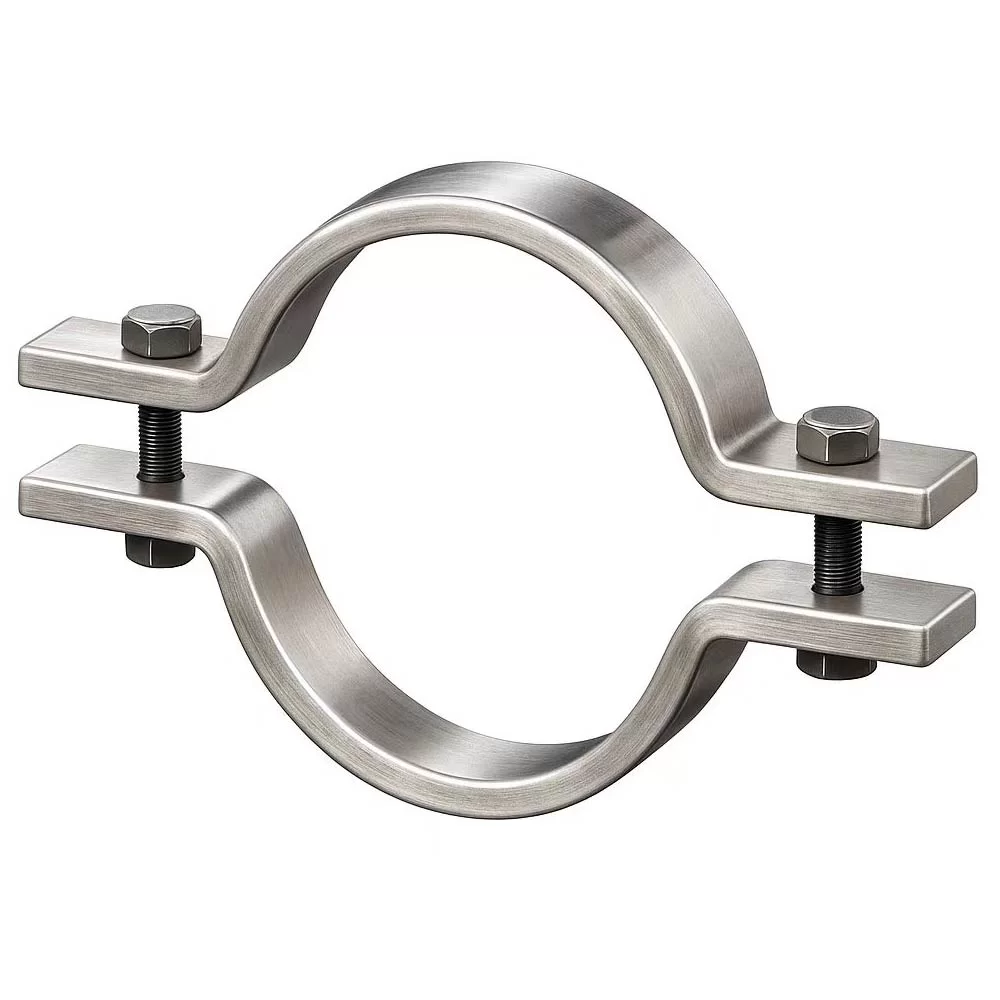
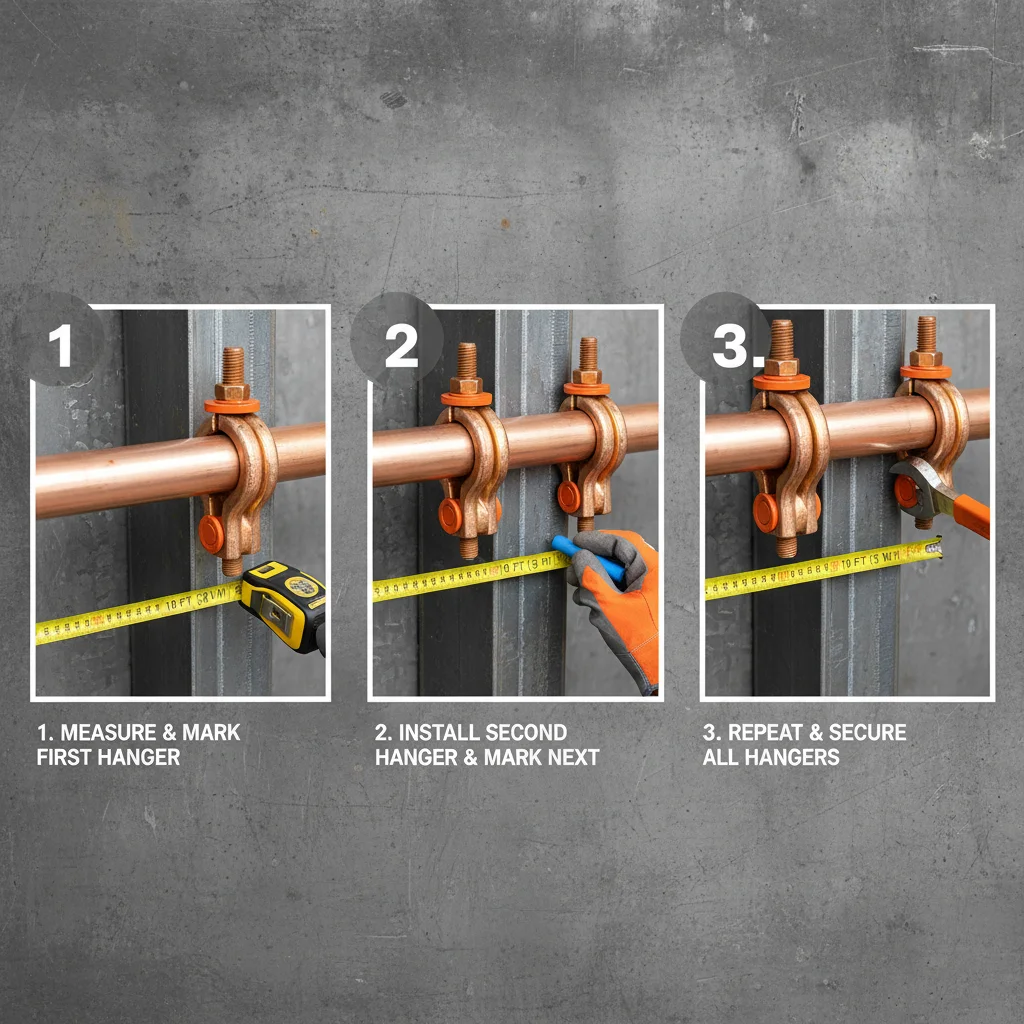
Correct installation is just as important as the quality of the hardware. When installing a pipe shoe clamp, ensure that the clamp is centered on the pipe to avoid asymmetrical loading. Over-tightening bolts can lead to "point loading," which may dent the pipe wall and create a weak spot prone to corrosion. Conversely, under-tightening can lead to slippage and vibration noise. Using a calibrated torque wrench is highly recommended to meet manufacturer specifications and ensure a secure fit without compromising the integrity of the piping.
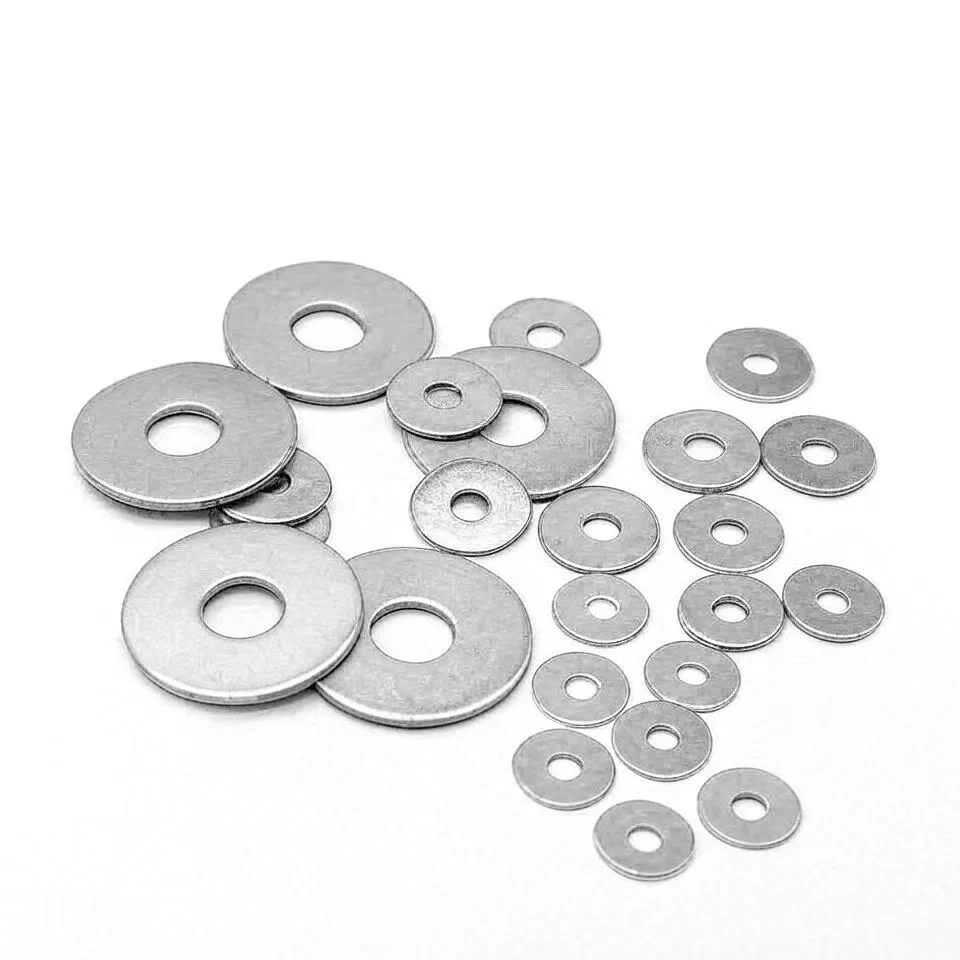
Even the most robust pipe shoe clamp requires periodic inspection. Thermal cycling—the constant expansion and contraction of the pipe—can loosen bolts over time. We recommend a quarterly visual inspection to check for signs of rust, fatigue cracks, or loosening. In high-vibration environments, such as those near pumps or compressors, the inspection interval should be increased. Replacing worn gaskets or washers within the clamp assembly can prevent the "clunking" sound associated with loose supports and protect the pipe from friction wear.
When sourcing industrial fasteners and supports, reliability and certification are key. A reputable supplier provides full material traceability and conforms to international standards (such as ASME or DIN). When looking for a pipe shoe clamp, check if the vendor offers customized dimensions to fit your specific pipe OD (Outer Diameter) and insulation thickness. Partnering with a professional manufacturer ensures that you receive components that are not only strong but also precision-engineered to reduce installation time and maintenance costs.
Choosing the right pipe shoe clamp is a fundamental step in ensuring the safety and longevity of any industrial piping system. From material selection and load calculation to precise installation and regular maintenance, every detail contributes to the overall stability of your plant. By investing in high-quality clamping solutions, you minimize the risk of costly downtime and structural failures. Trust professional-grade hardware to keep your operations running smoothly and safely.
A standard pipe clamp typically holds the pipe directly against a surface or wall. In contrast, a pipe shoe clamp incorporates a "shoe" or base that lifts the pipe off the supporting structure. This elevation is critical for pipes that require thermal insulation; the shoe provides a stable platform for the pipe while allowing the insulation to remain intact without being compressed. Additionally, the shoe design helps in distributing the load over a larger surface area of the support beam, reducing the risk of structural deformation.
Yes, but it depends on the configuration. There are "fixed" shoe clamps and "sliding" shoe clamps. A fixed clamp is designed to anchor the pipe in one position, whereas a sliding shoe clamp allows the pipe to move longitudinally along the support. This is essential for long piping runs where temperature changes cause the metal to expand or contract. Using a sliding pipe shoe clamp prevents the pipe from buckling or putting excessive stress on elbows and valves.
For chemical processing plants, Stainless Steel 316 is generally the best choice. Unlike carbon steel, SS316 contains molybdenum, which provides superior resistance to chlorides and various corrosive chemicals. In environments where extreme acids are present, polymer-coated or specialty alloy clamps may be necessary. It is vital to match the clamp material with the environment to prevent corrosion-induced failure, as the support system is the last line of defense against pipe collapse in the event of a structural shift.
To determine the correct size, you need the Outside Diameter (OD) of the pipe. However, if the pipe is insulated, you must add the thickness of the insulation layer to the pipe OD to find the total diameter that the clamp must encompass. For example, if you have a 4-inch pipe with 2 inches of insulation on all sides, the clamp needs to accommodate a 8-inch total diameter. Always refer to the product specifications on the topfastener website to ensure the clamp matches your specific measurements.
Hit enter to search or ESC to close