
March 10, 2026
Pipeline integrity is paramount in industries like oil & gas, chemical processing, and water distribution. Correctly specifying and implementing pipeline support systems, guided by standards like MSS SP 69, is crucial for safe and reliable operation. This article delves into the complexities of MSS SP 69 hanger spacing, offering a comprehensive guide to ensure your pipeline projects meet industry best practices and regulatory requirements. Proper hanger spacing prevents overstressing the pipeline, minimizes vibration, and extends the lifespan of the entire system. Understanding these principles is essential for engineers, designers, and maintenance professionals.

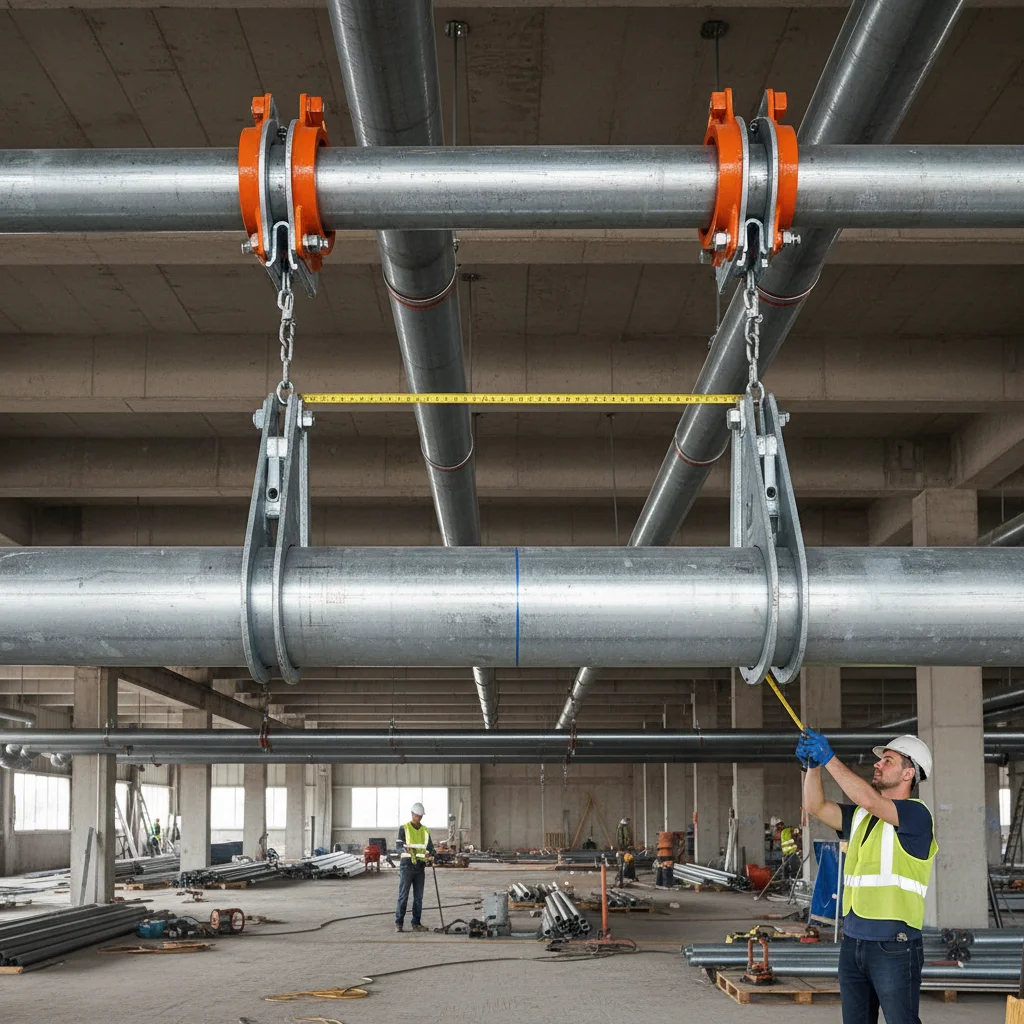
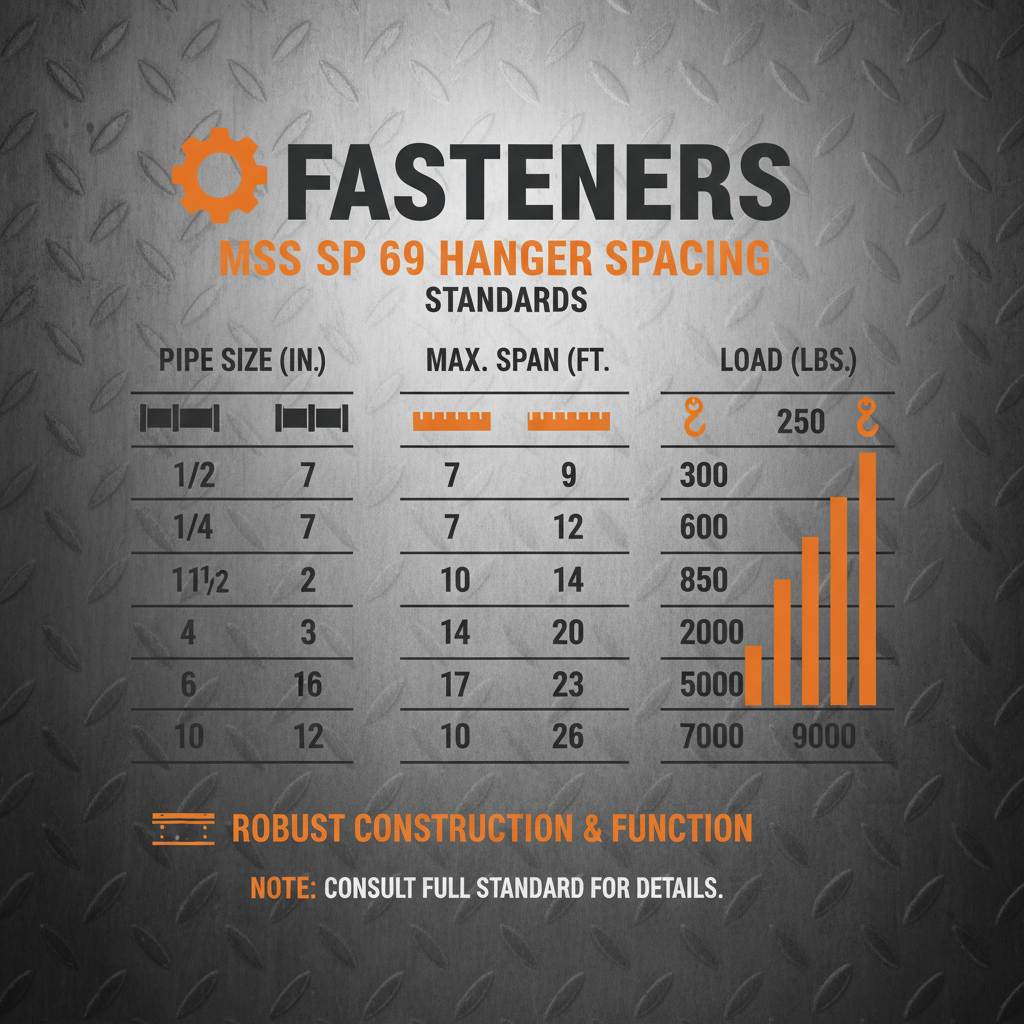
MSS SP 69 is a standard developed by the Manufacturers Standardization Society (MSS) that provides guidelines for the design, fabrication, and installation of pipeline supports. It's not a prescriptive standard, meaning it doesn’t dictate exact specifications, but rather offers a framework for engineers to apply sound engineering judgment. Hanger spacing, a critical aspect covered by MSS SP 69, refers to the distance between support points along a pipeline. Incorrect spacing can lead to excessive stress on the pipe, causing deformation, fatigue, and potential failure. Proper spacing, on the other hand, ensures the pipeline remains within acceptable stress limits, maintaining its structural integrity and preventing costly downtime.
Key Takeaway: MSS SP 69 provides a framework for safe pipeline support design, and correct hanger spacing is a cornerstone of that design, directly impacting pipeline reliability and longevity.
Determining optimal hanger spacing isn't a one-size-fits-all solution. Several factors must be considered: pipe size and weight, operating temperature, fluid flow rate, allowable stress levels, and external loads (wind, seismic activity). Larger diameter pipes and heavier fluids require closer spacing. Higher operating temperatures induce thermal expansion, which needs to be accommodated in the support design. External loads must also be factored into the calculations to ensure the pipeline can withstand dynamic forces. Detailed stress analysis, often performed using specialized software, is essential to accurately determine the appropriate hanger spacing for a given pipeline system. Top Fastener offers a wide range of pipeline support solutions designed to meet MSS SP 69 requirements.
Key Factors Affecting Spacing:
• Pipe Size & Weight
• Operating Temperature
• Fluid Velocity
• Allowable Stress
• External Loads
While MSS SP 69 doesn’t provide specific formulas, it guides engineers to use established stress analysis methods. Common approaches include simple beam theory, finite element analysis (FEA), and specialized pipeline stress analysis software. These methods calculate bending moments and stresses induced by the weight of the pipe, fluid, and any external loads. The calculated stresses are then compared to allowable stress values defined by relevant codes and standards (e.g., ASME B31.3). It’s crucial to consider load combinations – scenarios involving multiple simultaneous loads – to ensure the pipeline can withstand worst-case conditions. Furthermore, thermal expansion loops and expansion joints may be incorporated into the design to reduce stress and accommodate movement.
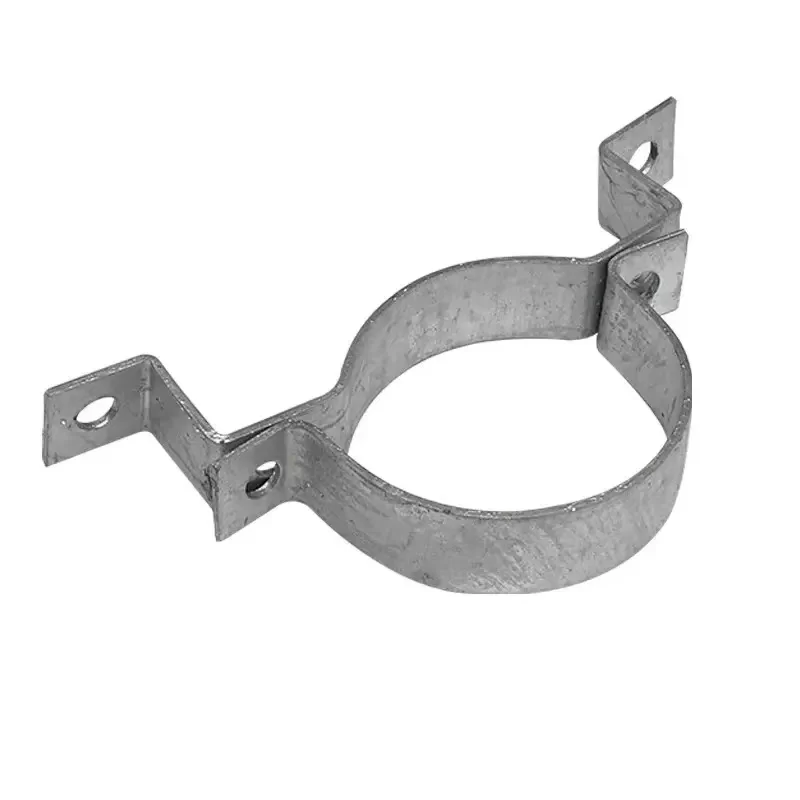
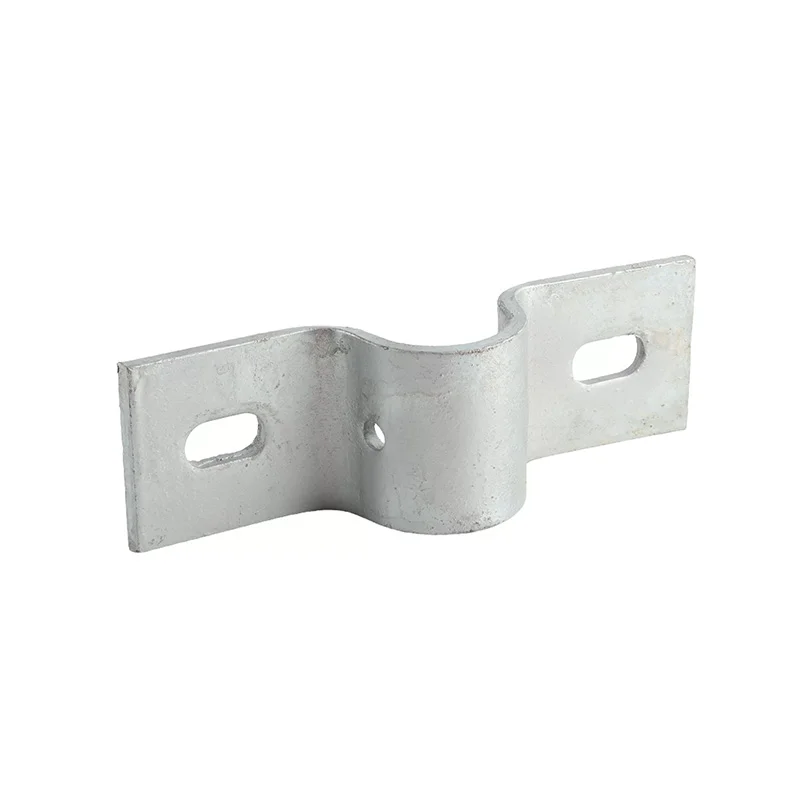
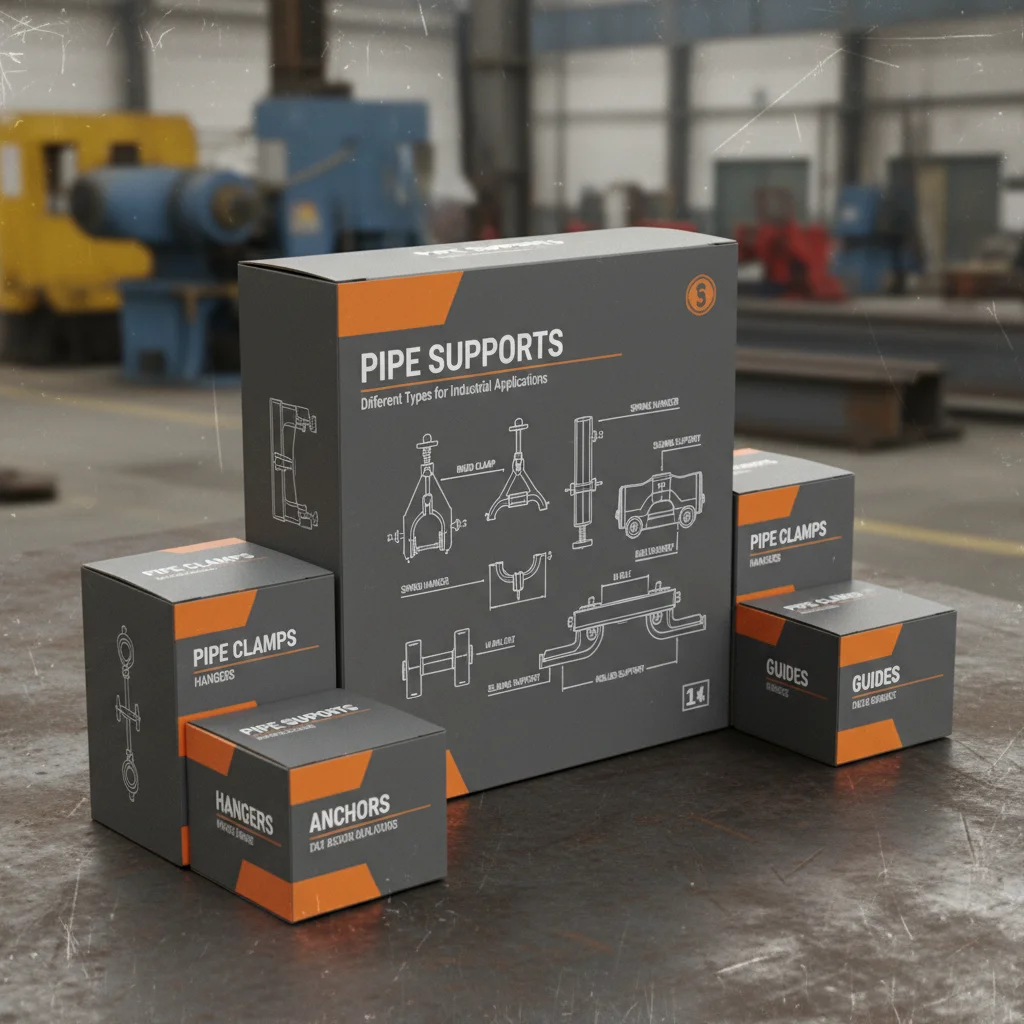
Different types of supports influence hanger spacing. Rigid supports (shoe supports, anchors) restrict movement and are typically used at shorter intervals. Spring supports (spring hangers, spring cans) allow for vertical movement due to thermal expansion while providing support. Rod hangers are used for lighter loads and longer spans. Selecting the appropriate support type and strategically positioning them along the pipeline is critical for maintaining structural integrity. Top Fastener offers a comprehensive range of pipeline supports, including custom-engineered solutions to meet specific project needs.
Adhering to MSS SP 69 requires a systematic approach: perform thorough stress analysis, document all calculations and assumptions, select appropriate support types, and ensure proper installation and inspection. Regular inspections are crucial to identify any signs of degradation or misalignment. All work should be performed by qualified personnel. Staying updated with the latest revisions of MSS SP 69 and relevant industry codes is also essential. Compliance with MSS SP 69 demonstrates a commitment to safety and reliability, minimizing the risk of pipeline failures and protecting personnel and the environment.
Correctly applying MSS SP 69 guidelines, especially concerning hanger spacing, is essential for maintaining the long-term integrity and safety of pipeline systems. By understanding the factors that influence spacing, utilizing appropriate calculation methods, and implementing robust inspection programs, engineers and operators can mitigate risks and ensure reliable performance. Top Fastener is your trusted partner in providing high-quality pipeline support solutions and expert guidance on MSS SP 69 compliance.
There isn't a "typical" hanger spacing, as it's highly project-specific. However, as a general starting point, for a 12-inch carbon steel pipeline, initial spacing might range from 15 to 30 feet, depending on the factors mentioned earlier (temperature, weight, etc.). This is just a preliminary estimate. A detailed stress analysis, adhering to MSS SP 69, is always required to determine the optimal spacing. It’s important to remember that the weight of the fluid within the pipe dramatically influences spacing requirements.
Pipeline supports should be inspected regularly, ideally as part of a comprehensive pipeline integrity management program. Visual inspections should be conducted at least annually, and more frequently in harsh environments. Inspections should focus on identifying signs of corrosion, damage, misalignment, and proper load-bearing capacity. Detailed inspections involving non-destructive testing (NDT) may be required periodically to assess the condition of critical components. Record keeping is essential for tracking inspection results and identifying potential issues.
Yes, MSS SP 69 can be applied to pipelines carrying corrosive fluids, but it requires careful consideration of material selection and corrosion mitigation strategies. The standard itself doesn't specify materials, but you must choose materials compatible with the fluid being transported. Corrosion allowances should be factored into the stress analysis to account for potential wall thinning over time. Regular inspections and corrosion monitoring are crucial for maintaining pipeline integrity in corrosive environments.
Hit enter to search or ESC to close