
March 21, 2026
Ensuring proper plumbing hanger spacing is crucial for the longevity and safety of any plumbing system. Incorrect spacing can lead to stress on pipes, potential leaks, and even system failure. This article will delve into the factors that influence optimal spacing, common codes and regulations, and provide practical guidance for both residential and commercial applications. A well-supported plumbing system minimizes noise, prevents sagging, and ultimately saves money on repairs. We’ll explore how to achieve robust and reliable plumbing installations through correct hanger placement.
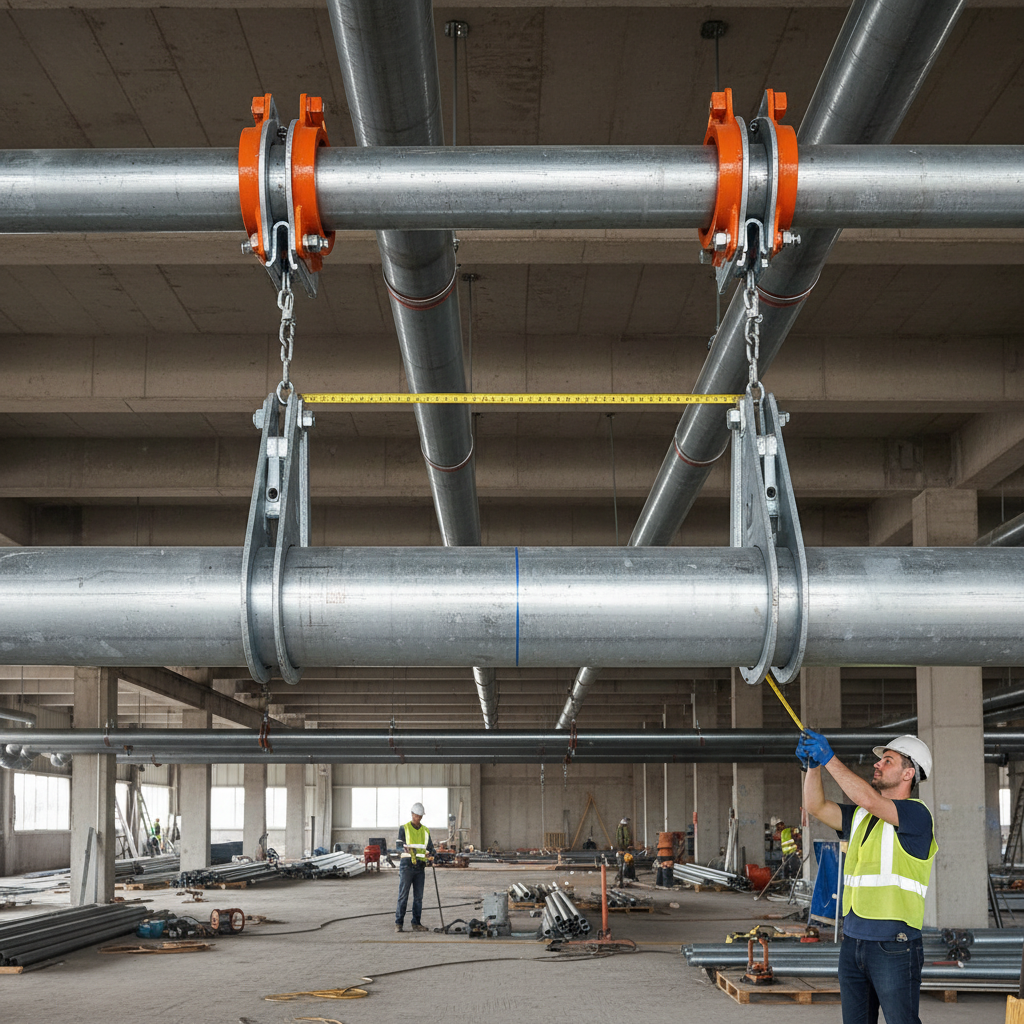
The primary function of plumbing hangers is to support the weight of the pipes and the fluid they contain. Improper spacing puts undue stress on the pipes, joints, and supporting structures. This stress can manifest as pipe sagging, vibration, and ultimately, leaks. Furthermore, insufficient support can lead to noisy plumbing systems due to pipes rattling against framing members. Choosing the right hangers and adhering to recommended spacing guidelines are essential for a quiet, reliable, and long-lasting plumbing installation. Top Fastener offers a comprehensive selection of plumbing hangers to meet a variety of needs.
Key Considerations: Proper spacing mitigates stress, prevents leaks, reduces noise, and ensures system longevity. Selecting the correct hangers is also essential for achieving these benefits.
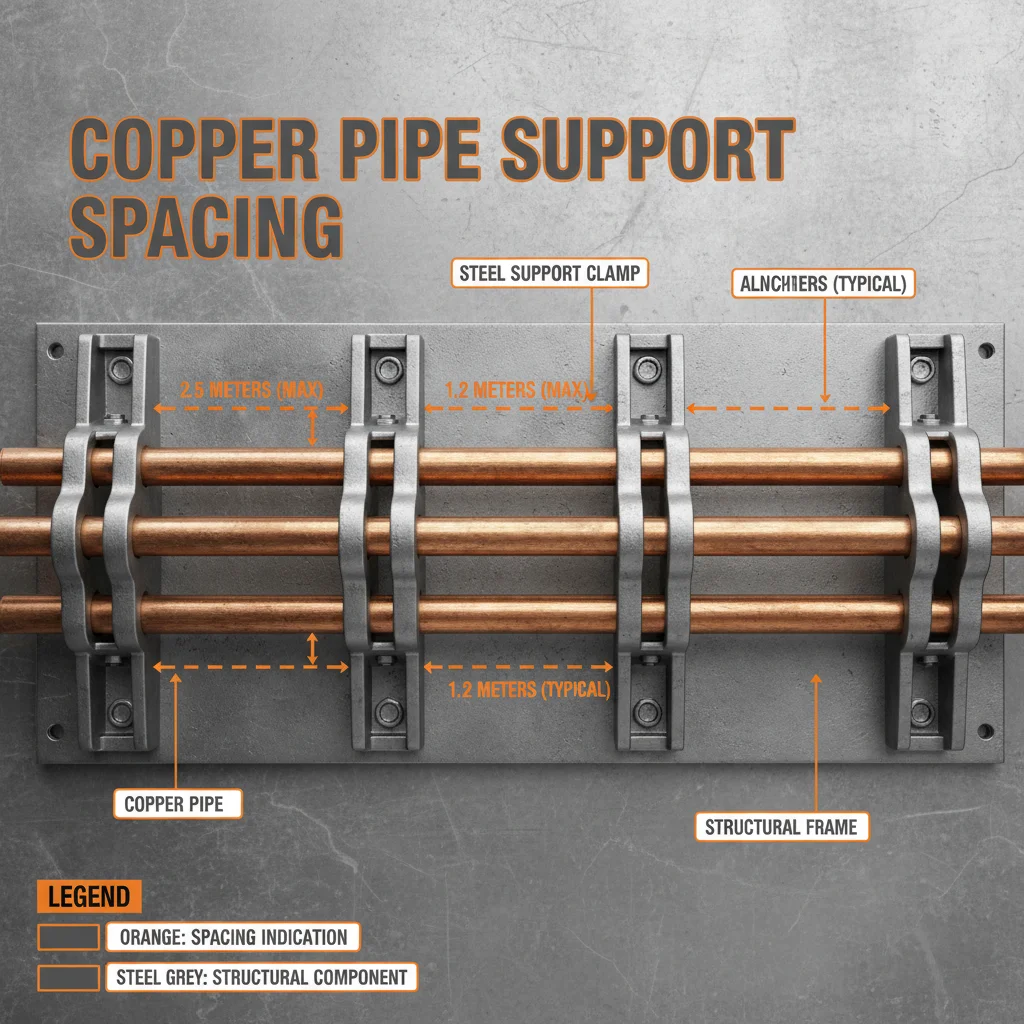
Several factors dictate the optimal spacing between plumbing hangers. The type of pipe material (copper, PVC, PEX, etc.) is a significant consideration, as each material has different weight characteristics and flexibility. The diameter of the pipe also plays a role; larger diameter pipes require closer spacing due to their increased weight. The presence of fixtures (toilets, sinks, showers) necessitates additional support near these points. Finally, local plumbing codes and regulations often specify minimum spacing requirements, which must be followed.
Spacing Influencers:
• Pipe Material (Copper, PVC, PEX)
• Pipe Diameter
• Proximity to Fixtures
• Local Plumbing Codes
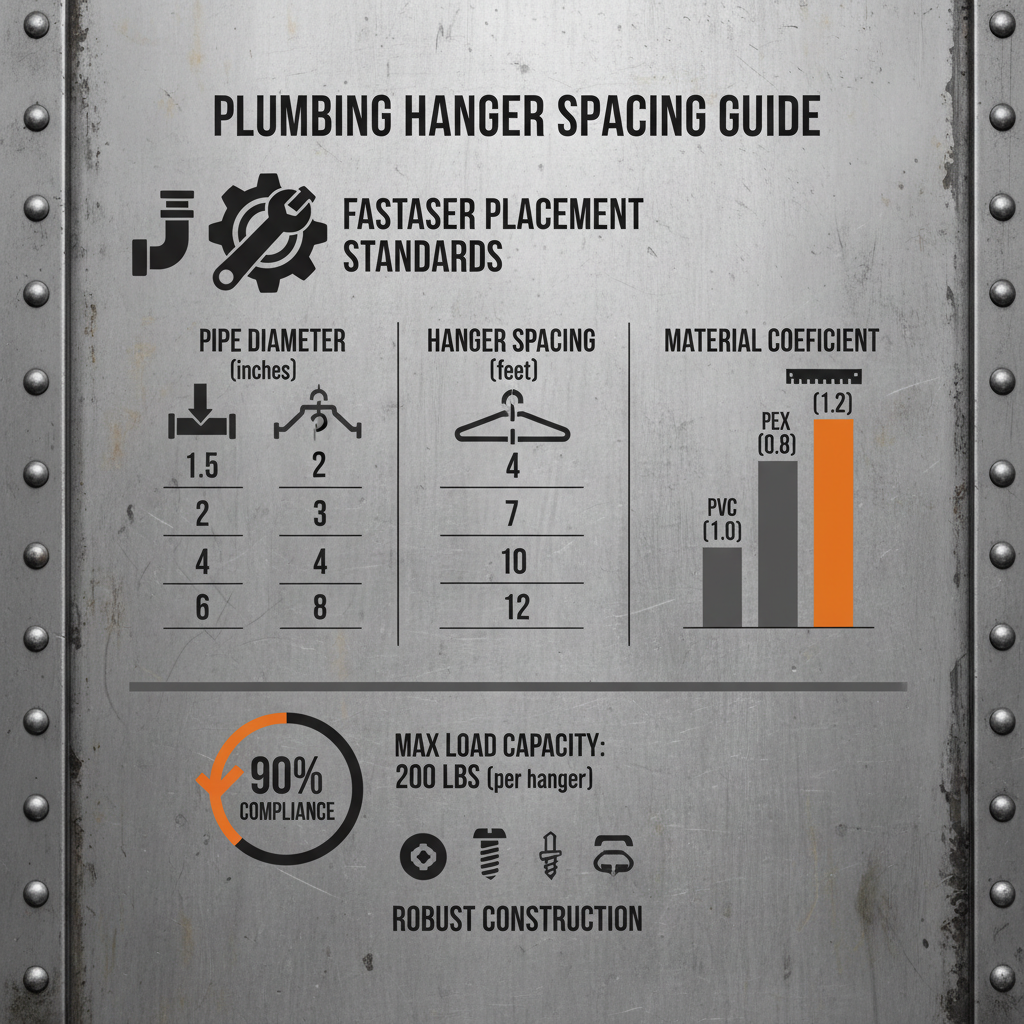
While local codes always take precedence, the following guidelines provide a general framework for plumbing hanger spacing. These distances assume a relatively straight run of pipe with no significant bends or obstructions.
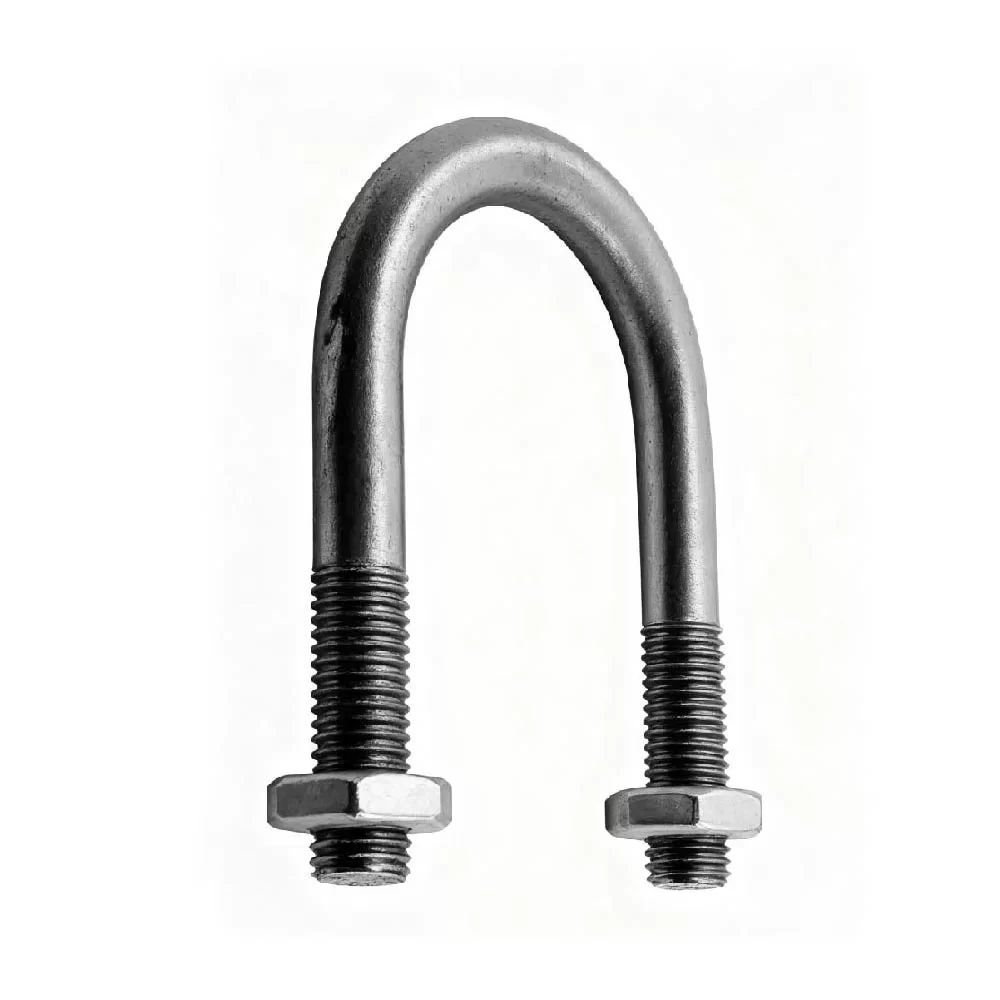
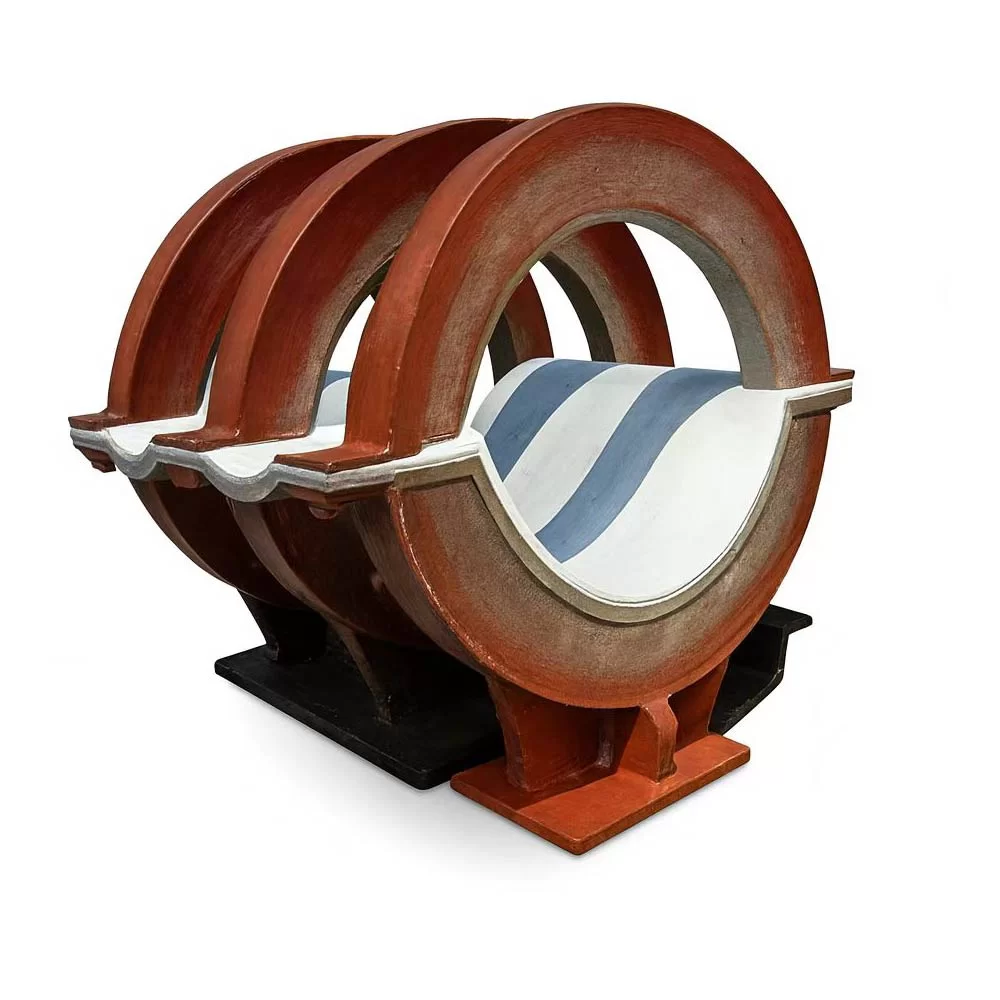
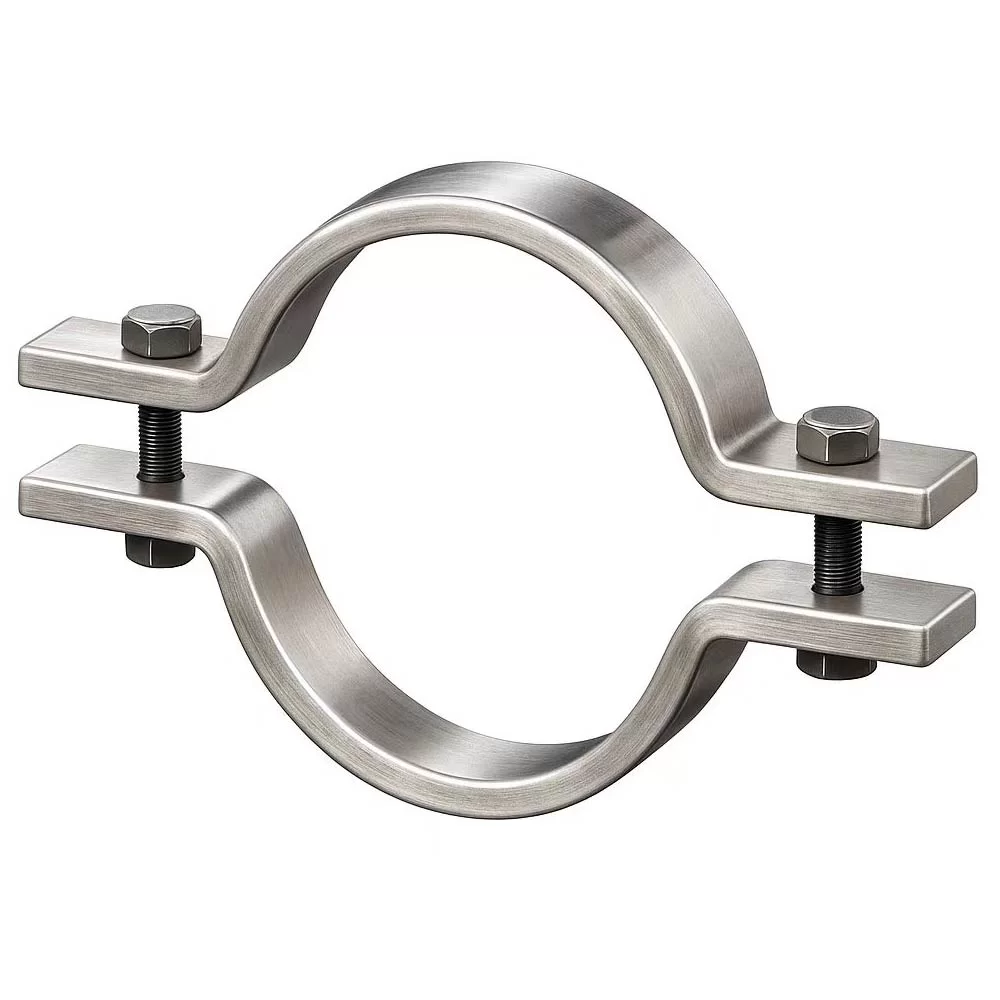
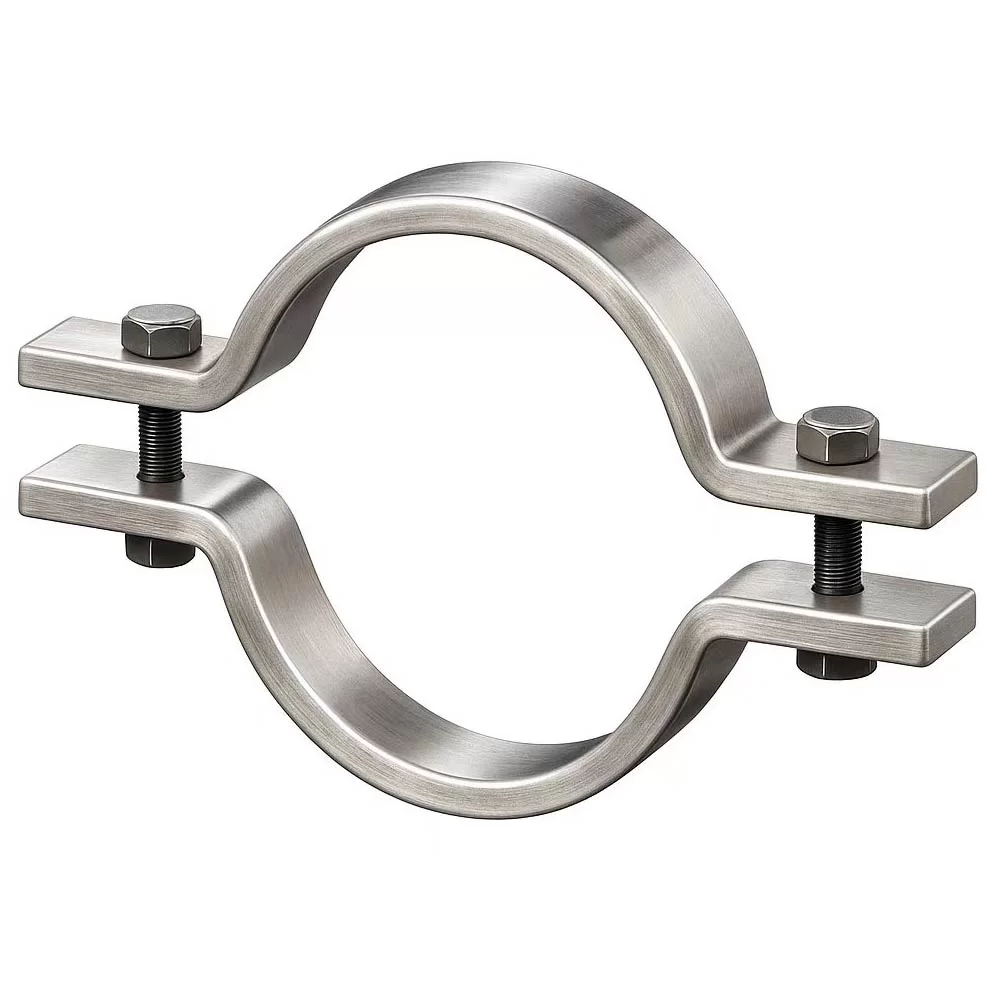
Various types of plumbing hangers are available, each suited for different applications. Common types include clevis hangers, band hangers, U-bolts, and adjustable hangers. Clevis hangers are versatile and suitable for horizontal runs, while band hangers are often used for vertical runs. U-bolts are effective for securing pipes to irregular surfaces. Adjustable hangers allow for fine-tuning of pipe support and are particularly useful in retrofit situations. Choosing the appropriate hanger type, combined with correct spacing, is critical for a robust plumbing installation. Top Fastener provides a wide range of hanger options to suit any need.
Adhering to local plumbing codes and regulations is paramount. These codes typically specify minimum hanger spacing requirements based on pipe material, diameter, and intended use. Failure to comply with these codes can result in failed inspections and costly rework. It’s always best to consult with a licensed plumber or local building inspector to ensure your installation meets all applicable requirements. Top Fastener can help you select hangers that meet or exceed industry standards.
Proper plumbing hanger spacing is a fundamental aspect of any successful plumbing installation. By understanding the factors influencing spacing, adhering to code requirements, and selecting the appropriate hanger types, you can create a system that is both secure and reliable. Investing in quality hangers and proper installation practices will save you time, money, and potential headaches in the long run.
If plumbing hanger spacing is too wide, it creates excessive stress on the pipes, leading to several potential problems. These include pipe sagging, which can restrict water flow, and increased risk of leaks at joints. Additionally, wider spacing can cause pipes to vibrate and make noise as they move against supporting structures. In severe cases, insufficient support can lead to pipe failure. It’s crucial to adhere to recommended spacing guidelines to prevent these issues.
Yes, while some hangers are versatile, using hangers specifically designed for the pipe material is highly recommended. For instance, copper pipe requires hangers with cushioning to prevent corrosion, while PVC and PEX pipes can utilize hangers designed for plastic materials. Different materials have varying weights and expansion/contraction rates, so using the appropriate hanger ensures optimal support and prevents damage. Top Fastener offers a comprehensive selection of pipe hangers designed for various materials.
Pipes expand and contract with temperature changes. To accommodate this movement, it's important to use hangers that allow for some flexibility. Adjustable hangers are particularly useful in this regard. Also, avoid rigidly securing pipes at both ends, as this can create stress when the pipe expands or contracts. Providing expansion loops or offsets in the piping system can also help to mitigate these stresses. Top Fastener can provide guidance on selecting appropriate hangers for systems prone to expansion and contraction.
Common signs of inadequate support include visible pipe sagging, rattling or vibrating pipes, leaks at pipe joints, and noises coming from the plumbing system. If you notice any of these issues, it's important to inspect the hanger spacing and ensure that the pipes are adequately supported. Ignoring these signs can lead to more serious problems and costly repairs.
Hit enter to search or ESC to close