
March 31, 2026
Properly spaced black iron gas pipe hangers are critical for ensuring the safe and reliable operation of gas piping systems. Incorrect spacing can lead to sagging, stress on joints, and potential gas leaks, posing significant hazards. This article will delve into the key considerations for black iron gas pipe hanger spacing, covering code requirements, best practices, and factors influencing optimal support intervals. Choosing the right hangers and adhering to proper spacing guidelines are vital for maintaining system integrity and preventing costly repairs or, more importantly, safety incidents. Top Fastener provides a wide range of high-quality gas pipe hangers and fasteners to meet your specific needs.
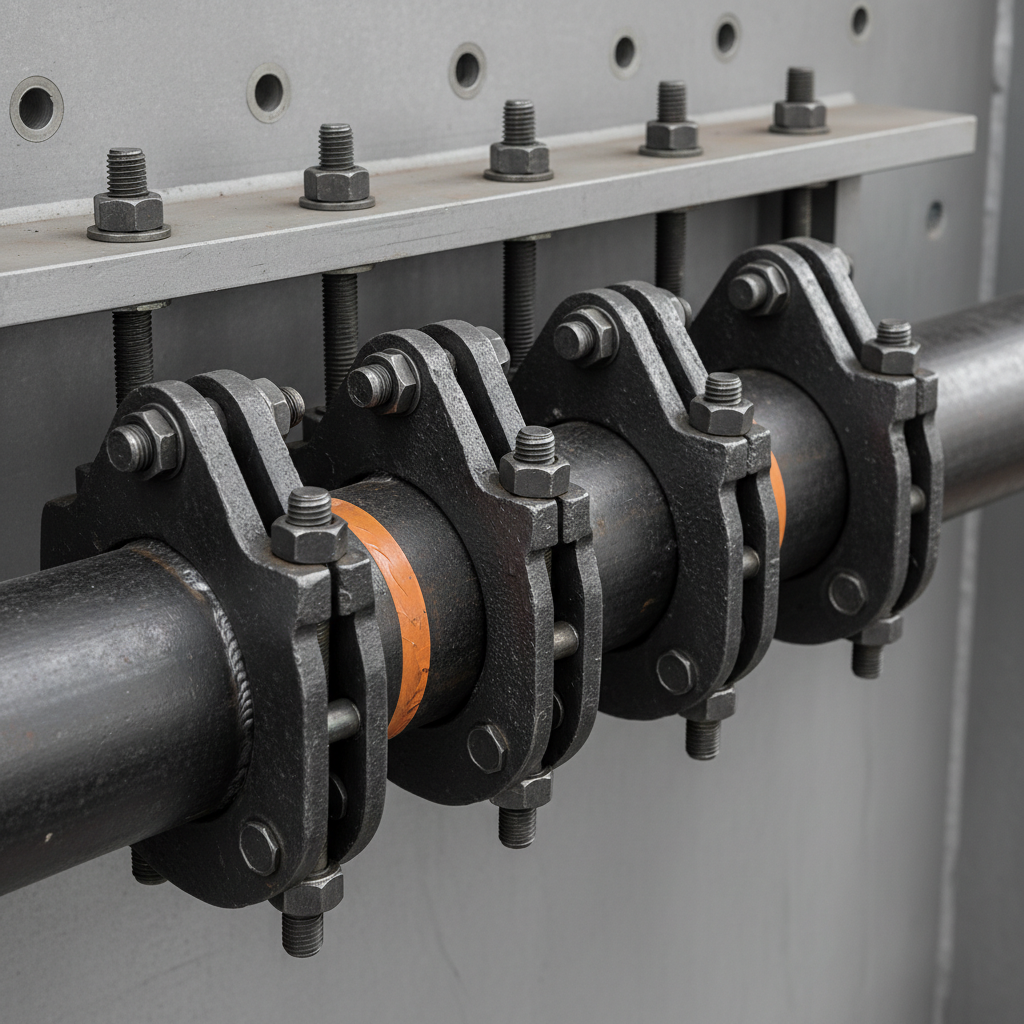
Gas piping installations are subject to strict regulations to ensure public safety. In the United States, the National Fuel Gas Code (NFGC), also known as ANSI Z223.1, dictates the requirements for gas piping systems, including hanger spacing. These codes specify maximum support intervals based on pipe diameter and material. Local jurisdictions may also have additional requirements that supersede the NFGC, so it's crucial to verify compliance with all applicable regulations. Failure to adhere to these codes can result in fines, operational shutdowns, and potential liability.
Key Takeaway: Always consult the latest version of the NFGC and local codes to ensure your gas piping installation meets all applicable safety standards.
Several factors beyond pipe diameter impact the optimal hanger spacing. These include the type of piping material (black iron, copper, plastic), the presence of valves or fittings, and environmental conditions. Heavier pipes, obviously, require closer support intervals. Valves and fittings create stress points and should be directly supported to prevent strain on the piping. In areas prone to vibration or seismic activity, closer spacing and more robust hangers are necessary. Furthermore, consider the potential for future loading, such as the addition of appliances or modifications to the system.
Spacing Influencing Factors:
• Pipe diameter and material
• Presence of valves and fittings
• Environmental conditions (vibration, seismic activity)
• Potential for future loading
As a general guideline, the NFGC specifies maximum support intervals for black iron gas piping. However, these are maximums, and closer spacing is often recommended based on the factors mentioned above. Below is a table summarizing typical spacing requirements. Note that this is not exhaustive and should be supplemented with a thorough review of applicable codes.
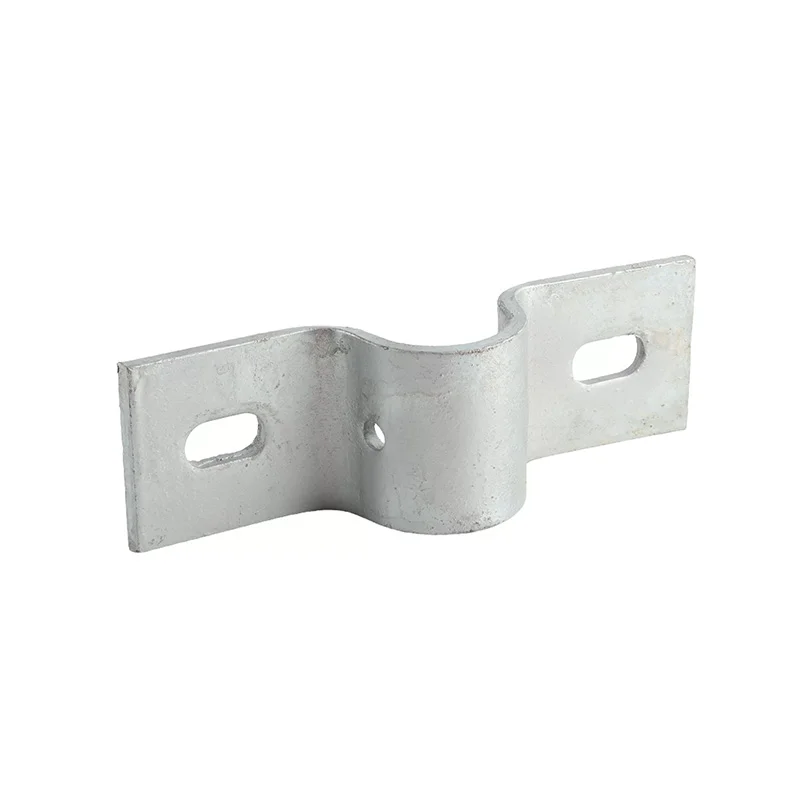
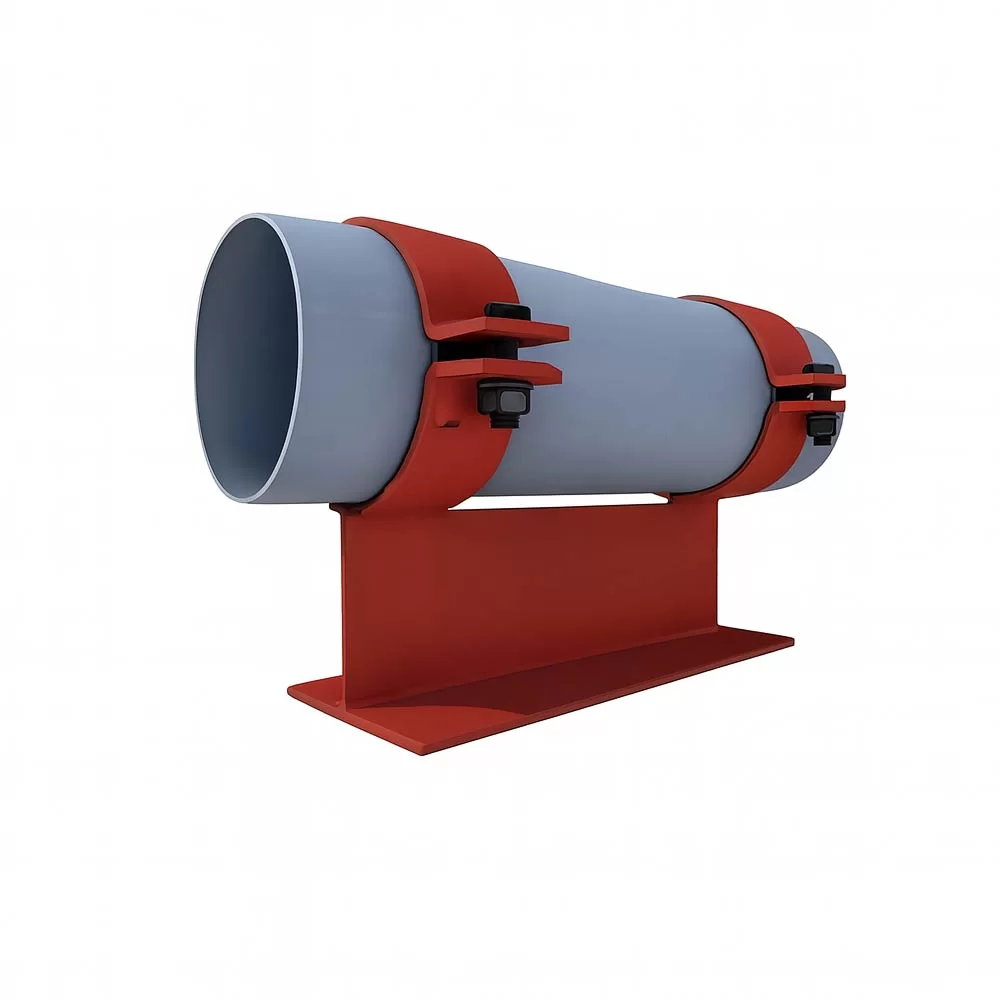
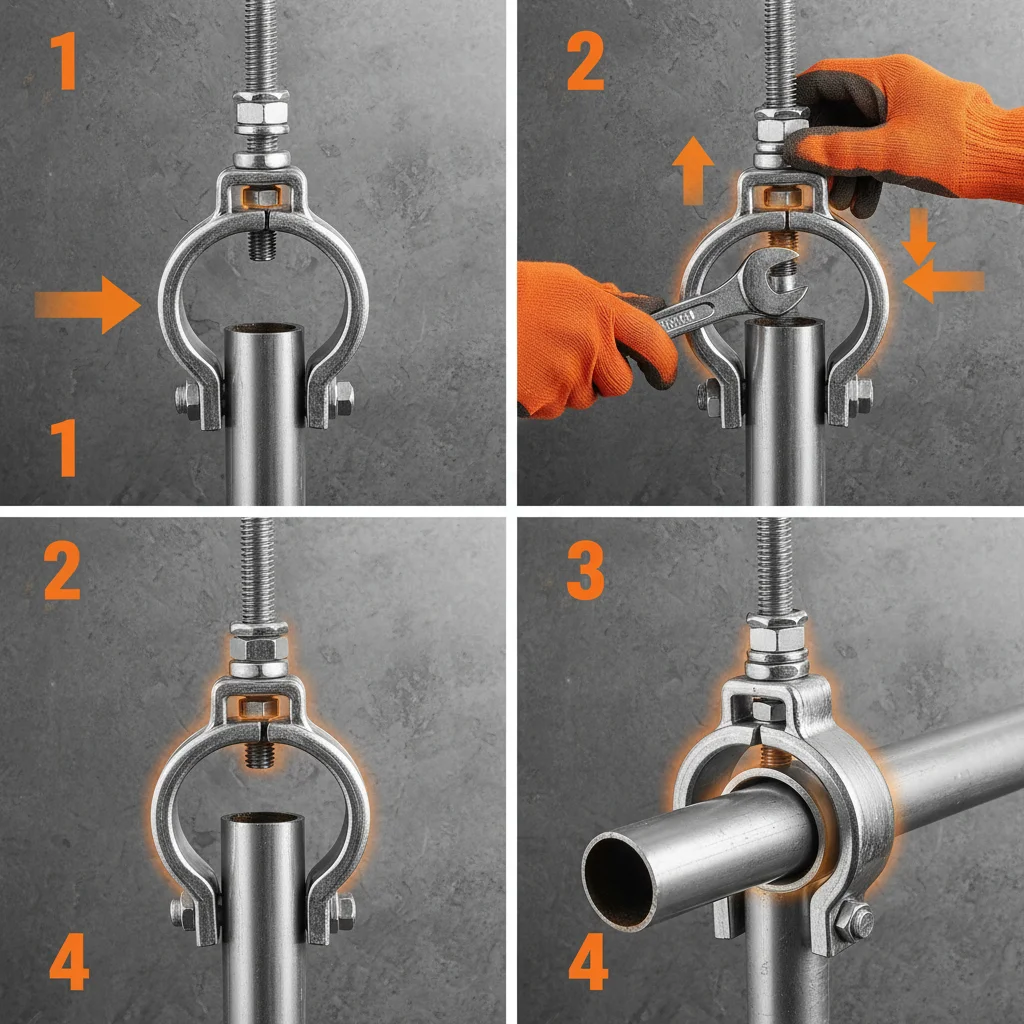
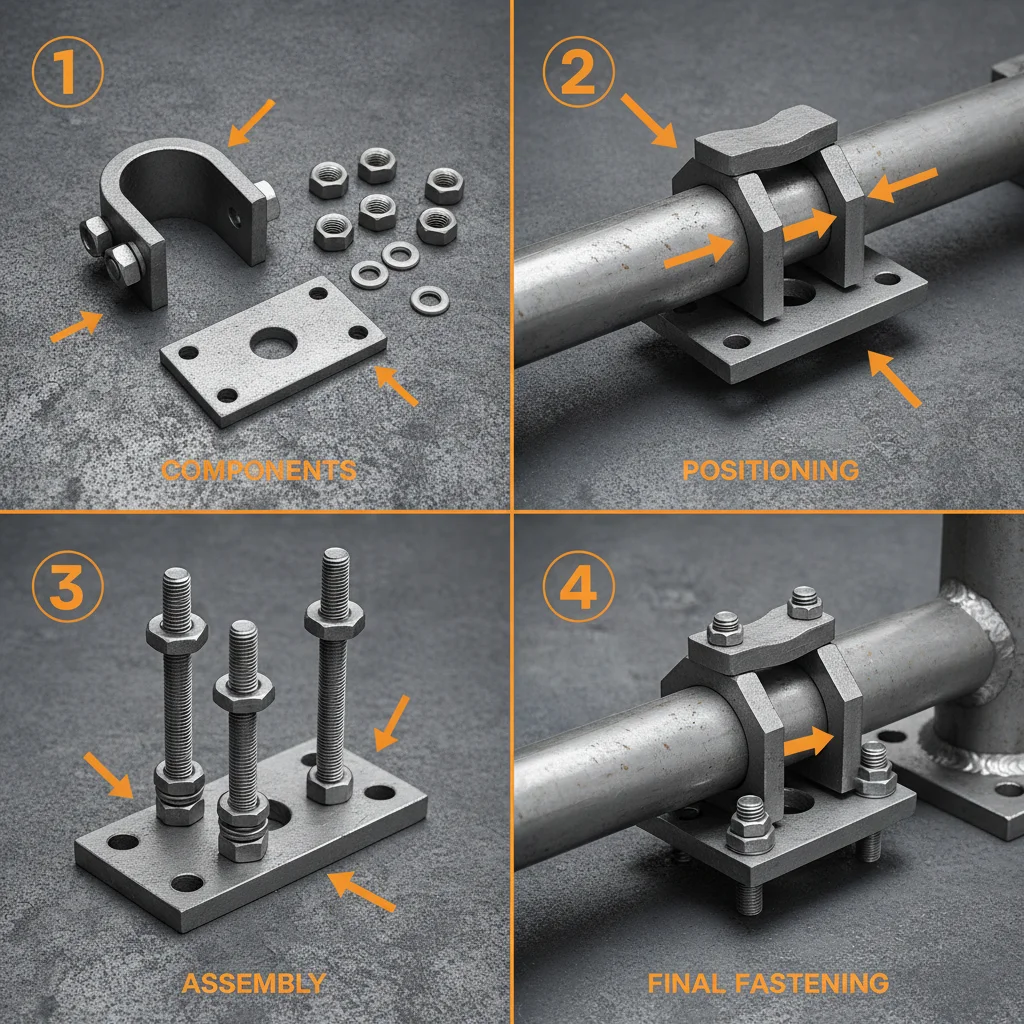
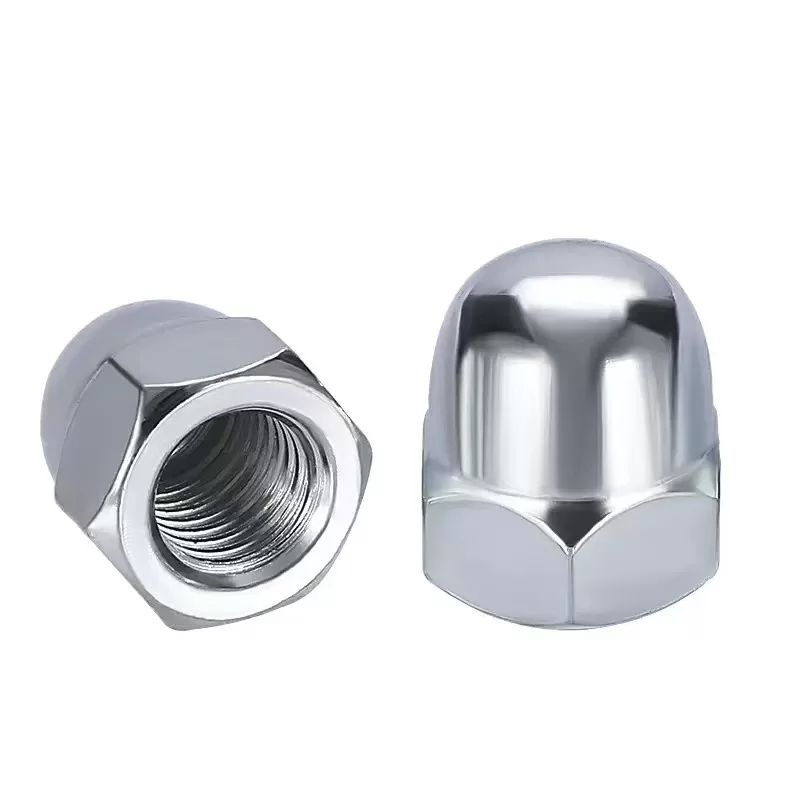
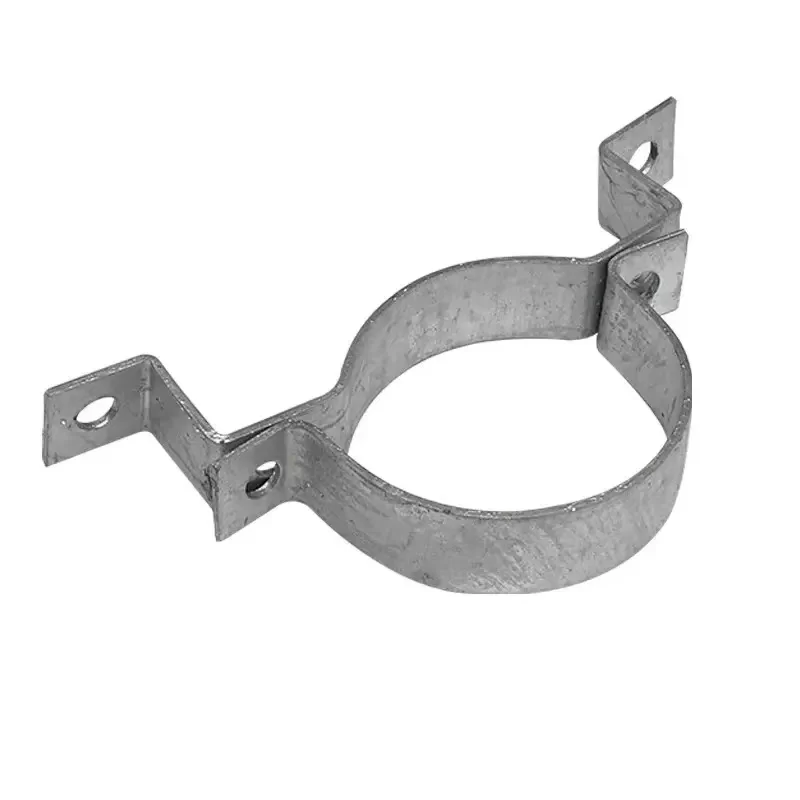
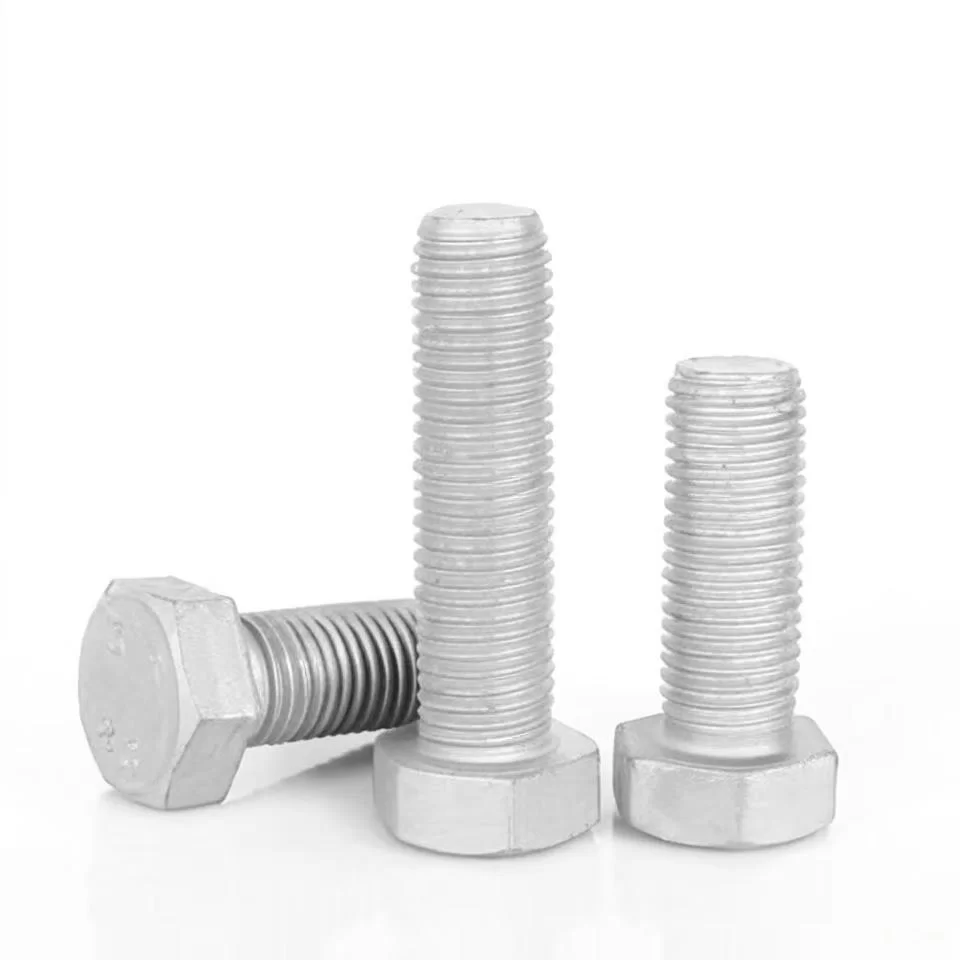
Selecting the appropriate hangers and fasteners is just as important as spacing. Black iron gas pipe hangers should be specifically designed for gas piping and constructed from durable materials that resist corrosion. Common types include screw eyes, U-bolts, and pipe straps. Fasteners must be compatible with the hanger material and the supporting structure. Top Fastener offers a comprehensive selection of hangers and fasteners engineered for gas piping systems, ensuring reliable performance and code compliance.
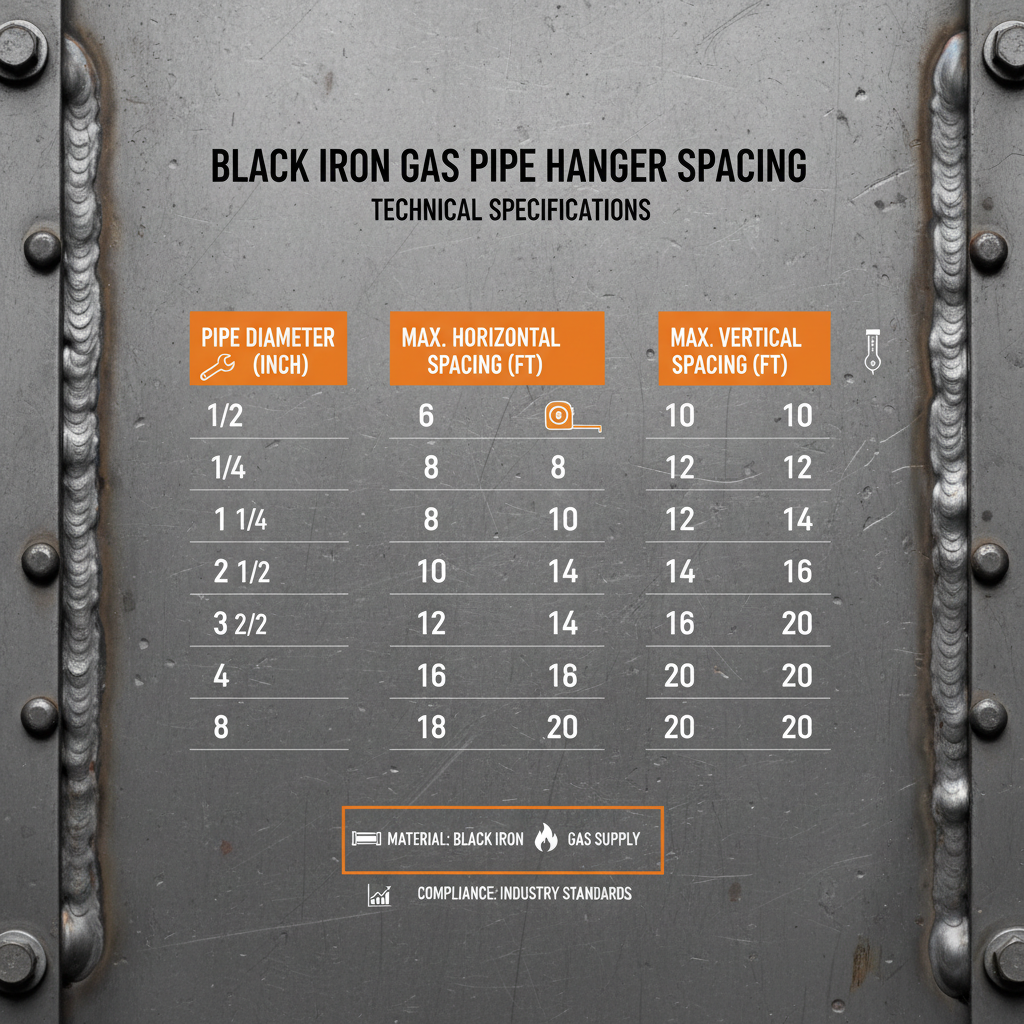
Regular inspection and maintenance are essential for ensuring the continued safety and reliability of gas piping systems. Periodically inspect hangers for corrosion, damage, or loosening. Check for signs of sagging or stress on the piping. Tighten loose fasteners and replace damaged hangers promptly. Document all inspections and maintenance activities. By implementing a proactive inspection and maintenance program, you can identify and address potential problems before they escalate into safety hazards.
Proper black iron gas pipe hanger spacing and support are paramount for maintaining a safe and reliable gas piping system. Adhering to code requirements, considering environmental factors, and utilizing high-quality hangers and fasteners are essential. Regular inspection and maintenance further enhance system integrity. Don't compromise on safety – invest in quality products and proactive maintenance practices.
Spacing gas pipe hangers too far apart can lead to several problems. The pipe may sag over time, putting stress on joints and potentially causing leaks. Excessive sagging can also damage the piping and supporting structure. In areas prone to vibration, inadequate support can amplify these vibrations, further accelerating wear and tear. Ultimately, improper spacing compromises the integrity of the system and creates a safety hazard. Always adhere to the maximum spacing guidelines outlined in the NFGC and consider factors that may warrant closer support intervals.
Generally, wood is not an acceptable material for directly supporting gas piping. Wood is combustible and can deteriorate over time, compromising the safety and reliability of the system. The NFGC specifies that supports must be made of non-combustible materials. Metal hangers and fasteners are the preferred choice for gas piping support. In some limited cases, wood may be used as part of a supporting structure, but it must be adequately protected and meet all applicable code requirements.
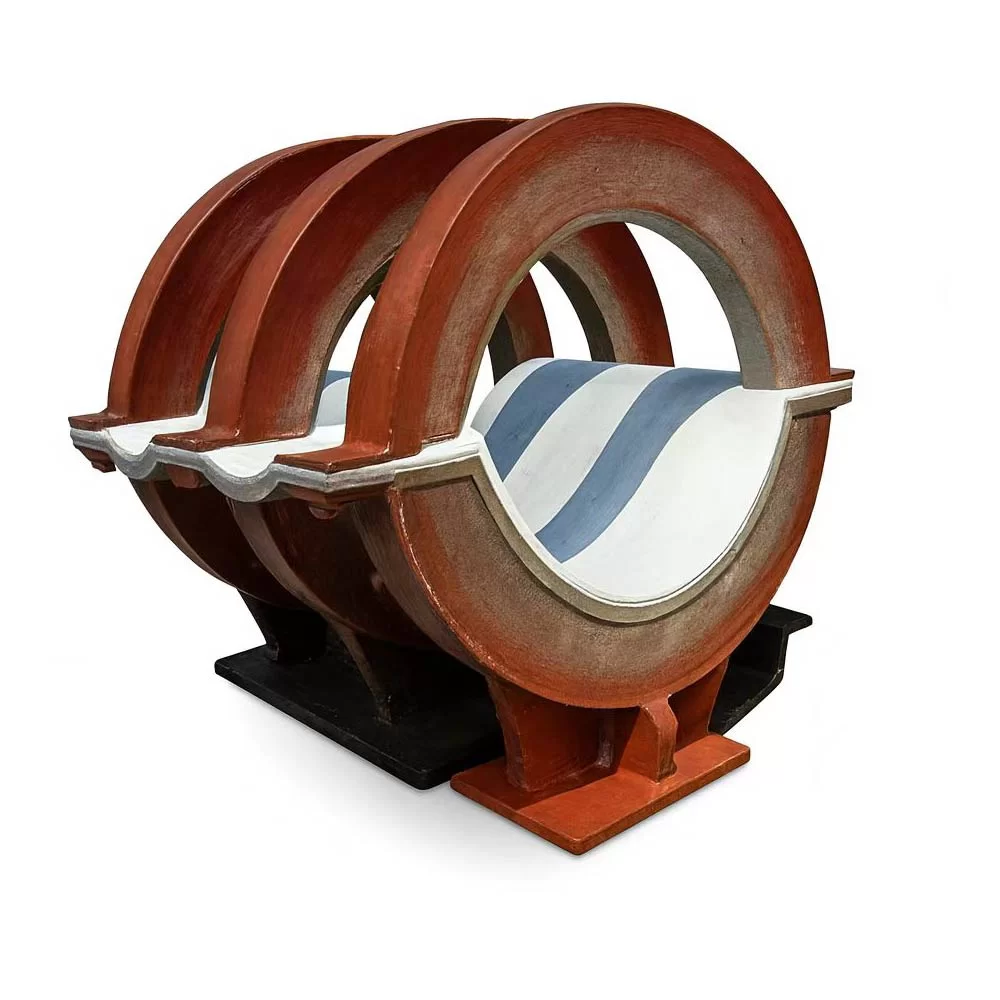
In seismic zones, it's crucial to use hangers designed to withstand earthquake forces. These hangers typically incorporate features such as flexible connections and increased strength. Spring hangers or seismic bracing systems are often recommended. Consult with a qualified engineer to determine the appropriate type of hanger for your specific location and seismic risk level. Top Fastener offers a range of seismic-rated hangers and bracing solutions.
Gas pipe hangers should be inspected at least annually, or more frequently in areas prone to corrosion or seismic activity. During inspection, check for signs of corrosion, damage, loosening, or sagging. Tighten loose fasteners and replace damaged hangers promptly. Document all inspections and maintenance activities. A proactive inspection program is essential for ensuring the continued safety and reliability of your gas piping system.
Hit enter to search or ESC to close


![Chain Link 3″ [2 7/8″ OD] Industrial Gate Box Hinge – Butt Hinge (Pressed Steel)](https://images.cnmqh.com/images/a10068/f1-20260414064622.webp "Chain Link 3″ [2 7/8″ OD] Industrial Gate Box Hinge – Butt Hinge (Pressed Steel)")